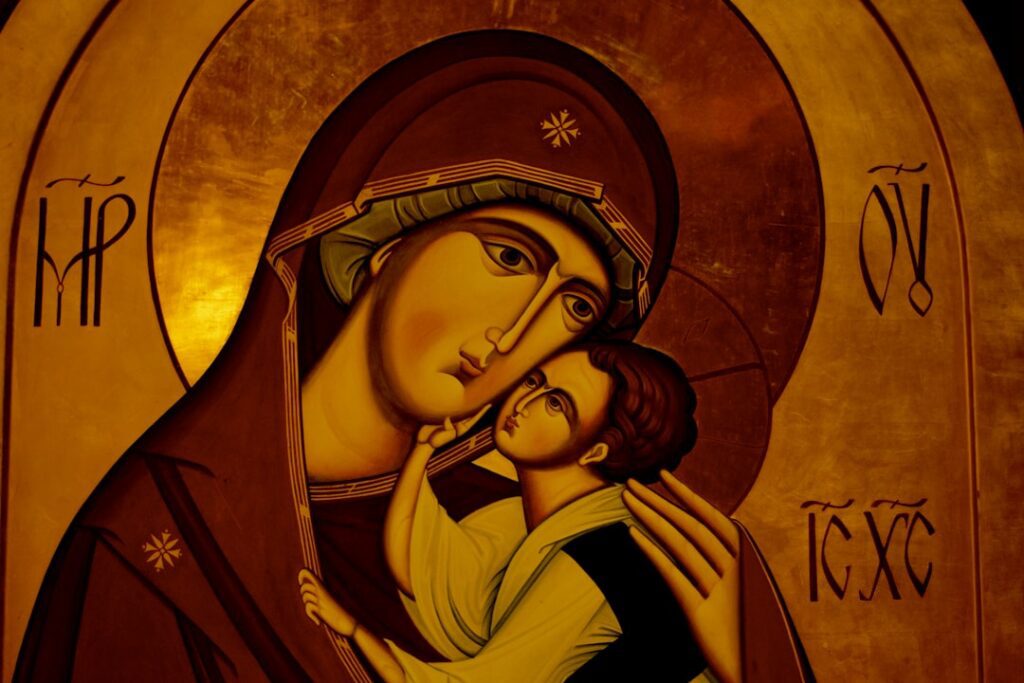
Dead religion is a phenomenon that has plagued spiritual communities throughout history, manifesting as a lifeless adherence to rituals, doctrines, and traditions devoid of genuine connection to the divine. This form of religiosity often prioritizes external observance over internal transformation, leading to a hollow experience that fails to engage the heart and spirit of believers. Individuals caught in the cycle of dead religion may find themselves performing religious duties out of obligation rather than devotion, resulting in a disconnection from the very essence of faith.
The danger lies in the gradual erosion of spiritual vitality, where the initial fervor of belief is replaced by routine and complacency. Moreover, dead religion can create an environment that stifles growth and discourages authentic expression of faith. When communities become fixated on maintaining established norms and practices, they risk alienating those who seek a deeper, more meaningful relationship with the divine.
This rigidity can lead to a culture of judgment and exclusion, where individuals feel pressured to conform to a set of expectations rather than being encouraged to explore their unique spiritual journeys. The result is a landscape marked by spiritual stagnation, where the transformative power of faith is overshadowed by the weight of tradition and the fear of deviation.
Key Takeaways
- Dead religion lacks the life-giving power of the Spirit and can lead to spiritual stagnation.
- The Spirit plays a crucial role in giving life and vitality to our faith, leading to a deeper connection with God.
- Signs of dead religion include a focus on rituals and legalism rather than a genuine, personal relationship with the Spirit.
- Embracing the Spirit’s life-giving power involves letting go of legalistic practices and embracing a more personal, dynamic faith.
- Cultivating a personal relationship with the Spirit leads to a spirit-filled life and nurtures a community of believers led by the Spirit.
The Role of the Spirit in Giving Life
In stark contrast to dead religion, the role of the Spirit is central to fostering a vibrant and dynamic faith experience. The Holy Spirit is often described as the breath of God, infusing believers with life, energy, and purpose. This divine presence empowers individuals to transcend mere ritualistic practice and engage in a transformative relationship with God.
The Spirit acts as a guide, illuminating the path toward deeper understanding and connection, enabling believers to experience the fullness of life that faith promises. Through the Spirit, individuals are invited into a living relationship characterized by intimacy, guidance, and empowerment. The Spirit’s life-giving power is not limited to personal experiences; it also extends to communal worship and fellowship.
When believers gather in the Spirit’s presence, they create an atmosphere ripe for spiritual renewal and growth. This collective experience can lead to profound moments of revelation, healing, and encouragement as individuals share their journeys and testimonies. The Spirit fosters unity among diverse believers, breaking down barriers and creating a sense of belonging that transcends cultural and social differences.
In this way, the Spirit not only breathes life into individual hearts but also cultivates a thriving community rooted in love and mutual support.
Recognizing Signs of Dead Religion

Identifying the signs of dead religion requires discernment and introspection. One prominent indicator is a lack of joy and enthusiasm in spiritual practices. When worship becomes a chore rather than a celebration, it signals a disconnect from the life-giving presence of the Spirit.
Believers may find themselves going through the motions—attending services, reciting prayers, or participating in rituals—without experiencing any sense of fulfillment or connection. This absence of joy can lead to spiritual burnout, where individuals feel drained rather than invigorated by their faith. Another sign of dead religion is an overemphasis on rules and regulations at the expense of grace and compassion.
When communities prioritize adherence to doctrine over love and understanding, they risk creating an environment that feels more like a courtroom than a sanctuary. This legalistic mindset can foster an atmosphere of fear and judgment, where individuals are more concerned about meeting expectations than experiencing genuine transformation. The focus shifts from cultivating a relationship with God to merely checking off boxes on a spiritual checklist, leading to an arid faith experience devoid of true connection.
Embracing the Spirit’s Life-Giving Power
Embracing the Spirit’s life-giving power involves a conscious decision to open oneself to divine influence and guidance. This process begins with surrender—an acknowledgment that human efforts alone cannot produce lasting spiritual vitality. By relinquishing control and inviting the Spirit into every aspect of life, believers can experience profound transformation.
This surrender is not a passive act; it requires active engagement through prayer, meditation, and reflection on Scripture. As individuals cultivate an awareness of the Spirit’s presence, they become more attuned to divine whispers and nudges that guide their decisions and actions. Furthermore, embracing the Spirit’s power means being willing to step outside comfort zones and embrace new experiences.
The Spirit often leads believers into uncharted territory—whether that involves serving others in unexpected ways, engaging in acts of compassion, or exploring new forms of worship. This willingness to follow the Spirit’s lead can result in exhilarating moments of discovery and growth. As believers take risks in their faith journeys, they may find themselves encountering God in ways they never imagined possible, deepening their understanding of His character and love.
Breaking Free from Legalism and Ritual
Breaking free from legalism and ritualistic practices requires intentional effort and a willingness to challenge deeply ingrained beliefs about faith. Legalism often manifests as an obsession with rules—where adherence to doctrine becomes more important than embodying love and grace. To escape this trap, individuals must recognize that true spirituality is not defined by external observance but by an internal relationship with God.
This shift in perspective allows believers to approach their faith with fresh eyes, focusing on cultivating a heart aligned with God’s will rather than merely fulfilling obligations. Rituals can serve as meaningful expressions of faith when infused with intention and authenticity; however, they can also become empty gestures when divorced from genuine connection. To break free from ritualistic patterns, believers are encouraged to infuse their practices with personal significance.
This might involve re-evaluating traditional forms of worship or finding new ways to express devotion that resonate with one’s unique spiritual journey. By prioritizing authenticity over conformity, individuals can rediscover the joy and vibrancy that comes from engaging with their faith on a deeper level.
Cultivating a Personal Relationship with the Spirit

Cultivating a personal relationship with the Spirit is essential for experiencing the fullness of life that faith offers. This relationship begins with intentional communication—prayer becomes a dialogue rather than a monologue, allowing for genuine interaction with God. Through prayerful reflection, individuals can invite the Spirit into their daily lives, seeking guidance for decisions big and small.
This ongoing conversation fosters intimacy and trust, enabling believers to navigate challenges with confidence rooted in divine support. Additionally, cultivating this relationship involves creating space for silence and solitude—moments where individuals can listen for the still small voice of the Spirit amidst life’s noise. In these quiet moments, believers may receive insights or revelations that deepen their understanding of God’s character and purpose for their lives.
Engaging with Scripture also plays a crucial role in this process; as individuals immerse themselves in biblical texts, they open themselves up to the transformative power of God’s Word through the Spirit’s illumination. This dynamic interplay between prayer, reflection, and Scripture creates a rich tapestry of spiritual growth that nurtures a vibrant relationship with God.
The Fruits of a Spirit-Filled Life
A life filled with the Spirit produces tangible fruits that reflect God’s character and love in the world. These fruits—often referred to as the “fruits of the Spirit”—include love, joy, peace, patience, kindness, goodness, faithfulness, gentleness, and self-control (Galatians 5:22-23). Each fruit represents an aspect of God’s nature that believers are called to embody as they navigate their daily lives.
For instance, love manifests as compassion toward others; joy emerges even amidst trials; peace prevails in turbulent circumstances; patience allows for grace in relationships; kindness fosters connection; goodness reflects moral integrity; faithfulness builds trust; gentleness promotes understanding; self-control empowers individuals to resist temptation. The presence of these fruits serves as evidence of the Spirit’s work within believers’ lives—a testament to their ongoing transformation into Christlikeness. As individuals cultivate their relationship with the Spirit, they become conduits through which God’s love flows into their communities.
This outward expression not only enriches personal lives but also impacts those around them—creating ripples of hope and encouragement in a world often marked by despair.
Nurturing a Community of Spirit-Led Believers
Nurturing a community of spirit-led believers requires intentionality and commitment from all members involved. Such communities thrive on mutual support, encouragement, and accountability as individuals seek to grow together in their faith journeys. Creating spaces for open dialogue allows members to share their experiences with the Spirit—testimonies that inspire others while fostering deeper connections among participants.
Regular gatherings for worship, prayer meetings, or small group discussions provide opportunities for collective engagement with God’s presence. Moreover, fostering an environment where diversity is celebrated enhances community life significantly. When believers from various backgrounds come together under the guidance of the Spirit, they enrich one another’s perspectives and experiences.
This diversity not only reflects God’s creativity but also serves as a powerful witness to the world about His inclusive love. By prioritizing unity amidst diversity—encouraging collaboration rather than competition—communities can become vibrant expressions of God’s kingdom on earth. In conclusion, addressing dead religion involves recognizing its signs while embracing the transformative power of the Holy Spirit.
By cultivating personal relationships with God through prayerful engagement and nurturing spirit-led communities characterized by love and support, believers can experience authentic faith that breathes life into every aspect of their lives. The journey toward spiritual vitality is ongoing—a dynamic interplay between individual surrender and communal encouragement that ultimately leads to flourishing lives filled with purpose and joy.