The Garden vs. The Pyramid: A Christian Perspective on Societal Transformation
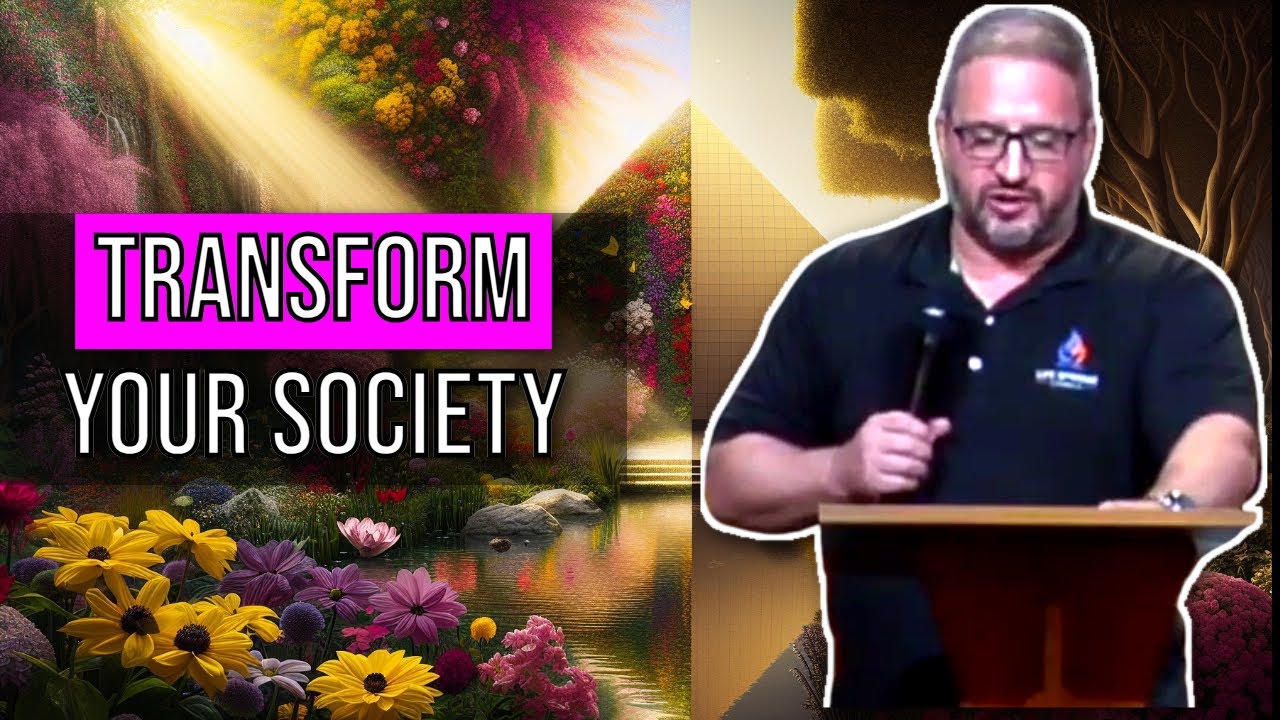
In this insightful message, Pastor Brannan delves into the contrasting models of society represented by the ‘Garden’ and the ‘Pyramid.’ Through a biblical lens, he explores how Christians can cultivate a mindset rooted in love, wisdom, and human dignity to overcome evil with good, challenging the prevailing hierarchies that often lead to fear and dehumanization.
Intro
In today’s world, discussions about faith, culture, and societal structures are more relevant than ever. The contrasting symbols of the ‘Garden’ and the ‘Pyramid’ serve as potent metaphors for understanding the dynamics at play in our communities. The Garden represents growth, nurturing, and flourishing, while the Pyramid symbolizes hierarchy, control, and oppression. As we navigate through these themes, we’ll explore how the principles of Christianity can guide us in overcoming evil with good, embracing our responsibility to cultivate a society that reflects love and dignity.
Can the Blind Lead the Blind?
The question, “Can the blind lead the blind?” is profound and essential in our quest for truth and understanding. It reflects the dangers of following those who lack insight and awareness. In a spiritual context, it challenges us to consider whether we, as believers, are truly seeing the world through the lens of Christ. If we are blind to our own shortcomings, how can we guide others towards truth and healing?
Jesus’ words in Luke 6:39-42 remind us that we must first address our own faults before attempting to help others. This principle is crucial as we engage with a world filled with pain and confusion. The responsibility lies with us to seek clarity, wisdom, and humility, ensuring that our actions and guidance are rooted in love and understanding.

Photo by Wade Lambert on Unsplash
Idolatry vs Islam: Understanding the Issue
At the heart of many conflicts lies the issue of idolatry. Idolatry is not limited to the worship of physical statues or deities; it encompasses any belief system that distorts the truth about God. In contemporary discussions, particularly regarding Islam, it’s essential to differentiate between the actions of individuals and the core tenets of faith.
When we address the violence and persecution associated with certain interpretations of Islam, we must recognize that these actions stem from a misunderstanding of God’s nature. True worship should lead to love, peace, and dignity for all people. The challenge for Christians is to respond to these issues with a heart of compassion, seeking to bring healing rather than condemnation.

Photo by Sebastian Bill on Unsplash
The Fear of the Lord Explained
The fear of the Lord is often misunderstood, conflated with terror or dread. However, it signifies a deep respect and awe for God’s majesty and authority. This reverent fear cultivates humility and a desire to align ourselves with God’s will. It’s a recognition that our existence relies on His grace and mercy.
Understanding the fear of the Lord involves acknowledging His greatness and allowing that realization to shape our actions and attitudes. As we embrace this truth, we become more receptive to wisdom and guidance, enabling us to navigate life’s complexities with grace and discernment.

Overcoming Evil with Good: A Christian Perspective
Romans 12:21 instructs us not to be overcome by evil but to overcome evil with good. This powerful directive challenges us to respond to negativity and hostility with love and kindness. It’s a call to action, urging us to be agents of change in a world often characterized by division and strife.
To embody this principle, we must cultivate a heart of compassion and a willingness to serve others. By actively engaging in acts of kindness, we can counter the pervasive darkness that threatens to engulf our communities. This approach not only transforms our hearts but also influences those around us, creating a ripple effect of goodness.

Photo by Timothy Dykes on Unsplash
The Pyramid vs The Garden: Symbolism in Faith
The symbolism of the Pyramid and the Garden is a profound representation of two contrasting worldviews. The Pyramid, with its rigid hierarchy, often stifles creativity and growth, leading to oppression and despair. In contrast, the Garden embodies life, growth, and flourishing, reflecting God’s original intent for humanity.
As Christians, we are called to cultivate the Garden, nurturing relationships, fostering community, and promoting human dignity. This requires a shift in mindset from one of dominance to one of service, where every individual is valued and empowered to contribute to the collective good.

Classical Christian Church Movement Overview
The Classical Christian Church Movement seeks to reclaim the depth and richness of Christian education and community life. It emphasizes the importance of critical thinking, moral formation, and a robust understanding of faith that transcends mere indoctrination. By grounding ourselves in the historical teachings of the Church, we can cultivate a vibrant faith that engages with contemporary issues.
This movement advocates for a return to the principles of wisdom, where education is seen as a means to develop virtuous individuals equipped to navigate the complexities of life. By fostering a culture of inquiry and dialogue, we can empower the next generation to embody the love and truth of Christ in their interactions with the world.

Photo by Kristijan Arsov on Unsplash
Classical Christian Education Movement Insights
The Classical Christian Education Movement emphasizes the importance of developing the full potential of individuals. This approach focuses on nurturing the image of God in humanity, striving for human flourishing through the pursuit of goodness, truth, and beauty. By integrating classical liberal arts, the movement aims to equip students with the skills necessary for critical thinking and moral reasoning.
However, there is a challenge. Many institutions still operate under the pyramid model, which often stifles genuine growth and creativity. A significant shift is necessary to ensure that the goals of education align with the fundamental principles of the Garden, where individuals are free to explore, question, and develop authentically.

Photo by Luca Pennacchioni on Unsplash
Key Objectives of Classical Education
- Critical Thinking: Encouraging students to think deeply and independently.
- Moral Formation: Instilling values that promote integrity and compassion.
- Historical Understanding: Grounding education in the rich traditions of the Church.
- Human Flourishing: Fostering environments where individuals can thrive holistically.

Photo by Tingey Injury Law Firm on Unsplash
The Church of Jesus Christ: Beliefs and Practices
The Church of Jesus Christ embodies a set of beliefs and practices that emphasize community, love, and spiritual growth. Central to its mission is the understanding that faith is not merely an individual endeavor; it is a collective journey toward Christ-likeness. This communal aspect reflects the Garden model, where relationships are nurtured, and individuals are encouraged to support one another in their spiritual growth.
Practices within the Church, such as fellowship, prayer, and service, serve to strengthen these relationships. They facilitate an environment where believers can express their faith authentically, fostering a sense of belonging and purpose.

Photo by Edwin Andrade on Unsplash
Core Beliefs
- Love and Grace: Emphasizing God’s unconditional love and grace towards humanity.
- Community: Valuing the importance of fellowship and collective worship.
- Service: Encouraging acts of kindness and service as expressions of faith.
- Discipleship: Committing to spiritual growth and mentoring within the community.

Photo by Keagan Henman on Unsplash
The Pyramid: Meaning and Significance
The Pyramid serves as a powerful metaphor for hierarchical structures that often lead to oppression and control. It represents a system where power is concentrated at the top, resulting in dehumanization and the stifling of creativity. In contrast, the Garden symbolizes a community where every individual is valued, and contributions are recognized regardless of status.
Understanding the implications of living under the Pyramid is essential for believers. It challenges us to evaluate our own practices and institutions critically. Are we building systems that empower individuals, or are we perpetuating a cycle of control and fear?

Photo by Kévin et Laurianne Langlais on Unsplash
Characteristics of the Pyramid
- Control: Emphasis on authority and conformity over freedom and creativity.
- Dehumanization: Reducing individuals to mere cogs in a machine.
- Fear-based Leadership: Leading through intimidation rather than inspiration.
- Limited Perspective: Narrow focus that discourages diverse viewpoints.

Photo by Arnepi Stocker on Unsplash
The Church, the Pyramid, and the Garden: Interconnections
The relationship between the Church, the Pyramid, and the Garden is complex. The Church is called to reflect the values of the Garden, promoting love, community, and growth. However, historical practices often mirror the oppressive structures of the Pyramid. This disconnection can lead to disillusionment and hinder the Church’s mission.
To foster a true Garden environment, the Church must consciously reject Pyramid-like practices. This involves embracing a model of governance that prioritizes relationships and community over control and hierarchy.

Photo by Annie Spratt on Unsplash
Steps Toward a Garden Model
- Embrace Servant Leadership: Leaders should prioritize the needs of their community over their own authority.
- Encourage Open Dialogue: Create spaces for diverse opinions and discussions.
- Foster Inclusivity: Ensure that all voices are heard and valued within the Church.
- Promote Spiritual Growth: Focus on the holistic development of every member.

Photo by Nick Fewings on Unsplash
People Over Things: Valuing Relationships
At the heart of the Christian message is the affirmation that people are more important than things. This principle challenges the Pyramid mentality, which often prioritizes systems and structures over human dignity. By valuing relationships, the Church can cultivate a culture that reflects God’s love and grace.
In practical terms, this means investing time and resources in building authentic connections within the community. It requires a shift in focus from mere attendance to active engagement and support of one another.

Photo by Gama. Films on Unsplash
Practical Applications
- Active Listening: Make a conscious effort to listen to the concerns and ideas of others.
- Support Systems: Establish programs that foster mentorship and guidance.
- Community Events: Organize gatherings that encourage fellowship and shared experiences.
- Celebrate Diversity: Embrace and honor the unique contributions of each individual.

Photo by Nicholas Bartos on Unsplash
Final Prayer
As we reflect on these truths, let us pray for wisdom and guidance. Heavenly Father, we thank You for the gift of community and the call to cultivate a Garden of love and growth. Help us to reject the structures of the Pyramid and embrace a life that values relationships and service. May our actions reflect Your love, and may we be a light in the world, drawing others towards You.

End
In conclusion, the journey toward transforming our communities through the principles of the Garden requires intentionality and commitment. By embracing the values of the Classical Christian Education Movement, valuing relationships over systems, and striving for a Church that reflects Your love, we can truly make a difference. Let us continue to seek ways to grow, nurture, and empower one another as we walk faithfully in Your light.

Photo by Ian Schneider on Unsplash
The Pyramid and the Garden
(Preaching Outline)
1) Ever since Hamas attacked Israel, I find people are discussing their feelings and beliefs concerning Hamas in a manner that is reminiscent of when the twin towers were attacked.
a) More people are becoming aware of the suffering caused by Islam – as long as I have been a Christian, I became aware through the voice of the martyrs ministry that there has been a chronic persecution of Christians by muslims around the world with kidnapping, rape and murder, even of whole Christian villages.
b) Having lived in Europe, I became aware of the impact of Muslim immigration resulting in abuse and rape of women to the point that women were warned not to leave their homes at night because they would be raped.
c) Now I hear people concerned that Islamic terrorists may be crossing the southern border through illegal immigration.
d) These are facts, but how we respond to these facts is critical for good to triumph over evil.
e) Romans 12:21 (NKJV) — 21 Do not be overcome by evil, but overcome evil with good.
f) Luke 6:39–42 (NKJV) — 39 And He spoke a parable to them: “Can the blind lead the blind? Will they not both fall into the ditch? 40 A disciple is not above his teacher, but everyone who is perfectly trained will be like his teacher. 41 And why do you look at the speck in your brother’s eye, but do not perceive the plank in your own eye? 42 Or how can you say to your brother, ‘Brother, let me remove the speck that is in your eye,’ when you yourself do not see the plank that is in your own eye? Hypocrite! First remove the plank from your own eye, and then you will see clearly to remove the speck that is in your brother’s eye.
2) Another fact to consider:
a) The issue is not Islam, but idolatry
i) Idolatry is:
ii) Worldview and values rather than just religion
b) The fear of the Lord (Tremper Longman) – Perhaps the closest English word is “awe,” but even that word does not quite get it. The “fear” of the “fear of the Lord” is the sense of standing before the God who created everything, including humans whose very continued existence depends on him. The emotion is appropriate for wisdom because it demonstrates acknowledgment that God is so much greater than we are. He takes our breath away and makes our knees knock together. Such fear breeds humility and signals a willingness to receive instruction from God. This fear is not the fear that makes us run, but it is the fear that makes us pay attention and listen. Fear of the Lord makes us humble, a wisdom trait, rather than proud and “wise in our own eyes”[1]
c) Proverbs – woman wisdom and woman folly
d) The wisdom tradition – as in heaven, so on earth.
3) If we are going to overcome evil with good, we need to grow the garden of God on earth, but unfortunately the church often operates with the wrong spirit and is therefore impotent to transform culture.
a) Luke 9:51–56 (NKJV) — 51 Now it came to pass, when the time had come for Him to be received up, that He steadfastly set His face to go to Jerusalem, 52 and sent messengers before His face. And as they went, they entered a village of the Samaritans, to prepare for Him. 53 But they did not receive Him, because His face was set for the journey to Jerusalem. 54 And when His disciples James and John saw this, they said, “Lord, do You want us to command fire to come down from heaven and consume them, just as Elijah did?” 55 But He turned and rebuked them, and said, “You do not know what manner of spirit you are of. 56 For the Son of Man did not come to destroy men’s lives but to save them.” And they went to another village.
b) The log and speck – was not received – offended.
i) Responded out of the wrong spirit
ii) Still disciples
iii) Traditions of men – dealt with the fact of the Samaritan’s response
c) The pyramid and the garden
i) The image of a pyramid
ii) Machines vs. organic life – the image of God in Man & Every Member does their part.
(1) Classical Christian education movement
(2) We need a classical Christian church movement
iii) Os Guiness – 3 types of societal structures
iv) Woman wisdom and woman folly
v) John 5:19 (NKJV) — 19 Then Jesus answered and said to them, “Most assuredly, I say to you, the Son can do nothing of Himself, but what He sees the Father do; for whatever He does, the Son also does in like manner.
(1) Seeing – Gospel of John, Exodus, life situations
4) The church, the pyramid and the garden
[1] Longman, Tremper III. The Fear of the Lord Is Wisdom: A Theological Introduction to Wisdom in Israel (pp. 12-13). Baker Publishing Group. Kindle Edition.