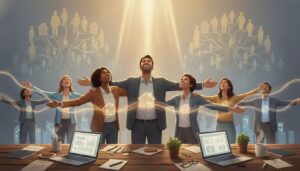
In the contemporary landscape, social media has emerged as a powerful force that shapes public discourse and influences individual liberties. Platforms such as Twitter, Facebook, Instagram, and TikTok have transformed the way people communicate, share information, and engage with one another. This digital revolution has not only democratized access to information but has also raised critical questions about the nature of freedom in the digital age.
The ability to express oneself freely online is often seen as a hallmark of a democratic society, yet the implications of this newfound freedom are complex and multifaceted. The influence of social media on liberty is particularly pronounced in its capacity to amplify voices that have historically been marginalized. For instance, movements like #BlackLivesMatter and #MeToo have gained traction through social media, allowing individuals to share their experiences and advocate for change on a global scale.
However, this same platform can also be wielded as a tool for oppression, where misinformation and hate speech can flourish unchecked. Thus, understanding the dual-edged nature of social media is essential for grasping its impact on liberty in modern society.
Key Takeaways
- Social media has a significant influence on liberty, shaping the way people express themselves and engage with political and social issues.
- Social media plays a crucial role in promoting freedom of speech by providing a platform for individuals to share their thoughts and opinions with a wide audience.
- The impact of social media on censorship and surveillance raises concerns about privacy and the potential for government control over information.
- Social media has a profound influence on political engagement and activism, empowering individuals to mobilize and advocate for change on a global scale.
- The spread of misinformation on social media can have detrimental effects on liberty, leading to the distortion of facts and the manipulation of public opinion.
The Role of Social Media in Promoting Freedom of Speech
The Democratization of Speech
This shift has empowered many to voice their concerns, share their stories, and mobilize support for various causes. The democratization of speech has led to a more inclusive and diverse media landscape, where multiple voices can be heard.
The Power of Social Media in Shaping Events
For instance, during the Arab Spring, social media played a crucial role in organizing protests and disseminating information that challenged authoritarian regimes. Moreover, social media has facilitated the rise of citizen journalism, where ordinary individuals can report on events as they unfold, often bypassing traditional media gatekeepers.
The Challenges of Free Expression
However, the very nature of this freedom raises questions about accountability and the potential for harmful speech. The challenge lies in balancing the right to free expression with the need to protect individuals from hate speech, harassment, and misinformation.
The Impact of Social Media on Censorship and Surveillance
While social media has the potential to enhance freedom of expression, it also presents significant challenges related to censorship and surveillance. Governments around the world have increasingly turned to social media platforms as tools for monitoring dissent and controlling public discourse. In countries like China, the state employs sophisticated algorithms to censor content deemed politically sensitive, effectively stifling free speech.
This form of digital authoritarianism highlights the precarious nature of liberty in an age where online expression can be easily surveilled and suppressed. Furthermore, the algorithms that govern social media platforms often prioritize engagement over accuracy, leading to the proliferation of sensationalist content that can be easily manipulated by those in power. This creates an environment where misinformation can thrive, complicating efforts to maintain a well-informed public.
The tension between user privacy and state surveillance raises ethical questions about the extent to which individuals are willing to sacrifice their liberty for perceived security. As social media continues to evolve, the implications for censorship and surveillance will remain critical areas of concern.
Social Media’s Influence on Political Engagement and Activism
The role of social media in political engagement cannot be overstated; it has fundamentally altered how citizens interact with their governments and participate in civic life. Platforms like Twitter and Facebook have become essential tools for political campaigns, allowing candidates to reach voters directly and engage with them in real-time. This shift has led to a more dynamic political landscape where grassroots movements can gain momentum quickly, as seen in recent elections across various democracies.
Activism has also been transformed by social media, enabling individuals to organize protests, share petitions, and mobilize support for causes with unprecedented speed. The Women’s March in 2017 is a prime example of how social media can galvanize collective action on a global scale. However, this newfound power comes with challenges; the rapid spread of information can lead to fragmentation within movements and create echo chambers that reinforce existing beliefs rather than fostering constructive dialogue.
As activists navigate this complex terrain, understanding the nuances of social media’s influence on political engagement is crucial for effective advocacy.
The Spread of Misinformation and its Effect on Liberty
One of the most pressing issues associated with social media is the spread of misinformation, which poses a significant threat to individual liberties and democratic processes. The viral nature of content on these platforms means that false information can reach vast audiences within minutes, often outpacing efforts to correct it. This phenomenon has been particularly evident during major events such as elections or public health crises, where misinformation can undermine trust in institutions and erode civil liberties.
The consequences of misinformation extend beyond mere confusion; they can lead to real-world harm. For instance, during the COVID-19 pandemic, false claims about treatments and vaccines proliferated on social media, contributing to vaccine hesitancy and public health challenges. The challenge lies in developing effective strategies to combat misinformation while preserving freedom of expression.
Social media companies have implemented various measures to address this issue, such as fact-checking initiatives and content moderation policies; however, these efforts often raise concerns about censorship and bias.
Social Media’s Role in Promoting Diversity and Inclusivity
Social media has also played a crucial role in promoting diversity and inclusivity by providing marginalized communities with a platform to share their experiences and advocate for their rights. The ability to connect with others who share similar struggles fosters a sense of belonging and solidarity that transcends geographical boundaries. For example, LGBTQ+ individuals have utilized social media to create supportive networks that challenge societal norms and promote acceptance.
Additionally, social media campaigns aimed at raising awareness about issues such as racial inequality, gender discrimination, and environmental justice have gained traction globally. Hashtags like #BlackLivesMatter and #ClimateStrike have mobilized millions to engage in discussions about systemic injustices and demand accountability from those in power. However, while social media can amplify diverse voices, it can also perpetuate divisions if not approached thoughtfully.
The challenge lies in ensuring that these platforms remain spaces for constructive dialogue rather than battlegrounds for polarized opinions.
The Ethics of Social Media and its Impact on Personal Liberty
The ethical implications of social media use are profound, particularly concerning personal liberty. Users often grapple with the trade-offs between sharing personal information for connection versus protecting their privacy. Social media companies collect vast amounts of data from users, raising concerns about how this information is used and who has access to it.
The Cambridge Analytica scandal serves as a stark reminder of how personal data can be exploited for political gain, undermining individual autonomy. Moreover, the design of social media platforms often encourages addictive behaviors that can infringe upon personal liberty by limiting users’ ability to engage meaningfully with their surroundings. The constant barrage of notifications and curated content can create an environment where individuals feel compelled to remain online at the expense of real-world interactions.
As society grapples with these ethical dilemmas, it becomes increasingly important to advocate for transparency and accountability from social media companies while empowering users to make informed choices about their online presence.
Balancing the Benefits and Drawbacks of Social Media on Liberty
The influence of social media on liberty is a complex interplay of empowerment and constraint. While these platforms have democratized access to information and provided avenues for marginalized voices to be heard, they also present significant challenges related to misinformation, censorship, and ethical considerations surrounding personal data use. As society continues to navigate this digital landscape, it is essential to strike a balance between harnessing the benefits of social media while addressing its drawbacks.
The future of liberty in the age of social media will depend on collective efforts from individuals, policymakers, and technology companies alike. By fostering an environment that prioritizes transparency, accountability, and inclusivity, society can work towards ensuring that social media remains a tool for empowerment rather than oppression. Ultimately, understanding the multifaceted nature of social media’s influence on liberty will be crucial for navigating the complexities of modern communication in an increasingly interconnected world.