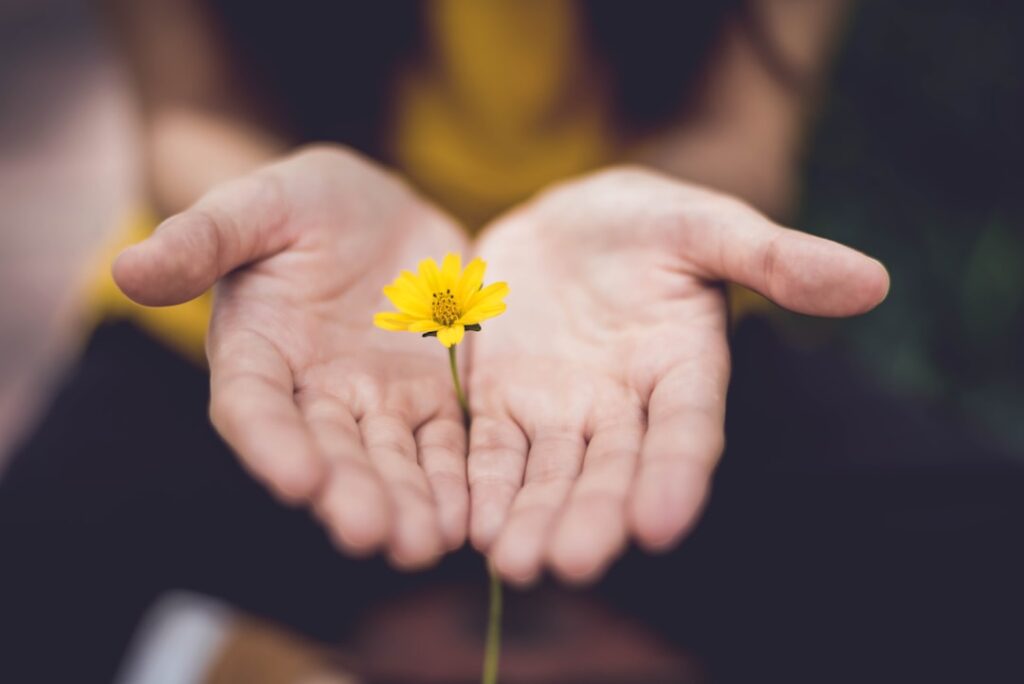
Gratitude is more than just a fleeting emotion; it is a complex psychological state that has garnered significant attention in scientific research. Studies have shown that practicing gratitude can lead to a myriad of psychological benefits, including increased happiness, reduced depression, and enhanced overall well-being. One of the most compelling pieces of evidence comes from a study published in the journal “Personality and Individual Differences,” which found that individuals who regularly engage in gratitude exercises report higher levels of positive emotions and life satisfaction.
This phenomenon can be attributed to the way gratitude shifts our focus from what we lack to what we have, fostering a more positive outlook on life. Moreover, the physical benefits of gratitude are equally noteworthy. Research indicates that individuals who practice gratitude experience lower levels of stress and improved immune function.
A study conducted by the University of California, Davis, revealed that participants who kept a gratitude journal reported fewer health complaints and engaged in more exercise than those who did not. This connection between gratitude and physical health can be explained by the reduction of stress hormones like cortisol, which can wreak havoc on the body when present in high levels. By cultivating a grateful mindset, individuals may not only enhance their mental health but also bolster their physical well-being.
Key Takeaways
- Gratitude has psychological and physical benefits, including improved mental health and reduced stress levels.
- Cultivating a grateful mindset can be achieved through practical tips and techniques such as keeping a gratitude journal and practicing mindfulness.
- Gratitude in relationships can strengthen connections and build trust, leading to healthier and more fulfilling interactions with others.
- Overcoming adversity with gratitude can lead to stories of resilience and triumph, as individuals find strength and hope in being thankful for what they have.
- Expressing gratitude through small acts of kindness can make a big difference in the lives of others, creating a ripple effect of positivity and kindness in the world.
Cultivating a Grateful Mindset: Practical Tips and Techniques
Developing a grateful mindset requires intentionality and practice. One effective technique is to maintain a gratitude journal, where individuals can regularly jot down things they are thankful for. This practice encourages reflection on positive experiences and can serve as a powerful reminder of the good in one’s life, even during challenging times.
Research suggests that writing down three things one is grateful for each day can significantly increase overall happiness levels. The act of writing itself can help solidify these positive thoughts, making them more accessible during moments of negativity. Another practical approach to cultivating gratitude is through mindfulness meditation.
Mindfulness encourages individuals to be present in the moment and to acknowledge their thoughts and feelings without judgment. By incorporating gratitude into mindfulness practices, individuals can enhance their awareness of the positive aspects of their lives. For instance, during meditation, one might focus on the warmth of the sun on their skin or the comfort of a loved one’s presence.
This practice not only fosters a sense of appreciation but also helps to reduce anxiety and promote emotional resilience.
Gratitude in Relationships: Strengthening Connections and Building Trust

Gratitude plays a pivotal role in nurturing relationships, whether they are romantic partnerships, friendships, or familial bonds. Expressing gratitude towards others can significantly enhance feelings of connection and trust. Research published in the journal “Emotion” found that couples who regularly express appreciation for one another report higher levels of relationship satisfaction.
Simple acts of acknowledgment, such as thanking a partner for their support or recognizing a friend’s efforts, can create a positive feedback loop that strengthens relational ties. Furthermore, gratitude can act as a buffer against conflict in relationships. When individuals express appreciation, it fosters an environment of positivity that can mitigate misunderstandings and disagreements.
For example, during a disagreement, recalling past instances where one partner has shown kindness or support can help reframe the situation and promote empathy. This shift in perspective not only aids in conflict resolution but also reinforces the foundation of trust and mutual respect within the relationship.
Overcoming Adversity with Gratitude: Stories of Resilience and Triumph
The power of gratitude becomes particularly evident in the face of adversity. Numerous stories illustrate how individuals have harnessed gratitude as a tool for resilience during challenging times. For instance, consider the story of Viktor Frankl, a Holocaust survivor and psychiatrist who wrote “Man’s Search for Meaning.” In his harrowing experiences in concentration camps, Frankl discovered that those who maintained a sense of gratitude for small moments—such as the beauty of nature or acts of kindness from fellow prisoners—were more likely to survive both physically and mentally.
His insights highlight how gratitude can serve as a lifeline during periods of profound suffering. Another poignant example is that of Malala Yousafzai, the Pakistani activist for female education who survived an assassination attempt by the Taliban. Following her recovery, Yousafzai expressed immense gratitude for her life and the opportunities she had to advocate for education worldwide.
Her story exemplifies how embracing gratitude can transform adversity into a driving force for change. By focusing on what she could do rather than what she had lost, Yousafzai not only found personal strength but also inspired millions around the globe to pursue their dreams despite obstacles.
Expressing Gratitude: How Small Acts of Kindness Can Make a Big Difference
The act of expressing gratitude does not have to be grandiose; often, it is the small gestures that create significant impacts. Simple acts of kindness—such as writing a thank-you note, offering compliments, or lending a helping hand—can foster an atmosphere of appreciation and positivity. Research indicates that when individuals express gratitude towards others, it not only enhances their own mood but also uplifts those around them.
A study published in “Psychological Science” found that participants who expressed gratitude reported feeling more connected to others and were more likely to engage in prosocial behaviors. Moreover, these small acts can create a ripple effect within communities. When one person expresses gratitude, it often inspires others to do the same, creating an environment where kindness flourishes.
For instance, consider a workplace where employees regularly acknowledge each other’s contributions; this culture of appreciation can lead to increased morale, collaboration, and productivity. In essence, expressing gratitude is not merely an individual act; it has the potential to transform entire communities by fostering connections and encouraging a collective spirit of kindness.
Gratitude and Mental Health: Managing Stress, Anxiety, and Depression

The relationship between gratitude and mental health is well-documented in psychological literature. Practicing gratitude has been shown to be an effective strategy for managing stress, anxiety, and depression. For instance, individuals who engage in regular gratitude practices report lower levels of anxiety and depressive symptoms compared to those who do not.
A study published in “Journal of Happiness Studies” found that participants who practiced gratitude experienced significant reductions in feelings of hopelessness and increased overall life satisfaction. One reason for this connection lies in the way gratitude influences cognitive processes. When individuals focus on what they are thankful for, they are less likely to ruminate on negative thoughts or experiences.
This shift in focus can disrupt patterns of negative thinking that often accompany anxiety and depression. Additionally, gratitude promotes positive emotions such as joy and contentment, which can counteract feelings of sadness or despair. By incorporating gratitude into daily routines—whether through journaling or verbal expressions—individuals can cultivate a more resilient mindset that supports mental well-being.
Gratitude as a Spiritual Practice: Finding Meaning and Purpose in Life
For many individuals, gratitude transcends mere emotional expression; it becomes a spiritual practice that fosters deeper meaning and purpose in life. Various spiritual traditions emphasize the importance of gratitude as a pathway to connection with something greater than oneself. In Buddhism, for example, practitioners are encouraged to cultivate an attitude of thankfulness as part of their mindfulness practice.
This perspective allows individuals to appreciate the interconnectedness of all beings and recognize the abundance present in their lives. In Christianity, gratitude is often expressed through prayer and worship as an acknowledgment of divine blessings. The act of giving thanks is seen as an essential component of faith that fosters humility and recognition of one’s place within the larger tapestry of existence.
By integrating gratitude into spiritual practices, individuals can find solace during difficult times and cultivate a sense of purpose that guides their actions and decisions.
The Ripple Effect of Gratitude: How Practicing Thankfulness Can Impact the World
The impact of gratitude extends far beyond individual well-being; it has the potential to create significant societal change. When people practice thankfulness regularly, they contribute to a culture that values kindness, empathy, and connection. This ripple effect can manifest in various ways—communities become more cohesive as individuals engage in acts of service inspired by their gratefulness towards others.
For instance, initiatives such as “paying it forward” exemplify how gratitude can inspire collective action for good. When someone receives an unexpected act of kindness, they may feel compelled to extend that generosity to another person, creating a chain reaction that spreads positivity throughout communities. Research has shown that such acts not only enhance individual well-being but also foster social cohesion by building trust among community members.
In conclusion, the practice of gratitude serves as a powerful tool for personal growth and societal transformation. By understanding its psychological and physical benefits, cultivating a grateful mindset, nurturing relationships through appreciation, overcoming adversity with resilience, expressing kindness through small acts, managing mental health challenges, embracing spirituality through thankfulness, and recognizing its ripple effect on society, individuals can harness the transformative power of gratitude to enrich their lives and positively impact those around them.
In a related article titled Healing Through the Judgment, the importance of finding healing and restoration through the process of judgment is explored. Just as gratitude plays a crucial role in restoring faith and hope, judgment can also be a powerful tool for growth and transformation. By embracing the lessons learned through judgment, individuals can find healing and move forward in their spiritual journey. These articles highlight the interconnectedness of gratitude, judgment, and faith in the process of personal growth and spiritual development.