

Spiritual discouragement is a profound and often disorienting experience that can affect individuals on multiple levels. It typically arises when one feels disconnected from their spiritual beliefs, practices, or community. This disconnection can manifest as a sense of emptiness, confusion, or even despair regarding one’s faith or spiritual path.
The roots of spiritual discouragement can be varied, ranging from personal crises, such as loss or trauma, to broader societal issues that challenge one’s beliefs. For many, this state can feel isolating, as if they are navigating a labyrinth without a clear exit. The experience of spiritual discouragement is not merely a fleeting moment of doubt; it can evolve into a prolonged period of questioning and uncertainty.
Individuals may find themselves grappling with existential questions about the meaning of life, the nature of divinity, or the purpose of their existence. This struggle can lead to a reevaluation of previously held beliefs and practices, prompting a search for deeper understanding or alternative perspectives. In this context, spiritual discouragement can serve as a catalyst for growth, pushing individuals to explore new dimensions of their spirituality and ultimately leading to a more profound connection with their inner selves.
Key Takeaways
- Spiritual discouragement is a common experience that can arise from feelings of disconnection, doubt, or disillusionment in one’s spiritual journey.
- Signs of spiritual discouragement may include a lack of motivation, a sense of emptiness or apathy, and questioning one’s beliefs or purpose.
- Strategies for overcoming spiritual discouragement may involve reconnecting with spiritual practices, seeking guidance from mentors or spiritual leaders, and engaging in self-reflection and introspection.
- Seeking support and guidance from trusted individuals, such as friends, family, or members of a spiritual community, can provide comfort and perspective during times of spiritual discouragement.
- Cultivating a positive mindset and resilience in the face of spiritual discouragement involves practicing self-compassion, embracing vulnerability, and finding meaning and purpose in one’s spiritual journey.
Recognizing the Signs of Spiritual Discouragement
Disconnection from Spiritual Practices and Community
One common indicator of spiritual discouragement is a pervasive sense of disconnection from one’s spiritual practices or community. Individuals may find themselves skipping rituals that once brought them joy or feeling indifferent during communal gatherings.
Emotional and Psychological Signs
This withdrawal can be accompanied by feelings of apathy or boredom regarding spiritual matters, suggesting a deeper struggle with faith or belief systems. Additionally, one might experience an increase in negative self-talk or feelings of unworthiness, which can further exacerbate the sense of isolation.
Existential Questions and Physical Manifestations
Another significant sign of spiritual discouragement is the emergence of existential questions that seem to linger without resolution. Individuals may find themselves pondering the purpose of their lives or the existence of a higher power more frequently than before. This introspection can lead to feelings of anxiety or despair, particularly if one feels they are unable to find satisfactory answers. Physical manifestations may also occur; fatigue, restlessness, or even physical illness can accompany spiritual discouragement as the mind and body react to emotional turmoil.
Strategies for Overcoming Spiritual Discouragement

Overcoming spiritual discouragement often requires a multifaceted approach that addresses both emotional and practical aspects of one’s spiritual life. One effective strategy is to re-engage with spiritual practices that resonate personally. This could involve revisiting meditation, prayer, or journaling—activities that foster introspection and connection with one’s inner self.
By creating a dedicated space for these practices, individuals can cultivate an environment conducive to reflection and renewal. Engaging with nature can also be a powerful way to reconnect with spirituality; spending time outdoors often provides clarity and perspective that can be transformative. Another strategy involves seeking out new sources of inspiration and knowledge.
This could mean exploring different spiritual texts, attending workshops, or engaging with diverse communities that offer fresh perspectives on spirituality. By exposing oneself to various teachings and philosophies, individuals can find elements that resonate with their current state of being. Additionally, setting small, achievable goals related to spiritual growth can help create a sense of accomplishment and motivation.
Whether it’s committing to daily gratitude practices or participating in community service, these actions can reignite passion and purpose in one’s spiritual journey.
Seeking Support and Guidance in Times of Spiritual Discouragement
During periods of spiritual discouragement, seeking support from others can be invaluable. Connecting with trusted friends, mentors, or spiritual leaders who understand the complexities of faith can provide comfort and guidance. These conversations often reveal shared experiences and insights that help individuals feel less isolated in their struggles.
Support groups or community gatherings focused on spiritual exploration can also foster a sense of belonging and understanding, allowing individuals to share their experiences in a safe environment. Professional guidance from therapists or counselors who specialize in spirituality can also be beneficial. These professionals can offer tools and techniques tailored to individual needs, helping to navigate feelings of doubt and confusion.
They may introduce practices such as cognitive-behavioral techniques that challenge negative thought patterns or mindfulness exercises that promote presence and acceptance. Engaging in dialogue with those who have traversed similar paths can illuminate new ways to approach spiritual challenges and encourage resilience in the face of adversity.
Cultivating a Positive Mindset and Resilience in the Face of Spiritual Discouragement
Cultivating a positive mindset is essential for overcoming spiritual discouragement. This involves consciously shifting focus from negative thoughts to more constructive ones. Practicing gratitude is one effective method; by regularly acknowledging the positive aspects of life—no matter how small—individuals can foster a sense of appreciation that counteracts feelings of despair.
Keeping a gratitude journal where one notes daily blessings can serve as a powerful reminder of the goodness present in life, even amidst challenges. Resilience is another critical component in navigating spiritual discouragement. Building resilience involves developing coping strategies that allow individuals to bounce back from setbacks.
This could include engaging in physical activities that promote well-being, such as yoga or hiking, which not only enhance physical health but also contribute to mental clarity and emotional stability. Additionally, embracing a growth mindset—viewing challenges as opportunities for learning rather than insurmountable obstacles—can empower individuals to approach their spiritual journeys with renewed vigor and determination.
Finding Strength and Hope in Spiritual Practices and Rituals
Finding Connection and Hope
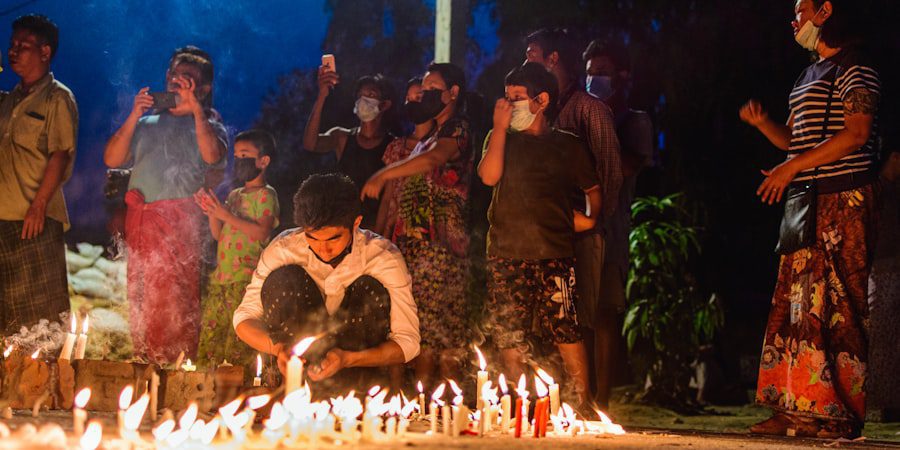
Engaging in rituals, whether personal or communal, can create a sense of connection to something greater than oneself. For example, lighting candles during meditation or participating in group prayers can evoke feelings of unity and hope.
Reinforcing Values and Beliefs
These practices often remind individuals of their values and beliefs, reinforcing their commitment to their spiritual paths. Moreover, incorporating new rituals into one’s routine can invigorate the spiritual experience. This might include creating a sacred space at home for reflection or establishing weekly rituals that involve family or friends.
Healing and Community Building
Such practices not only enhance personal spirituality but also strengthen communal bonds, fostering an environment where individuals feel supported in their journeys. The act of ritual itself can be healing; it provides a framework for expressing emotions and intentions, allowing individuals to process their experiences in meaningful ways.
Embracing Vulnerability and Accepting Imperfection in the Spiritual Journey
Embracing vulnerability is an essential aspect of navigating spiritual discouragement. Acknowledging one’s struggles openly allows for deeper connections with others who may be experiencing similar challenges. This vulnerability fosters authenticity in relationships and encourages honest conversations about faith and doubt.
Accepting imperfection—both within oneself and in one’s spiritual journey—can alleviate the pressure to conform to idealized notions of spirituality. Recognizing that everyone experiences ups and downs creates space for compassion towards oneself and others. Accepting imperfection also means understanding that the spiritual journey is not linear; it is filled with twists, turns, and unexpected detours.
Each individual’s path is unique, shaped by personal experiences and insights gained along the way. By letting go of rigid expectations about what spirituality should look like, individuals can cultivate a more flexible approach that honors their authentic selves. This acceptance allows for growth through adversity, transforming moments of discouragement into opportunities for deeper understanding and connection.
Nurturing a Sense of Purpose and Meaning to Overcome Spiritual Discouragement
Nurturing a sense of purpose is vital for overcoming feelings of spiritual discouragement. Engaging in activities that align with personal values can reignite passion and motivation in one’s life. Volunteering for causes that resonate deeply or pursuing creative endeavors can provide avenues for expressing spirituality through action.
These experiences often foster connections with others who share similar values, reinforcing a sense of community and belonging. Additionally, reflecting on personal values and beliefs can help clarify what truly matters in life. This introspection may involve asking profound questions about one’s passions, aspirations, and contributions to the world.
By identifying core values—such as compassion, justice, or creativity—individuals can align their actions with these principles, creating a more meaningful existence. This alignment not only combats feelings of discouragement but also cultivates a deeper connection to one’s spirituality, transforming challenges into stepping stones toward fulfillment and purpose.
If you are interested in exploring the theme of restoring favor and unity in the midst of spiritual discouragement, you may find the article Restoring Favor and Unity to be a valuable resource. This article delves into the importance of coming together as a community to support one another and overcome challenges. It offers practical advice and encouragement for those seeking to find hope and strength in their spiritual journey.