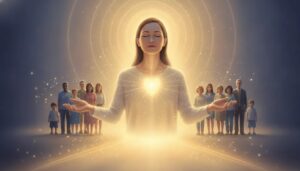
Restoration is a multifaceted concept that transcends mere physical repair or renewal. It encompasses the idea of returning something to its original state or improving it to a better condition. In a broader sense, restoration can apply to various aspects of life, including emotional well-being, relationships, and even spiritual health.
The term evokes images of rejuvenation and healing, suggesting a process that not only repairs but also revitalizes. This notion is deeply rooted in many cultures and philosophies, often associated with the idea of redemption and renewal. In the context of personal development and spirituality, restoration signifies a journey back to wholeness.
It involves acknowledging past wounds, whether they be emotional scars from relationships or spiritual disconnection from one’s beliefs. The process of restoration is not merely about fixing what is broken; it is about understanding the underlying issues that led to the state of disrepair. This understanding paves the way for genuine healing, allowing individuals to emerge stronger and more resilient.
Restoration, therefore, is an invitation to engage in a transformative process that can lead to profound personal growth and renewed purpose.
Key Takeaways
- Restoration is the process of returning something to its original state or condition.
- Recognizing the need for restoration involves acknowledging areas of brokenness and seeking healing and renewal.
- Embracing God’s call to restore involves trusting in His plan for restoration and actively participating in the process.
- Overcoming obstacles in the restoration process requires perseverance, patience, and a willingness to seek help and support.
- The role of faith in restoration is essential, as it provides hope, strength, and guidance throughout the journey of restoration.
Recognizing the Need for Restoration
Identifying Internal Indicators
It is crucial to acknowledge these feelings as indicators that something within requires attention and care. The first step toward restoration is the willingness to confront these emotions and understand their origins. By doing so, individuals can begin to address the underlying issues that are hindering their personal growth and well-being.
Observing External Signs
The need for restoration can also be observed in external circumstances. Relationships may become strained, communities may face division, and societal issues may arise that highlight the need for collective healing. For instance, a community grappling with economic decline may experience increased tension among its members, leading to a breakdown in trust and collaboration.
Initiating the Restoration Process
Recognizing these signs is essential for initiating the restoration process, as it allows individuals and groups to identify specific areas that require intervention and support. By acknowledging the need for restoration, individuals and communities can take the first step toward healing and rebuilding, ultimately leading to a more fulfilling and harmonious life.
Embracing God’s Call to Restore
For many, the journey of restoration is intertwined with spiritual beliefs and practices. Embracing God’s call to restore involves recognizing that there is a divine purpose behind the challenges faced in life. This perspective encourages individuals to view their struggles not as mere obstacles but as opportunities for growth and transformation.
Many religious traditions emphasize the importance of seeking divine guidance during times of distress, suggesting that God plays an active role in the restoration process. In practical terms, embracing this call often involves prayer, meditation, or engaging with sacred texts that provide wisdom and encouragement. For example, in Christianity, passages such as Psalm 51 highlight themes of repentance and renewal, inviting believers to seek God’s forgiveness and restoration.
This spiritual engagement fosters a sense of hope and purpose, reinforcing the belief that restoration is not solely an individual endeavor but a collaborative journey with the divine. By surrendering to this call, individuals can find strength and motivation to pursue healing in their lives.
Overcoming Obstacles in the Restoration Process
The path to restoration is rarely straightforward; it is often fraught with obstacles that can hinder progress. One significant challenge is the fear of vulnerability. Acknowledging past wounds requires individuals to confront painful memories and emotions that they may have long buried.
This fear can lead to avoidance behaviors, where individuals choose to remain in their comfort zones rather than face the discomfort of healing. Overcoming this obstacle necessitates cultivating courage and resilience, allowing individuals to embrace their vulnerabilities as integral parts of their journey. Another common obstacle is the influence of negative self-talk and limiting beliefs.
Many people internalize messages from their past experiences or societal expectations that undermine their self-worth and potential for change. These beliefs can create a mental barrier that prevents individuals from fully engaging in the restoration process. To overcome this challenge, it is essential to develop a mindset rooted in self-compassion and empowerment.
Engaging in positive affirmations, seeking support from trusted friends or mentors, and challenging negative thoughts can help individuals break free from these mental constraints.
The Role of Faith in Restoration
Faith plays a pivotal role in the restoration process, serving as both a source of strength and a guiding light during challenging times. For those who believe in a higher power, faith provides reassurance that they are not alone in their struggles. This belief can foster resilience, encouraging individuals to persevere even when faced with setbacks.
Faith often instills a sense of purpose, reminding individuals that their journey toward restoration is part of a larger narrative that transcends their immediate circumstances. Additionally, faith can inspire acts of service and compassion toward others who are also seeking restoration. Many religious teachings emphasize the importance of community support and collective healing.
Engaging in acts of kindness or volunteering can create a sense of belonging and connection, reinforcing the idea that restoration is not solely an individual pursuit but a communal effort. This interconnectedness can amplify the impact of faith on personal growth, as individuals witness the transformative power of love and support within their communities.
Restoring Relationships

Restoring relationships is often one of the most challenging yet rewarding aspects of the restoration process. Relationships can become strained due to misunderstandings, conflicts, or unresolved issues that linger over time. The first step toward restoring these connections involves open communication and a willingness to listen actively.
This means creating a safe space where both parties can express their feelings without fear of judgment or retaliation. Moreover, forgiveness plays a crucial role in restoring relationships. It requires individuals to let go of past grievances and embrace empathy toward one another.
For instance, consider two friends who have experienced a falling out due to miscommunication. By acknowledging their mistakes and expressing genuine remorse, they can begin to rebuild trust and understanding. This process may take time and effort, but it ultimately leads to deeper connections and a renewed sense of camaraderie.
Restoring Communities
The concept of restoration extends beyond individual relationships; it encompasses entire communities seeking healing and unity. Communities often face challenges such as economic hardship, social injustice, or cultural divisions that necessitate collective efforts toward restoration. Recognizing these issues is the first step; however, effective restoration requires collaboration among community members.
One powerful example of community restoration can be seen in grassroots movements aimed at addressing social inequalities. These initiatives often bring together diverse groups of people who share a common goal: to create positive change within their neighborhoods. By fostering dialogue and understanding among different cultural backgrounds, communities can work toward healing divisions and building bridges of trust.
This collaborative approach not only addresses immediate concerns but also lays the foundation for long-term resilience and solidarity.
The Impact of Restoration on Personal Growth
The impact of restoration on personal growth is profound and far-reaching. Engaging in the restoration process allows individuals to confront their pasts, learn from their experiences, and emerge with newfound strength and wisdom. This journey often leads to increased self-awareness as individuals gain insights into their behaviors, motivations, and emotional responses.
Furthermore, restoration fosters resilience by teaching individuals how to navigate challenges with grace and determination. As they overcome obstacles and rebuild relationships or communities, they develop skills such as empathy, communication, and problem-solving that are invaluable throughout life. The lessons learned during this process often extend beyond personal experiences; they equip individuals with the tools needed to support others on their journeys toward healing.
In essence, restoration serves as a catalyst for transformation, enabling individuals to redefine their identities and embrace new possibilities for growth. Whether through personal reflection or collective action within communities, the act of restoring what has been lost or broken opens doors to deeper connections with oneself and others. As individuals engage in this transformative journey, they not only heal themselves but also contribute to a more compassionate and resilient world around them.
If you enjoyed reading “From Ruins to Redemption: Understanding God’s Call to Restore,” you may also be interested in the article “From Bethesda to Beersheba: A Journey of Healing and Transformation.” This article explores the theme of restoration and healing in a different context, drawing parallels to the biblical story of the healing pool of Bethesda. It offers insights into how God can bring about transformation and redemption in our lives, just as He did for the people of Beersheba.