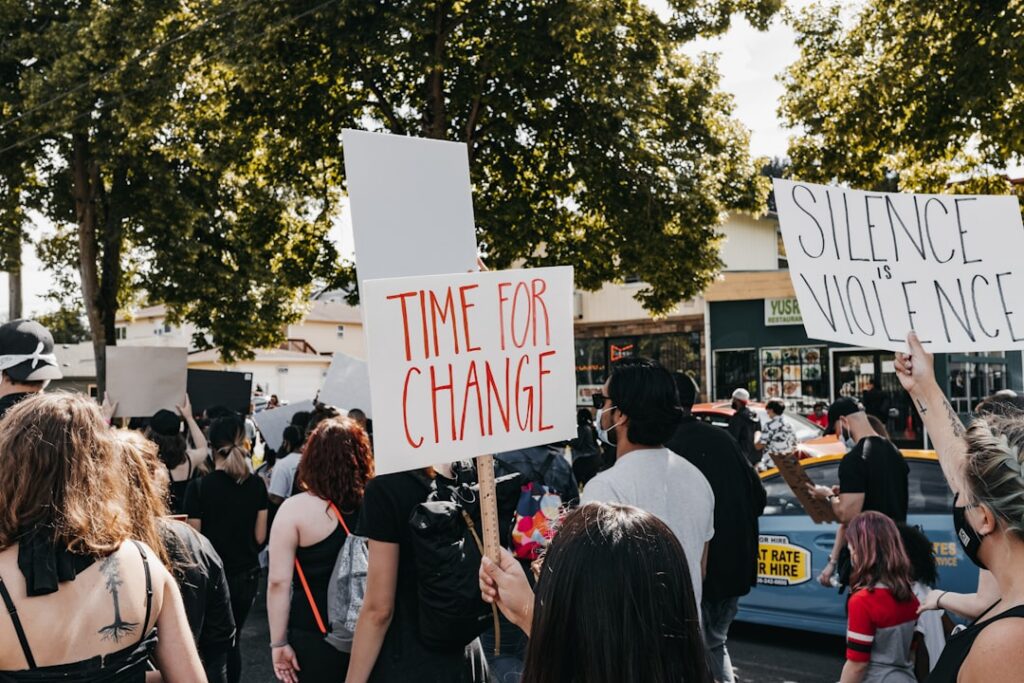
The relationship between faith and politics has been a subject of intense debate throughout history, with various religious traditions influencing political ideologies and governance structures. In many societies, religious beliefs have served as a foundation for moral and ethical standards, which in turn shape political discourse and policy-making. This intersection is particularly pronounced in countries where a significant portion of the population identifies with a particular faith, leading to the intertwining of religious values with national identity.
For instance, in the United States, the influence of Christianity on political life is evident in the rhetoric of many politicians who invoke biblical principles to justify their policies or rally support from religious constituencies. Moreover, the intersection of faith and politics can manifest in various ways, from grassroots movements to institutionalized power structures. Religious organizations often mobilize their followers to engage in political activism, advocating for issues that align with their beliefs.
This can be seen in the pro-life movement, which is largely driven by Christian groups that view abortion as morally unacceptable. Similarly, issues such as marriage equality and immigration policy have sparked significant debate within religious communities, revealing how faith can both unite and divide individuals based on differing interpretations of sacred texts and doctrines. The dynamic interplay between faith and politics continues to evolve, reflecting broader societal changes and the ongoing struggle for power and representation.
Key Takeaways
- The intersection of faith and politics is a complex and often contentious issue that shapes the beliefs and actions of many individuals and communities.
- Religious beliefs play a significant role in shaping political views, influencing everything from social policies to international relations.
- Christian values have a profound impact on views of liberty, with concepts such as free will and personal responsibility playing a central role in shaping political ideologies.
- There is potential for conflict between Christian beliefs and liberty, particularly when it comes to issues such as reproductive rights and LGBTQ+ rights.
- Examples of Christian opposition to liberty can be seen in debates over issues such as marriage equality and access to reproductive healthcare.
The Role of Religious Beliefs in Shaping Political Views
Introduction to the Role of Religion in Politics
Religious beliefs play a crucial role in shaping individual political views, often serving as a lens through which people interpret social issues and public policy. For many adherents, their faith provides a moral framework that informs their opinions on contentious topics such as healthcare, education, and social justice. For example, the concept of stewardship in Christianity encourages believers to care for the less fortunate, which can translate into support for social welfare programs.
Variations in Religious Influence on Politics
Conversely, some religious interpretations may lead individuals to oppose government intervention in personal matters, advocating instead for individual responsibility and free-market solutions. The influence of religious beliefs on political views is not uniform; it varies significantly across different denominations and cultural contexts. Evangelical Christians in the United States, for instance, often prioritize issues like abortion and same-sex marriage, while mainline Protestant denominations may focus more on social justice and environmental stewardship.
Religious Identity and Political Priorities
This divergence illustrates how religious identity can shape political priorities and alignments. The priorities and alignments can significantly influence the political landscape, as individuals and groups advocate for policies that reflect their religious values. The complex relationship between religion and politics is further nuanced by the diverse ways in which religious beliefs are interpreted and applied to political issues.
Global Implications of Religious Nationalism
Additionally, the rise of religious nationalism in various parts of the world has further complicated this relationship, as some groups seek to establish a political order that reflects their religious values, often at the expense of pluralism and secular governance. This trend has significant implications for global politics, as it can lead to increased tensions and conflicts between different religious and cultural groups, highlighting the need for a nuanced understanding of the complex interplay between religion and politics.
The Impact of Christian Values on Views of Liberty
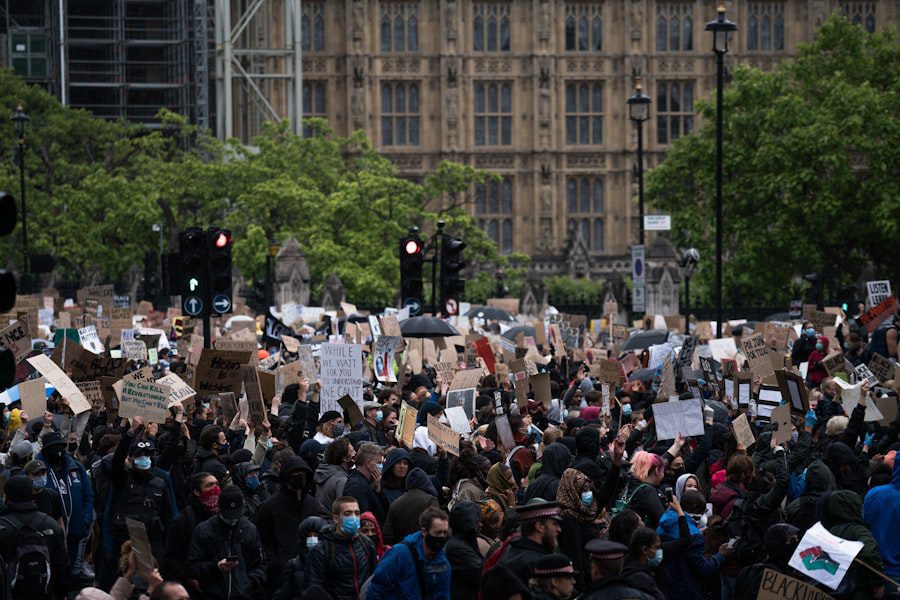
Christian values have historically influenced conceptions of liberty, particularly in Western societies where Christianity has played a dominant role in shaping cultural norms. The notion of liberty within a Christian framework often emphasizes the importance of moral responsibility and the idea that true freedom is found in adherence to divine law. This perspective can lead to a view of liberty that is not solely about individual autonomy but also about living in accordance with a higher moral order.
For instance, many Christians believe that freedom should be exercised in ways that promote the common good and uphold ethical standards derived from scripture. However, this understanding of liberty can also create tensions when it comes to issues such as personal choice and individual rights. For example, some Christians may argue that certain freedoms should be curtailed if they conflict with their understanding of moral truth, such as in debates over reproductive rights or LGBTQ+ rights.
This tension highlights the complexity of integrating Christian values into broader discussions about liberty, as differing interpretations of what constitutes moral behavior can lead to conflicting views on what freedoms should be protected or restricted. The challenge lies in balancing the desire to uphold religious convictions with the need to respect the rights and freedoms of others in a diverse society.
The Potential for Conflict Between Christian Beliefs and Liberty
The potential for conflict between Christian beliefs and liberty arises when religious convictions intersect with secular laws and societal norms. This conflict is particularly evident in debates surrounding issues such as reproductive rights, marriage equality, and freedom of expression. For instance, some Christian groups advocate for laws that reflect their moral beliefs, which can result in restrictions on individual freedoms for those who do not share those views.
This has led to legal battles over issues like contraceptive access and the rights of same-sex couples to marry, where the imposition of religious beliefs on public policy raises questions about the limits of religious freedom. Furthermore, this conflict can manifest in the workplace, where individuals may face dilemmas when their religious beliefs clash with anti-discrimination laws or company policies. For example, a business owner who identifies as Christian may refuse to provide services for same-sex weddings based on their religious convictions, leading to legal challenges regarding discrimination versus religious freedom.
These scenarios illustrate the ongoing struggle to navigate the boundaries between faith-based beliefs and the principles of liberty that underpin democratic societies. As such conflicts continue to arise, they highlight the need for dialogue and understanding between differing perspectives to find solutions that respect both religious convictions and individual rights.
Examples of Christian Opposition to Liberty
Throughout history, there have been notable instances where Christian groups have opposed certain liberties based on their interpretations of scripture or moral teachings. One prominent example is the opposition to same-sex marriage by various Christian denominations. Many conservative Christian groups argue that marriage should be defined as a union between one man and one woman, citing biblical passages that they believe support this view.
Their activism has led to legal battles in numerous jurisdictions where they have sought to prevent the legalization of same-sex marriage, framing their opposition as a defense of traditional family values. Another example can be found in the realm of reproductive rights, where many Christian organizations actively campaign against abortion access. Groups such as the National Right to Life Committee advocate for laws that restrict or ban abortion based on their belief that life begins at conception.
This opposition has resulted in significant legislative efforts at both state and federal levels aimed at limiting access to reproductive healthcare services. In these cases, the commitment to uphold what they perceive as moral truths often leads to actions that directly challenge individual liberties related to personal choice and bodily autonomy.
The Importance of Separation of Church and State
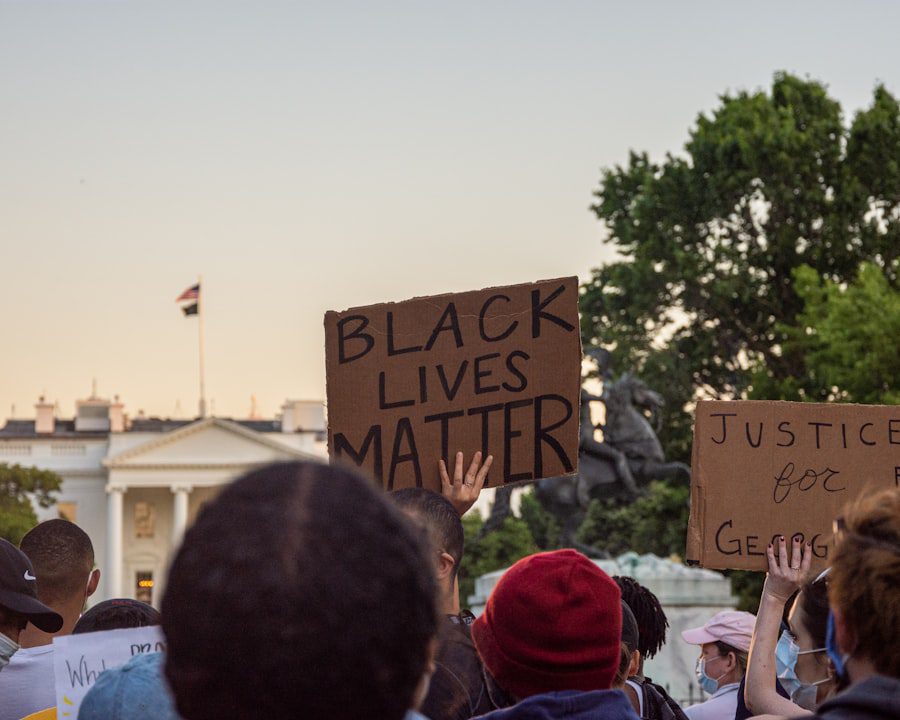
The principle of separation of church and state is fundamental to ensuring that religious beliefs do not unduly influence government policies or infringe upon individual liberties. This separation is enshrined in many democratic constitutions and serves as a safeguard against the establishment of a state religion or the imposition of religious doctrines on citizens who may not share those beliefs. By maintaining this boundary, societies can foster an environment where diverse perspectives coexist without one group imposing its values on others through legislation or state power.
The importance of this separation becomes particularly evident in discussions about public education and healthcare. For instance, debates over sex education curricula often reveal tensions between secular educational standards and religious beliefs about morality. In some cases, parents affiliated with particular faiths may seek to influence school policies to align with their values, potentially undermining the rights of other students who come from different backgrounds.
By upholding the separation of church and state, societies can ensure that public institutions remain neutral spaces where all individuals are treated equitably regardless of their religious affiliations.
Finding Common Ground Between Christianity and Liberty
Despite the potential for conflict between Christian beliefs and liberty, there are opportunities for finding common ground that respects both faith-based perspectives and individual rights. Many Christians advocate for a vision of liberty that emphasizes compassion, justice, and service to others—values that resonate with broader human rights principles. For example, numerous Christian organizations engage in social justice initiatives aimed at addressing poverty, inequality, and systemic injustice while promoting policies that protect vulnerable populations.
Additionally, interfaith dialogues can serve as platforms for exploring shared values among different religious traditions regarding liberty and human dignity. By fostering conversations that highlight common goals—such as promoting peace, understanding, and respect for all individuals—religious communities can work together to advocate for policies that uphold both their beliefs and the rights of others. This collaborative approach not only strengthens social cohesion but also enriches public discourse by incorporating diverse perspectives into discussions about liberty.
Navigating the Tension Between Faith and Freedom
Navigating the tension between faith and freedom requires a nuanced understanding of both individual rights and collective responsibilities within a pluralistic society. It involves recognizing that while individuals are entitled to hold personal beliefs based on their faith, these beliefs should not infringe upon the rights of others who may hold different views. This balance is essential for fostering an inclusive environment where diverse perspectives can coexist without fear of discrimination or persecution.
Moreover, engaging in respectful dialogue is crucial for addressing conflicts that arise at this intersection. By approaching discussions with empathy and an openness to understanding differing viewpoints, individuals can work towards solutions that honor both faith-based convictions and the principles of liberty. This process may involve compromise or re-evaluation of certain positions but ultimately contributes to a more harmonious society where freedom is cherished alongside respect for diverse beliefs.
As communities continue to grapple with these complex issues, fostering an atmosphere of mutual respect will be key to navigating the ongoing tension between faith and freedom effectively.