
The arrival of a new life is a momentous occasion that brings joy and excitement to families and communities alike. Celebrating births often involves a variety of traditions and customs that vary across cultures. In many societies, the birth of a child is marked by gatherings of family and friends, where the newborn is introduced to the world.
These celebrations can take many forms, from intimate family dinners to grand parties filled with decorations, games, and gifts. In some cultures, specific rituals are performed to bless the child, ensuring a prosperous and healthy life ahead. For instance, in certain African traditions, the naming ceremony is a significant event where the child is given a name that reflects their heritage and family lineage.
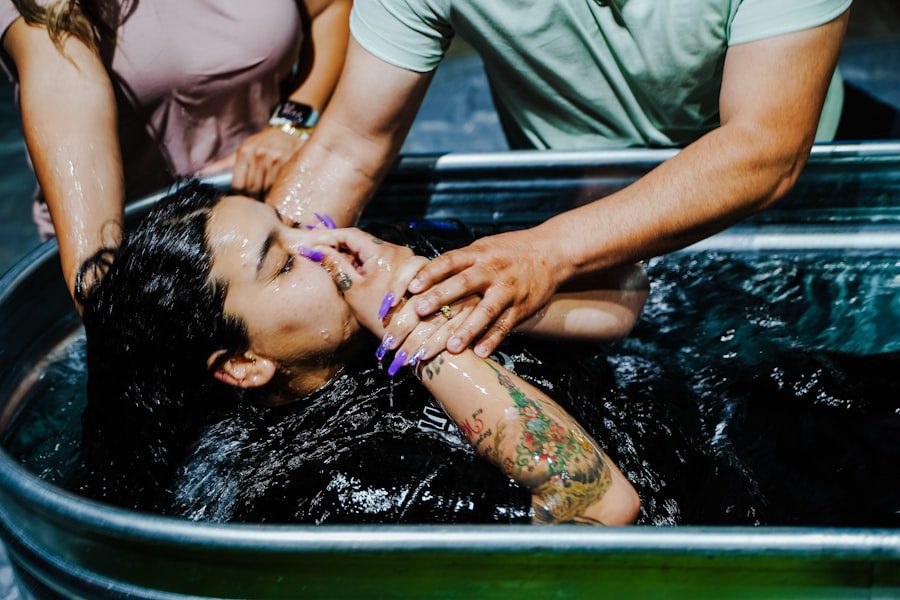
Baptisms, on the other hand, hold deep spiritual significance in many religious communities. This rite of passage symbolizes the child’s entry into the faith and is often accompanied by a ceremony that includes family members and close friends. In Christianity, for example, baptism is seen as an essential sacrament that signifies purification and the acceptance of the child into the church community.
Families often choose godparents who will take on a special role in the child’s spiritual upbringing. The celebration may include a church service followed by a reception where loved ones gather to share in the joy of the occasion. The blending of personal and communal elements in these celebrations underscores the importance of both family ties and spiritual connections in welcoming new life.
Key Takeaways
- Celebrating the birth of a child is a joyous occasion that brings family and friends together to welcome the new arrival and offer blessings for their future.
- Weddings and anniversaries are important milestones that should be commemorated with love, gratitude, and celebration of the commitment and partnership between two individuals.
- Graduations and achievements should be honored with recognition and support for the hard work and dedication that led to success, and to inspire the individual to continue striving for excellence.
- Career milestones and retirements are significant events that deserve acknowledgment and appreciation for the contributions and dedication of the individual to their profession.
- Supporting healing and recovery is essential for individuals facing challenges, and offering love, encouragement, and practical assistance can make a meaningful difference in their journey.
Commemorating Weddings and Anniversaries
Weddings are among the most celebrated milestones in human life, representing not just the union of two individuals but also the merging of families and communities. The ceremony itself is often a reflection of cultural traditions, personal values, and shared beliefs. From elaborate ceremonies with intricate rituals to simple gatherings focused on love and commitment, weddings can take many forms.
In many cultures, specific customs are observed, such as the exchange of vows, rings, or even unique elements like jumping the broom in African American traditions or breaking glass in Jewish weddings. Each of these practices carries its own significance, symbolizing love, fidelity, and the journey ahead. Anniversaries serve as poignant reminders of the commitment made on that special day.
They provide an opportunity for couples to reflect on their journey together, celebrating not only their love but also the challenges they have overcome. Many couples choose to commemorate significant anniversaries with special celebrations, such as renewing their vows or hosting a gathering with family and friends. The tradition of giving gifts also plays a crucial role in anniversary celebrations; each year is associated with specific materials that symbolize the strength of the relationship—paper for the first anniversary, wood for the fifth, and silver for the twenty-fifth.
These observances highlight the importance of nurturing relationships over time and recognizing the growth that comes with shared experiences.
Honoring Graduations and Achievements
Graduation ceremonies mark a pivotal moment in an individual’s life, symbolizing years of hard work, dedication, and personal growth. Whether it’s completing high school or earning a college degree, these milestones are celebrated with great enthusiasm. The ceremony itself often includes speeches from faculty members, inspiring messages from peers, and the ceremonial conferring of degrees or diplomas.
Graduates don caps and gowns that signify their academic achievements while family members beam with pride from the audience. The event is not just about receiving a diploma; it’s a celebration of perseverance and the culmination of dreams. Beyond the formal ceremony, graduation celebrations often extend into personal gatherings where families come together to honor their graduates.
These celebrations can range from intimate family dinners to large parties filled with friends and well-wishers. Gifts are commonly exchanged, with many graduates receiving items that will aid them in their next steps—be it further education or entering the workforce. The significance of these celebrations lies not only in recognizing academic achievements but also in acknowledging the support systems that have helped individuals reach this milestone.
Friends and family play an integral role in motivating graduates throughout their educational journeys, making these celebrations a collective acknowledgment of success.
Recognizing Career Milestones and Retirements
Career milestones are significant markers in an individual’s professional journey, representing years of hard work, dedication, and personal growth within a chosen field. Celebrating these achievements can take many forms, from formal recognition events organized by employers to informal gatherings among colleagues. For instance, reaching a decade of service at a company might be celebrated with a special dinner or an award ceremony where peers share stories about their experiences working together.
Such events not only honor individual accomplishments but also foster camaraderie among colleagues who have shared in each other’s successes. Retirement marks another important transition in one’s career path, often celebrated with great fanfare as individuals prepare to embark on a new chapter in life. Retirement parties can be elaborate affairs featuring speeches from coworkers, heartfelt tributes highlighting the retiree’s contributions to the organization, and even humorous anecdotes that reflect their personality.
These gatherings serve as an opportunity for colleagues to express gratitude for years of collaboration while also allowing retirees to reflect on their careers and share their future aspirations. The emotional weight of these celebrations underscores the impact that individuals have had on their workplaces and communities over time.
Supporting Healing and Recovery
In times of illness or injury, support from friends and family can be invaluable for those on the path to healing and recovery. Celebrating recovery milestones—whether it’s completing treatment for an illness or reaching a significant health goal—can provide encouragement and motivation for individuals facing challenging circumstances. These celebrations can take various forms; some may prefer intimate gatherings with close friends who have supported them throughout their journey, while others may opt for larger events that bring together a wider circle of loved ones.
In addition to personal celebrations, communities often come together to support individuals during difficult times through organized events such as fundraisers or awareness campaigns. For example, cancer survivors may participate in walks or runs that raise funds for research while simultaneously celebrating their own victories over illness. These collective efforts not only provide financial assistance but also foster a sense of solidarity among those affected by similar challenges.
The act of celebrating healing serves as a reminder that recovery is not just an individual journey but one that is enriched by community support.
Embracing New Beginnings and Fresh Starts
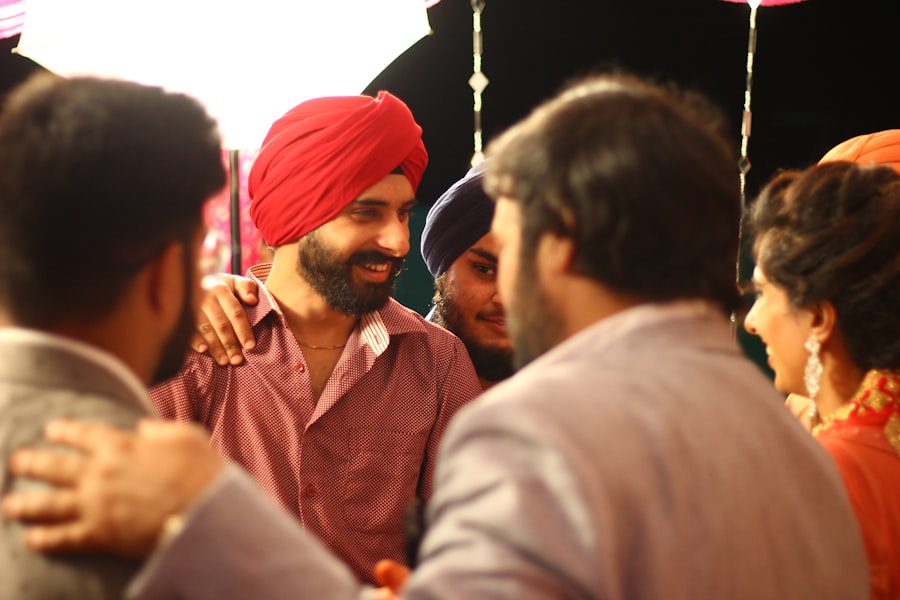
Life is filled with transitions that offer opportunities for new beginnings—whether it’s moving to a new city, starting a new job, or embarking on a different life path altogether. Celebrating these fresh starts can be an empowering experience that encourages individuals to embrace change with optimism and enthusiasm. For instance, when someone relocates to a new city for work or personal reasons, hosting a housewarming party can serve as both a celebration of their new home and an opportunity to reconnect with friends old and new.
Similarly, starting a new job often warrants celebration as it signifies growth and new opportunities for professional development. Colleagues may organize welcome lunches or informal gatherings to help newcomers feel at home within their new environment. These celebrations not only mark significant transitions but also create supportive networks that can ease the challenges associated with change.
Embracing new beginnings fosters resilience and adaptability while reinforcing the idea that every ending paves the way for new possibilities.
Remembering Loved Ones and Memorial Services
The loss of a loved one is one of life’s most profound challenges, yet memorial services provide an opportunity for families and friends to come together in remembrance and celebration of life. These gatherings serve as a poignant reminder of the impact that individuals have had on those around them while allowing attendees to share stories, memories, and reflections about their loved one’s life. Memorial services can take various forms—from traditional religious ceremonies to more personalized celebrations that reflect the deceased’s personality and passions.
In addition to formal memorials, families often create lasting tributes through activities such as planting trees or establishing scholarships in memory of their loved ones. These acts not only honor those who have passed but also create living legacies that continue to impact future generations. The process of remembering loved ones through celebration fosters healing among those left behind while reinforcing connections within families and communities during times of grief.
Embracing Aging and Wisdom
Aging is often viewed through various lenses—some see it as a decline while others recognize it as an opportunity for growth and wisdom. Celebrating milestones such as birthdays or anniversaries provides an occasion to honor the experiences accumulated over time. For instance, reaching significant birthdays like 50 or 80 can be celebrated with gatherings that reflect on life’s journey while also looking forward to what lies ahead.
These celebrations often include sharing stories from different stages of life, allowing younger generations to learn from the wisdom gained through experience. Moreover, embracing aging involves recognizing the value that older adults bring to society through their knowledge and insights. Many communities host events that celebrate seniors’ contributions—such as art exhibitions showcasing their work or storytelling sessions where they share life lessons with younger audiences.
By honoring aging individuals in this way, society acknowledges their role as mentors and guides while fostering intergenerational connections that enrich community life. Celebrating aging not only honors individual journeys but also reinforces respect for the wisdom that comes with experience.