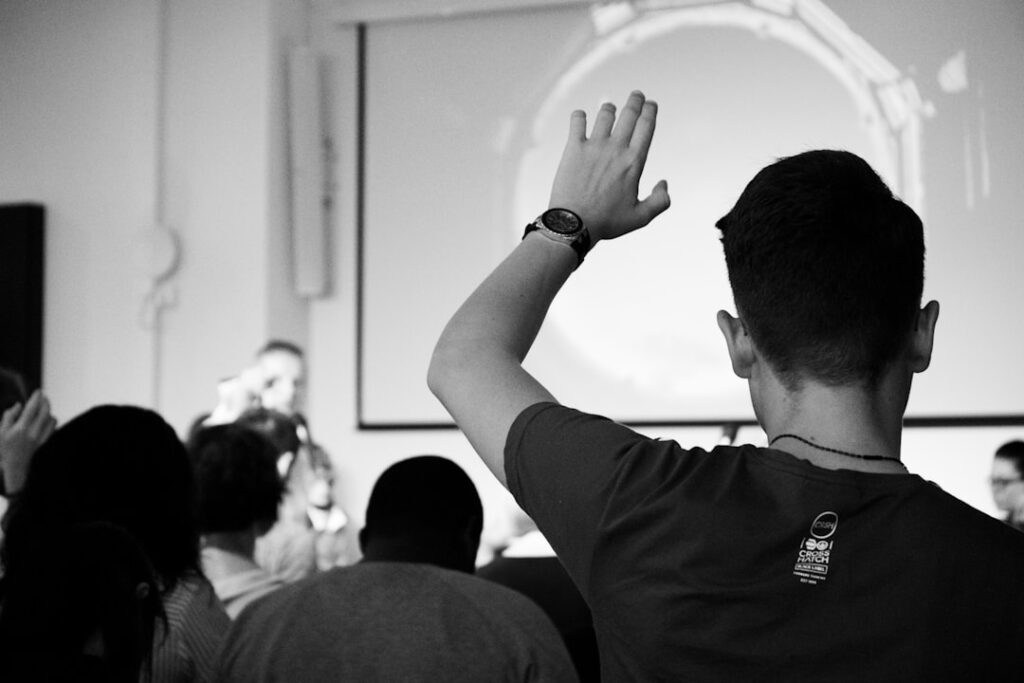
In an increasingly interconnected world, fostering respect for diverse beliefs is paramount. The ability to appreciate and understand different perspectives not only enriches individual experiences but also cultivates a more harmonious society. When students are taught to respect various belief systems, they develop critical thinking skills that enable them to navigate complex social landscapes.
This respect is foundational in promoting tolerance and reducing conflict, as it encourages individuals to engage with others who may hold differing views. By instilling these values early in education, we prepare future generations to be more inclusive and empathetic citizens. Moreover, fostering respect for diverse beliefs contributes to the overall well-being of students.
When learners feel that their beliefs are acknowledged and valued, they are more likely to participate actively in their educational environment. This sense of belonging can lead to improved academic performance and mental health outcomes. Schools that prioritize respect for diversity create safe spaces where students can express themselves without fear of judgment or discrimination.
Such environments not only enhance learning but also prepare students to thrive in a multicultural world, where understanding and collaboration across differences are essential.
Key Takeaways
- Fostering respect for diverse beliefs is crucial for creating a welcoming and inclusive learning environment.
- Inclusive curriculum and classroom environment are essential for promoting understanding and acceptance of different belief systems.
- Open dialogue and discussion encourage students to share their perspectives and learn from each other’s beliefs.
- Providing education on different belief systems helps students develop a broader understanding of the world around them.
- Addressing bias and stereotypes is important in creating a safe space for students to express their beliefs without fear of judgment.
Creating Inclusive Curriculum and Classroom Environment
Creating a Diverse and Representative Curriculum
For instance, literature classes can include works from authors of various backgrounds, allowing students to explore themes that resonate across cultures. History lessons can highlight the contributions of different civilizations, ensuring that all students see themselves represented in the narrative of human progress.
Fostering an Inclusive Classroom Environment
In addition to curricular content, the classroom environment itself must be inclusive. This involves not only physical space but also the emotional climate fostered by educators. Teachers can create an atmosphere of respect by establishing ground rules for discussions that emphasize active listening and open-mindedness.
Promoting Student Engagement and Cooperation
Incorporating cooperative learning strategies can also promote collaboration among students from diverse backgrounds, encouraging them to learn from one another’s experiences. When students feel safe and valued in their classroom, they are more likely to engage meaningfully with the material and with each other. By doing so, educators can help students develop a deeper understanding of the world and its complexities, preparing them to become active and empathetic members of society.
Encouraging Open Dialogue and Discussion
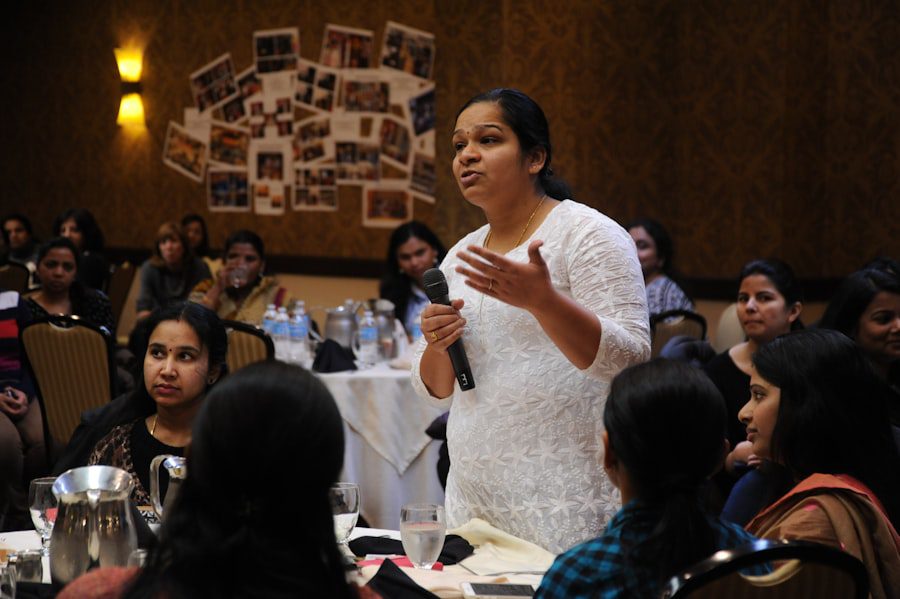
Encouraging open dialogue is essential for fostering an environment where diverse beliefs can be respected and understood. Classrooms should be spaces where students feel comfortable sharing their thoughts and experiences without fear of retribution or ridicule. Educators play a crucial role in facilitating these discussions by modeling respectful communication and guiding conversations in a constructive manner.
For example, teachers can use structured debate formats or Socratic seminars to encourage students to articulate their viewpoints while also considering opposing perspectives. Moreover, open dialogue allows students to confront their biases and assumptions about others. When students engage in discussions about sensitive topics such as religion, politics, or cultural practices, they have the opportunity to challenge stereotypes and broaden their understanding.
This process not only enhances critical thinking skills but also fosters a sense of community within the classroom. By creating a culture of open dialogue, educators empower students to become active participants in their learning journey, equipping them with the skills necessary for respectful engagement in a diverse society.
Providing Education on Different Belief Systems
Education on different belief systems is crucial for fostering respect and understanding among students. A well-rounded education should include comprehensive lessons on various religions, philosophies, and cultural practices. This can be achieved through interdisciplinary approaches that incorporate elements of social studies, literature, and even science.
For instance, exploring the ethical teachings of different religions can provide students with insights into moral reasoning and decision-making processes across cultures. In addition to formal education, experiential learning opportunities can enhance students’ understanding of diverse belief systems. Field trips to places of worship or cultural centers can provide firsthand experiences that deepen students’ appreciation for different traditions.
Inviting guest speakers from various backgrounds to share their experiences can also enrich classroom discussions and provide authentic perspectives that textbooks alone cannot offer. By providing education on different belief systems, schools equip students with the knowledge necessary to navigate a pluralistic society with respect and empathy.
Addressing Bias and Stereotypes
Addressing bias and stereotypes is a critical aspect of fostering respect for diverse beliefs within educational settings. Bias often stems from misinformation or lack of exposure to different cultures and ideologies. Educators must actively work to identify and challenge these biases within themselves and their students.
This can involve incorporating lessons that specifically address common stereotypes associated with various groups, providing factual information that counters misconceptions. Furthermore, creating opportunities for self-reflection is essential in this process. Students should be encouraged to examine their own beliefs and biases critically.
Activities such as journaling or group discussions focused on personal experiences with diversity can help students recognize their preconceived notions and understand how these may affect their interactions with others. By addressing bias head-on, educators not only promote a more respectful environment but also empower students to become advocates for inclusivity in their communities.
Promoting Empathy and Understanding
Introduction to Empathy in Education
Promoting empathy is integral to fostering respect for diverse beliefs among students. Empathy allows individuals to connect with others on a human level, transcending differences in ideology or culture. Educators can cultivate empathy through various strategies, such as role-playing exercises or literature that explores the lives of individuals from different backgrounds.
Cultivating Empathy Through Experience
By stepping into someone else’s shoes, students can gain insights into the challenges faced by others and develop a deeper understanding of their experiences. Additionally, service-learning projects can provide practical opportunities for students to engage with diverse communities. By participating in initiatives that support marginalized groups or address social issues, students can witness firsthand the impact of their actions on others’ lives.
Empathy and Civic Responsibility
These experiences not only foster empathy but also encourage civic responsibility and active participation in society. When students learn to empathize with those who hold different beliefs, they are better equipped to engage respectfully and constructively in discussions about diversity.
Conclusion and Future Implications
By incorporating empathy-building strategies into educational curricula, educators can help create a more compassionate and inclusive learning environment. This, in turn, can have a positive impact on students’ ability to navigate complex social issues and interact with people from diverse backgrounds, ultimately contributing to a more harmonious and respectful society.
Supporting Students in Expressing Their Beliefs
Supporting students in expressing their beliefs is essential for creating an inclusive educational environment. Students should feel empowered to share their perspectives without fear of backlash or discrimination. Educators can facilitate this by establishing clear guidelines for respectful discourse and encouraging students to articulate their thoughts during discussions or presentations.
Providing platforms for expression—such as school newspapers, art projects, or debate teams—can also give students opportunities to voice their beliefs creatively. Moreover, it is important for educators to recognize the unique challenges faced by students from marginalized backgrounds when expressing their beliefs. Creating safe spaces where these students can share their experiences without judgment is crucial for fostering an inclusive atmosphere.
This might involve forming affinity groups or support networks that allow students to connect with peers who share similar backgrounds or experiences. By actively supporting all students in expressing their beliefs, educators contribute to a culture of respect and understanding within the school community.
Collaborating with Families and Communities
Collaboration with families and communities is vital for reinforcing respect for diverse beliefs beyond the classroom walls. Schools should actively engage parents and guardians in discussions about diversity and inclusion, recognizing that families play a crucial role in shaping children’s values and beliefs. Organizing workshops or informational sessions that address cultural competence can help families understand the importance of fostering respect for diversity at home.
Additionally, partnerships with community organizations can enhance educational efforts related to diverse beliefs. Schools can collaborate with local cultural centers, religious institutions, or advocacy groups to provide resources and support for both educators and families. These partnerships can facilitate events such as cultural fairs or interfaith dialogues that promote understanding among different groups within the community.
By working together with families and communities, schools create a holistic approach to fostering respect for diverse beliefs that extends beyond the classroom and into the broader society.