
The Gospel of the Kingdom: Understanding Covenant and Community
This series on the Gospel of the Kingdom reaches its final chapter, exploring the profound themes of covenant and community. Today, we delve into how these concepts are intertwined and how they shape our understanding of the Kingdom of God. Let’s unpack the essence of our faith and the importance of living in a covenant community.
The Essence of the Kingdom
At the heart of our faith lies the Gospel of the Kingdom, a narrative that encompasses every story in Scripture. This overarching story reveals God’s intention for our lives and history. The word “kingdom” is crucial; where there is a kingdom, there is also a king. Our King, Jesus, rules His kingdom through the law of love, guiding us to love God with our whole being and to love our neighbors as ourselves.

The atmosphere of heaven is what we strive to bring to earth. It’s not merely about being declared righteous but embodying righteousness. Righteousness, peace, and joy in the Holy Spirit define the Kingdom of God. This is not a dull existence; it is vibrant and transformative.
The Importance of Covenant Community
During our discussions, the idea of covenant community emerged as a vital context for spiritual growth. In a covenant community, we learn to extend grace, show mercy, and forgive one another. It’s a safe space where we can be imperfect and still be loved. The ministry of the devil, characterized as the accuser of the brethren, contrasts sharply with the ministry of Christ, which encourages and uplifts.
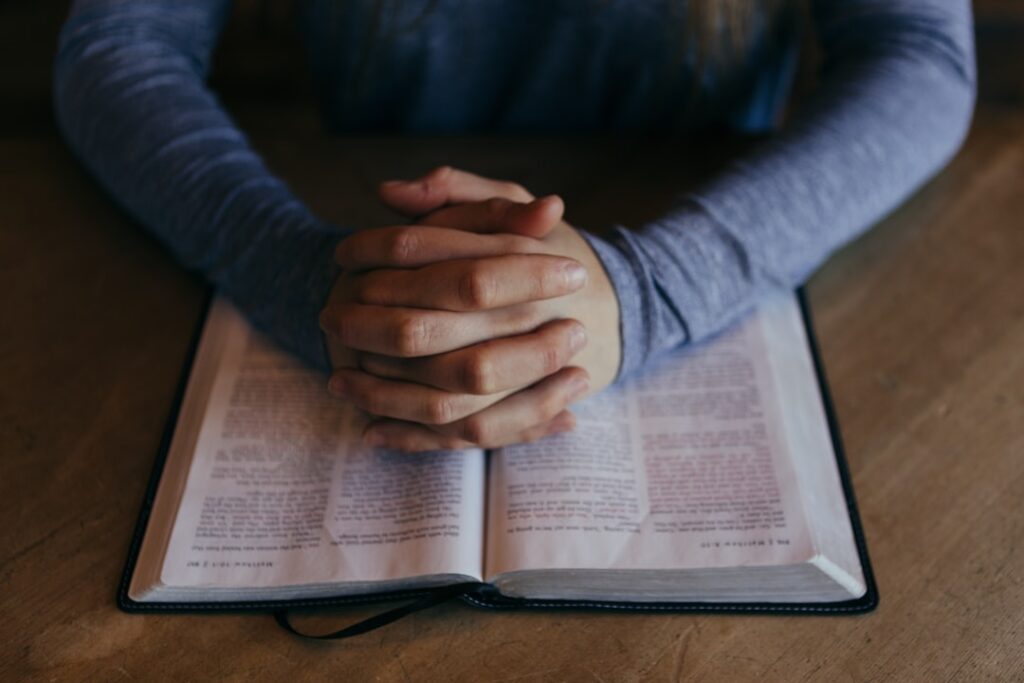
Photo by Patrick Fore on Unsplash
In a true Christian community, we should feel safe to mess up without fear of condemnation. This is where we grow into the likeness of Christ. Authentic relationships challenge us to confront our flaws while reminding us of our inherent worth.
The Role of the Holy Spirit
The Holy Spirit plays a pivotal role in executing God’s will on earth. If you haven’t been baptized in the Holy Spirit, you’re missing out on the empowering experience that transforms Christianity from a mere intellectual exercise into a vibrant, life-changing journey. The command to be continually filled with the Holy Spirit emphasizes the need for ongoing empowerment to love, forgive, and show grace.

Photo by Ashley Batz on Unsplash
When we stop being filled with the Holy Spirit, we risk slipping back into a mindset aligned with the accuser, rather than that of Christ. As we reflect on our lives and recognize areas contrary to Christ’s teachings, we must remember that our Father is eager to give us the Holy Spirit when we ask.
The Story of Gibeon: A Lesson in Covenant
Let’s turn to the story of the Gibeonites, a significant narrative that illustrates the power of covenant. The people of Gibeon, aware of Israel’s conquests, cunningly approached the Israelites pretending to be from a distant land, seeking to forge a covenant. Despite their deceit, the Israelites made a covenant with them without seeking God’s counsel.
This story raises the question: how does God respond to a foolish covenant? Remarkably, He backs it up with grace and power. When the Gibeonites called upon Israel for help against their enemies, Joshua honored the covenant, and God intervened with miraculous signs. This narrative shows us that God’s grace can uphold our commitments, even when they stem from human folly.
The Shift in Covenants
We must also understand the shift from the Old Covenant to the New Covenant. Hebrews 7:11-13 reveals this transition, emphasizing that the law’s structure has changed with the coming of Christ. The moral law remains, but the way we relate to God has transformed. The barriers that once separated us from God have been dismantled through Christ’s sacrifice.

Photo by Ian Schneider on Unsplash
In this new covenant, we are invited to participate in a relationship with God that is intimate and transformative. We are not merely subjects of a king but beloved children of the Father, called to act in accordance with His will.
The Family, Church, and State: A Biblical Perspective
In God’s design, three institutions operate under His authority: the family, the church, and the state. Each is intended to reflect His love and governance. The family serves as the foundational unit for nurturing individuals, while the church is the community where believers grow and are equipped to fulfill their purpose in the world.

Photo by Ben White on Unsplash
As we engage with the world, we must remember that we are representatives of the Kingdom of God. Our actions, relationships, and commitments reflect His love and truth. This is particularly crucial as we navigate the complexities of modern society, where individualism often undermines the communal aspects of faith.
Restoring Covenant Relationships
To fulfill our mission, we must restore the concept of covenant relationships within our communities. This means committing to one another, loving one another, and working through conflicts together. When we enter into covenant, we are bound to one another, which encourages growth and maturity.

Photo by Hannah Busing on Unsplash
In this context, we learn to forgive, show mercy, and bear each other’s burdens. A covenant community is not just a gathering; it’s a family where we grow into the fullness of Christ. When we face challenges, we must remember that these are opportunities for growth, not reasons to flee.
The Church’s Role in Society
The church is called to be a beacon of hope in a world that often feels lost. We must embody the love and grace of Christ, reaching out to those who feel marginalized or rejected. Our mission extends beyond the walls of the church; it encompasses every aspect of life.

Photo by Rosie Sun on Unsplash
As we engage with societal issues, we must do so from a place of love and truth, reflecting the Kingdom of God in our actions. The hope we have in Christ is not just for ourselves but for the entire world. We are called to be agents of transformation, bringing healing and restoration wherever we go.
Conclusion: Living as a Covenant Community
As we conclude this series on the Gospel of the Kingdom, let us remember that we are part of something greater than ourselves. We live in a covenant relationship with God and with one another. This covenant empowers us to love, serve, and grow together, reflecting the beauty of the Kingdom of God.

Photo by Vonecia Carswell on Unsplash
Let us embrace our identity as a people of the covenant, committed to living out the principles of love and grace in our daily lives. The world is watching, and as we embody the atmosphere of heaven on earth, we can be a powerful witness to the transformative love of Christ.
May we be filled with hope and purpose as we seek to live in accordance with God’s will, building a community that reflects His love and grace in every aspect of life.