
The Kingdom of God is a profound and multifaceted concept that permeates the teachings of Jesus Christ and the broader narrative of the Bible. It is not merely a geographical location or a future event; rather, it represents a dynamic realm where God’s sovereignty is acknowledged and His will is actively pursued. The Kingdom is often described as both a present reality and a future hope, encapsulating the idea that while God’s reign is already established in the hearts of believers, its full manifestation awaits the culmination of history.
This duality invites individuals to engage with the Kingdom in their daily lives, recognizing that they are part of a divine narrative that transcends earthly limitations. In the Gospels, Jesus frequently spoke about the Kingdom using parables, illustrating its nature and characteristics. For instance, in Matthew 13, He compares the Kingdom to a mustard seed, which, though small at first, grows into a large tree, symbolizing how God’s Kingdom can start from humble beginnings and expand beyond expectations.
Similarly, He likens it to yeast that permeates dough, indicating that the influence of the Kingdom can transform society from within. These metaphors highlight the organic and transformative nature of the Kingdom, emphasizing that it is not confined to religious institutions but is meant to infiltrate every aspect of life. Understanding the Kingdom of God requires a shift in perspective—seeing it as an active force for good that invites participation rather than a distant promise awaiting fulfillment.
Key Takeaways
- The Kingdom of God is a spiritual reality that transcends earthly boundaries and is characterized by righteousness, peace, and joy in the Holy Spirit.
- Signs of the Kingdom can be recognized through acts of love, compassion, and justice, as well as the demonstration of supernatural power and authority.
- Embracing the mindset of the Kingdom involves aligning our thoughts, attitudes, and values with those of the King, Jesus Christ, and seeking first His Kingdom and righteousness.
- Practicing Kingdom living entails living a life of obedience to God’s Word, walking in love and forgiveness, and stewarding the resources and gifts entrusted to us by God.
- Walking in authority and power involves understanding our identity as sons and daughters of God, operating in the gifts of the Holy Spirit, and exercising spiritual authority in prayer and intercession.
- Cultivating a Kingdom community involves building relationships based on love, unity, and mutual support, and working together to advance the Kingdom of God in our families, churches, and communities.
- Overcoming challenges in the Kingdom requires faith, perseverance, and reliance on the Holy Spirit, as well as seeking wise counsel and support from fellow believers.
- Sustaining a Kingdom lifestyle involves maintaining a consistent prayer and devotional life, staying connected to a local church community, and continually seeking to grow in spiritual maturity and fruitfulness.
Recognizing the Signs of the Kingdom
Recognizing the signs of the Kingdom involves discerning the manifestations of God’s reign in the world around us. Throughout Scripture, various indicators point to the presence of the Kingdom, such as acts of compassion, justice, and reconciliation. In Luke 4:18-19, Jesus articulates His mission by quoting Isaiah, proclaiming good news to the poor, freedom for prisoners, recovery of sight for the blind, and setting the oppressed free.
These actions serve as tangible signs of the Kingdom’s arrival and reflect God’s heart for humanity. When believers engage in similar acts of service and advocacy, they become conduits through which the Kingdom is revealed. Moreover, the signs of the Kingdom are often accompanied by spiritual fruit that reflects God’s character.
Galatians 5:22-23 outlines these fruits—love, joy, peace, patience, kindness, goodness, faithfulness, gentleness, and self-control. When individuals embody these qualities in their interactions with others, they not only demonstrate the reality of the Kingdom but also invite others to experience its transformative power. Recognizing these signs requires spiritual discernment and an openness to seeing God’s work in unexpected places.
It challenges believers to look beyond conventional markers of success or influence and to appreciate the subtle yet profound ways in which God’s Kingdom is advancing in their communities.
Embracing the Mindset of the Kingdom

Embracing the mindset of the Kingdom involves adopting a perspective that aligns with God’s values and priorities. This mindset is characterized by humility, servanthood, and a commitment to love others unconditionally. Jesus exemplified this mindset throughout His ministry, often turning societal norms upside down.
For instance, in Matthew 20:26-28, He teaches His disciples that greatness in His Kingdom is not defined by power or authority but by serving others. This radical redefinition challenges individuals to reconsider their ambitions and motivations, inviting them to seek significance through acts of service rather than personal gain. Furthermore, embracing a Kingdom mindset requires a deep reliance on faith rather than fear.
In a world filled with uncertainty and challenges, believers are called to trust in God’s provision and guidance. Philippians 4:6-7 encourages individuals not to be anxious but to present their requests to God with thanksgiving, promising that His peace will guard their hearts and minds. This mindset fosters resilience and hope, enabling believers to navigate life’s difficulties with confidence in God’s sovereignty.
By cultivating a perspective rooted in faith and service, individuals can contribute to a culture that reflects the values of the Kingdom and inspires others to join in its mission.
Practicing Kingdom Living
Practicing Kingdom living means actively embodying the principles and values of God’s Kingdom in everyday life. This involves making intentional choices that reflect love, justice, and mercy in all interactions. For example, engaging in acts of kindness—whether through volunteering at local shelters or advocating for social justice—demonstrates a commitment to living out one’s faith in tangible ways.
The parable of the Good Samaritan (Luke 10:25-37) serves as a powerful reminder that true neighborly love transcends cultural boundaries and societal expectations. Practicing Kingdom living calls for believers to step outside their comfort zones and respond to the needs of those around them. Additionally, practicing Kingdom living encompasses fostering relationships that reflect God’s love and grace.
This includes building authentic connections within one’s community and church family while also reaching out to those who may feel marginalized or excluded. Acts 2:44-47 describes the early church as a community marked by shared resources and mutual support, illustrating how Kingdom living creates an environment where individuals can thrive together. By prioritizing relationships and community engagement, believers can create spaces where God’s love is experienced and shared, further advancing the mission of the Kingdom.
Walking in Authority and Power
Walking in authority and power is an essential aspect of living as citizens of the Kingdom. Jesus commissioned His followers to carry out His work on earth, empowering them with authority over spiritual forces and calling them to proclaim the good news (Matthew 28:18-20). This authority is not based on personal merit but on the identity believers have as children of God.
Understanding this identity enables individuals to walk confidently in their God-given authority, confronting injustice and darkness with boldness. Moreover, walking in power involves being attuned to the Holy Spirit’s leading and guidance. The Spirit equips believers with spiritual gifts intended for building up the body of Christ and advancing God’s purposes (1 Corinthians 12:4-11).
These gifts—such as healing, prophecy, teaching, and discernment—are manifestations of God’s power at work within His people. Engaging with these gifts requires faith and willingness to step out in obedience, trusting that God will use them for His glory. As believers walk in authority and power, they become agents of change in their communities, reflecting the transformative nature of the Kingdom.
Cultivating a Kingdom Community
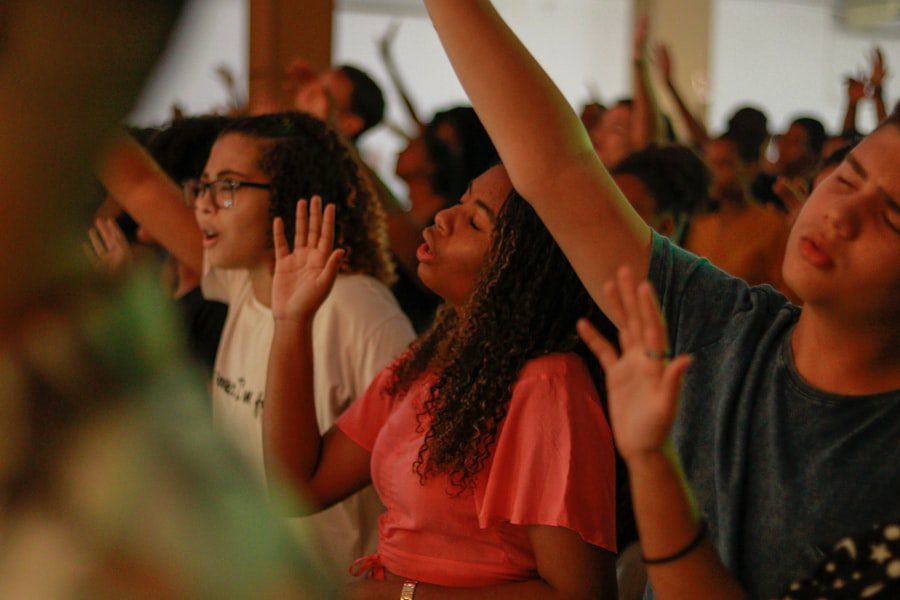
Cultivating a Kingdom community involves creating an environment where individuals can grow spiritually while supporting one another in their journeys of faith. This community is characterized by inclusivity, love, and accountability—values that reflect the heart of God for His people. In John 13:34-35, Jesus commands His followers to love one another as He has loved them; this love serves as a distinguishing mark of true discipleship.
A thriving Kingdom community fosters relationships built on trust and vulnerability, allowing members to share their struggles and triumphs openly. Additionally, cultivating a Kingdom community requires intentionality in fostering unity amidst diversity. The early church exemplified this by bringing together individuals from various backgrounds—Jews and Gentiles alike—into one body (Ephesians 2:14-16).
This unity was not merely superficial but rooted in a shared identity in Christ. In contemporary contexts, cultivating such unity may involve addressing cultural differences and engaging in conversations about race, class, and gender within church settings. By embracing diversity as a reflection of God’s creativity and purpose, communities can more fully embody the richness of the Kingdom.
Overcoming Challenges in the Kingdom
Overcoming challenges within the context of the Kingdom is an inevitable part of spiritual growth and community life. Believers may face various obstacles—personal struggles with sin or doubt, relational conflicts within their communities, or external pressures from society at large. However, these challenges can serve as opportunities for deeper reliance on God and greater maturity in faith.
Romans 5:3-5 reminds believers that suffering produces perseverance; perseverance leads to character; character leads to hope—a hope that does not disappoint because it is rooted in God’s love. Moreover, overcoming challenges requires a commitment to reconciliation and forgiveness within communities. Disagreements are natural among diverse groups; however, how these disagreements are handled can either strengthen or fracture relationships.
Matthew 18:15-17 provides guidance on addressing conflicts directly while maintaining respect for one another’s dignity. By approaching conflicts with humility and a desire for restoration rather than division, believers can model Christ-like behavior that reflects the values of the Kingdom even amidst adversity.
Sustaining a Kingdom Lifestyle
Sustaining a Kingdom lifestyle necessitates ongoing commitment and intentionality in nurturing one’s relationship with God and others. Spiritual disciplines such as prayer, study of Scripture, worship, and fellowship play crucial roles in maintaining this lifestyle. Engaging regularly with these practices helps believers remain grounded in their identity as citizens of the Kingdom while equipping them for service in their communities.
For instance, prayer not only fosters intimacy with God but also aligns one’s heart with His purposes for justice and mercy. Furthermore, sustaining a Kingdom lifestyle involves continual reflection on one’s actions and motivations. Believers are called to examine their lives regularly through prayerful introspection and accountability within their communities (2 Corinthians 13:5).
This process encourages growth by identifying areas where one may be falling short or becoming complacent. By remaining open to correction and seeking opportunities for growth—whether through mentorship or participation in small groups—individuals can cultivate resilience against spiritual stagnation while actively contributing to advancing God’s Kingdom on earth. In summary, understanding and engaging with the concept of the Kingdom of God invites believers into a transformative journey marked by love, service, authority, community-building efforts amidst challenges—all sustained through intentional practices rooted in faithfulness to God’s calling.