
The Kingdom of God: A Journey of Faith and Understanding
In our exploration of the Kingdom of God, we delve into the profound insights shared by Bishop Ron Rhea. His teachings remind us that the Kingdom is not merely a place or a concept but a reality that resides within us as believers. This post aims to unpack the core messages from his sermon, emphasizing the importance of seeking the Kingdom first and understanding our role within it.
Understanding the Kingdom of God
The Kingdom of God is often described as being at hand, as stated in Mark 1:14. This declaration signifies that the time has come for a divine shift—a shift that invites us to recognize our identity as the church and the embodiment of the Kingdom. When we accept Christ and are born again, we are not just recipients of salvation; we become vessels through which the Kingdom operates.

Photo by John Price on Unsplash
So, what does it mean to say the Kingdom is in us? It means we are called to actively participate in God’s work on earth. This participation requires us to shift our focus from seeking miracles or blessings to seeking the Kingdom itself. As Matthew 6:33 states, “But seek first the kingdom of God and His righteousness, and all these things shall be added to you.” It’s a call to prioritize our relationship with God above all else.
The Importance of Seeking First
As believers, we often find ourselves caught in the cycle of seeking blessings or miracles. However, Bishop Rhea emphasizes that true fulfillment comes from seeking the Kingdom and His righteousness. This is where our identity lies—not in the miracles we receive but in our relationship with the King.
When we focus on the Kingdom, we begin to understand that God’s awareness of our needs surpasses our understanding. He knows what we need even before we ask (Matthew 6:8). By placing our trust in Him, we can experience peace and deliverance in every aspect of our lives.
Photo by adrianna geo on Unsplash
Love as the Foundation of the Kingdom
In Matthew 22:37, Jesus outlines the greatest commandment: “You shall love the Lord your God with all your heart, with all your soul, and with all your mind.” This commandment is intricately tied to seeking the Kingdom. To love God fully is to seek Him wholeheartedly, which, in turn, aligns us with His purposes.
Moreover, the second commandment—to love our neighbor as ourselves—reinforces the community aspect of the Kingdom. We are not called to live in isolation but to engage with one another, fostering a spirit of love and unity. This love is the hallmark of the Kingdom and the evidence of our faith.

Photo by Hannah Busing on Unsplash
The Parables of the Kingdom
Jesus often used parables to illustrate the nature of the Kingdom. One such parable is that of the sower, which depicts the Kingdom as a seed that grows in diverse environments. The growth of the seed represents the transformative power of the Kingdom in our lives. It is a reminder that while the Kingdom may start small, it has the potential to flourish and impact those around us.
Another powerful metaphor is that of the mustard seed. Though it is the smallest of all seeds, it grows into a large tree, symbolizing the expansive nature of the Kingdom. This growth is contingent upon our faith and willingness to seek the Kingdom above our own desires.
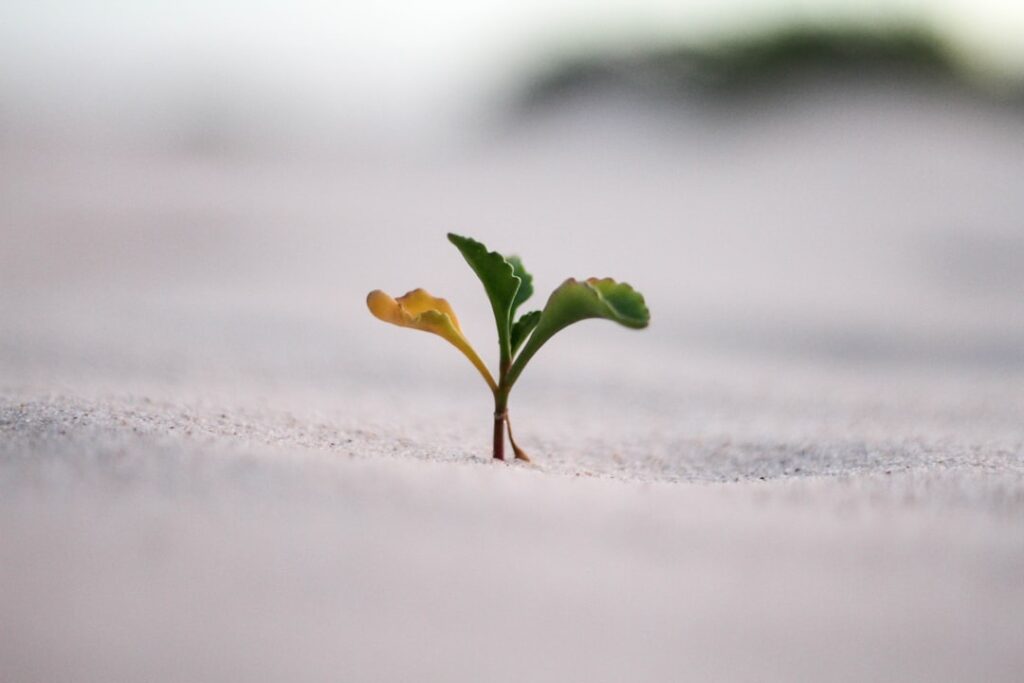
Photo by Jeremy Bishop on Unsplash
Entering the Kingdom
To enter the Kingdom of God, one must be willing to surrender all that they have. This includes letting go of idols and approaching God with the humility of a child. Jesus’ hyperbolic teachings, such as plucking out an eye or cutting off a hand, illustrate the seriousness of our commitment to the Kingdom (Matthew 5:29-30). These teachings are not to be taken literally but rather serve as a stark reminder of the lengths we must go to align our lives with God’s will.
The Role of the Church
The church serves as the earthly representation of the Kingdom of God. It is a community bound together by love, faith, and a shared mission to advance God’s purposes. However, Bishop Rhea warns against the pitfalls of a mechanical, ritualistic approach to church life. The Kingdom is meant to be vibrant and alive, not static or merely transactional.

Photo by Priscilla Du Preez 🇨🇦 on Unsplash
Character and the Kingdom
As we navigate our journey in the Kingdom, our character plays a crucial role in our witness to the world. The essence of the Kingdom is not found in external appearances or rituals but in the integrity of our hearts. Our character must reflect the values of the Kingdom—love, compassion, humility, and service.
In a world that often prioritizes self-interest, we are called to demonstrate the radical love of Christ. This means engaging with those around us, advocating for justice, and being a voice for the voiceless. It is through these actions that we can effectively represent the Kingdom of God on earth.
Photo by Jack Sharp on Unsplash
Challenges in the Kingdom
Living in the Kingdom is not without its challenges. There will be times when we face opposition, misunderstandings, or discouragement. However, these moments serve as opportunities for growth and deeper reliance on God. Bishop Rhea encourages us to embrace these challenges as part of our journey, knowing that they shape our character and strengthen our faith.
Conclusion: Embracing the Kingdom Today
As we conclude this exploration of the Kingdom of God, let us remember that it is not a distant reality but one that is present within us. We are called to seek the Kingdom first, to love God wholeheartedly, and to engage with our community in meaningful ways. Our journey in the Kingdom is a continuous process of growth, revelation, and transformation.
Let us commit to living out the principles of the Kingdom in our daily lives, understanding that we are not just recipients of God’s grace but active participants in His divine plan. Together, as the church, we can embody the love and light of Christ, bringing hope and healing to a world in need.

Photo by Tim Mossholder on Unsplash
May we always seek first the Kingdom of God and His righteousness, trusting that He will provide for our every need as we walk in faith.