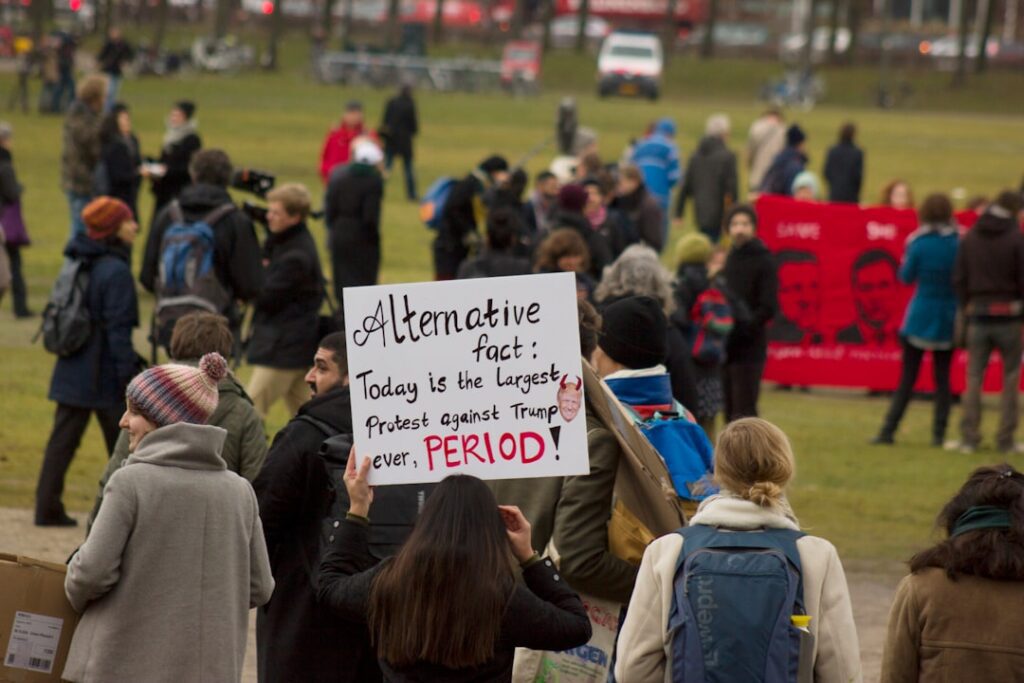
Free speech is often heralded as a cornerstone of democratic societies, serving as a fundamental right that enables individuals to express their thoughts, opinions, and beliefs without fear of retribution. This principle is not merely an abstract ideal; it is essential for the functioning of a healthy society. The ability to voice dissenting opinions fosters a culture of debate and discussion, which is crucial for the evolution of ideas and the advancement of knowledge.
When individuals can freely express themselves, they contribute to a marketplace of ideas where diverse perspectives can be considered, challenged, and refined. This dynamic process is vital for social progress and innovation. Moreover, free speech acts as a safeguard against tyranny and oppression.
Historically, regimes that suppress free expression often do so to maintain control over the populace. By stifling dissent, these governments can perpetuate their power without accountability. In contrast, societies that uphold free speech tend to be more resilient against authoritarianism.
Citizens who can speak out against injustices are more likely to mobilize for change, advocate for their rights, and hold their leaders accountable. Thus, free speech is not only important for individual expression but also for the collective health of society.
Key Takeaways
- Free speech is essential for a functioning democracy and the exchange of diverse ideas.
- The history of free speech dates back to ancient Greece and has evolved over time.
- Threats to free speech include government censorship, hate speech, and online harassment.
- Technology has both expanded and threatened free speech, with social media platforms playing a significant role.
- Governments have a responsibility to protect free speech and ensure that laws and regulations do not infringe upon it.
The History of Free Speech
The concept of free speech has deep historical roots, tracing back to ancient civilizations where philosophers like Socrates and Plato debated the nature of truth and the role of the individual in society. However, it was during the Enlightenment that the idea began to crystallize into a recognized right. Thinkers such as John Locke and Voltaire championed the notion that individuals should have the freedom to express their thoughts without fear of censorship or punishment.
Their writings laid the groundwork for modern democratic principles and influenced the development of legal frameworks that protect free speech. The evolution of free speech continued through significant historical milestones, such as the signing of the United States Constitution in 1787, which included the First Amendment guaranteeing freedom of speech. This legal protection was revolutionary at the time, establishing a precedent that would inspire other nations to adopt similar measures.
Over the years, various movements have emerged advocating for broader interpretations of free speech, including civil rights movements that sought to dismantle systemic racism and promote equality. These historical developments illustrate how free speech has been integral to social change and the pursuit of justice.
The Threats to Free Speech
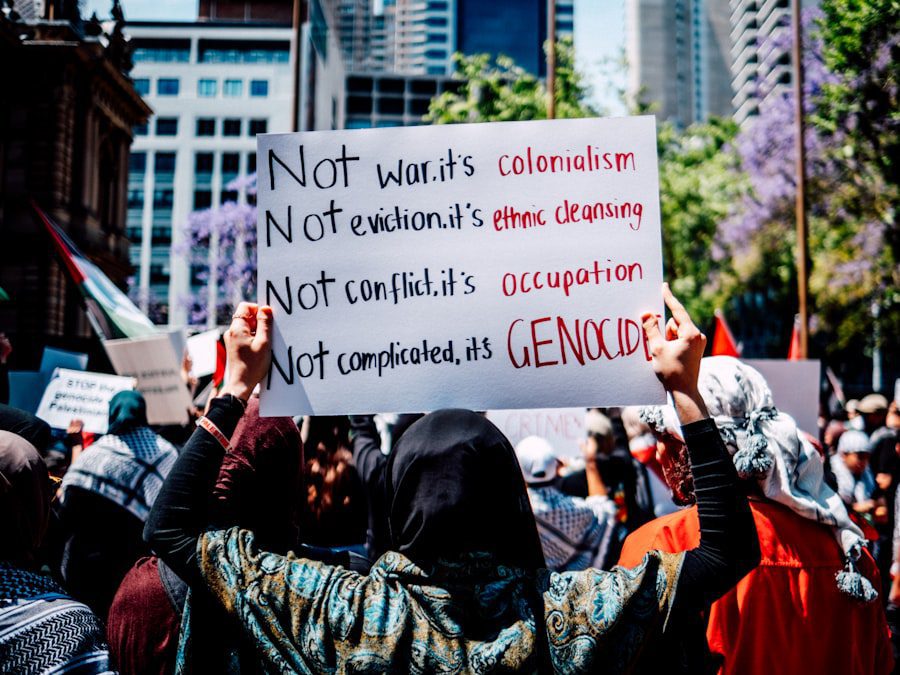
Despite its importance, free speech faces numerous threats in contemporary society. One significant challenge comes from governmental overreach, where authorities impose restrictions on what can be said or published. In many countries, laws against hate speech or defamation are often misused to silence dissenting voices or marginalized groups.
Such legal frameworks can create a chilling effect, where individuals self-censor out of fear of repercussions. This erosion of free expression undermines democratic principles and stifles necessary discourse on critical issues. In addition to governmental threats, societal pressures also pose significant challenges to free speech.
The rise of political correctness has led to an environment where individuals may feel compelled to conform to prevailing social norms at the expense of honest dialogue. This phenomenon can manifest in various ways, from social media backlash against controversial opinions to informal ostracism in professional settings. While promoting respectful discourse is essential, it is equally important to ensure that this does not devolve into a culture of silence where only certain viewpoints are deemed acceptable.
The Role of Technology in Free Speech
Technology has dramatically transformed the landscape of free speech in recent years, providing new platforms for expression while simultaneously introducing complex challenges. The internet has democratized access to information and allowed individuals from diverse backgrounds to share their perspectives with a global audience. Social media platforms like Twitter and Facebook have become vital tools for activism, enabling movements such as Black Lives Matter and #MeToo to gain traction and mobilize support across borders.
These platforms empower individuals to raise awareness about social injustices and engage in discussions that might otherwise be marginalized. However, technology also presents significant challenges to free speech. The same platforms that facilitate open dialogue can also be used to spread misinformation, hate speech, and extremist ideologies.
The algorithms that govern social media often prioritize sensational content over nuanced discussions, leading to echo chambers where users are exposed only to viewpoints that reinforce their beliefs. Additionally, concerns about data privacy and surveillance raise questions about who controls the narrative and how information is disseminated. As technology continues to evolve, finding a balance between promoting free expression and mitigating harmful content remains a pressing challenge.
The Responsibility of Government in Preserving Free Speech
Governments play a crucial role in safeguarding free speech rights within their jurisdictions. This responsibility entails not only enacting laws that protect individuals’ rights to express themselves but also ensuring that these laws are applied fairly and consistently. Governments must resist the temptation to impose restrictions on speech under the guise of protecting public order or national security.
Instead, they should foster an environment where diverse opinions can be expressed freely, even if those opinions are unpopular or controversial. Moreover, governments must actively combat censorship and promote transparency in their operations. This includes holding accountable those who attempt to suppress dissenting voices through intimidation or violence.
International human rights treaties emphasize the importance of free expression as a fundamental human right; thus, governments should align their policies with these principles. By prioritizing free speech, governments not only uphold democratic values but also contribute to a more informed and engaged citizenry capable of participating meaningfully in public discourse.
The Role of Education in Promoting Free Speech
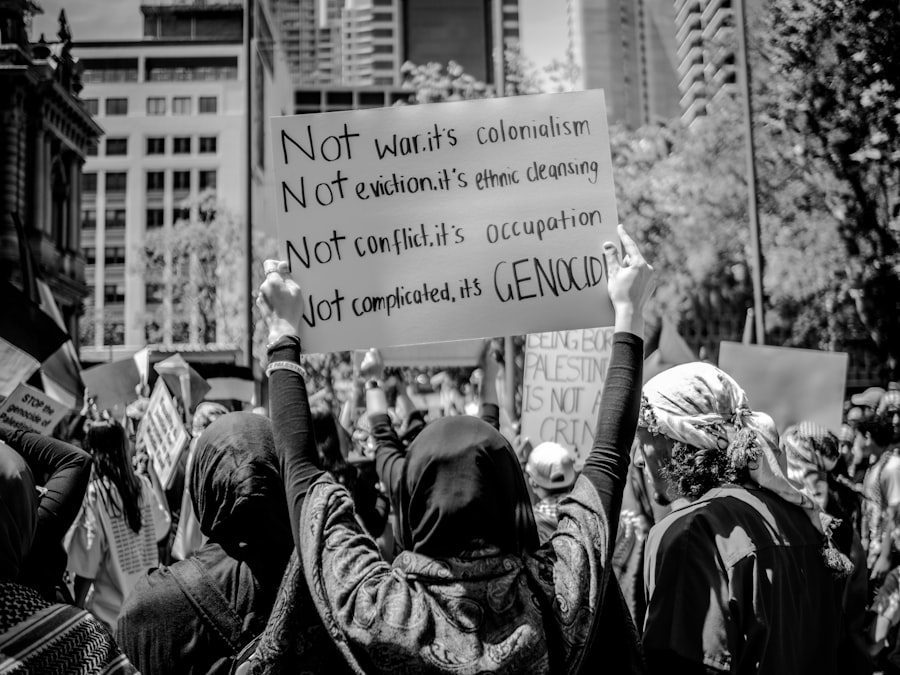
Education plays a pivotal role in fostering an understanding and appreciation of free speech among individuals. Schools and universities serve as critical environments where students can engage with diverse ideas and learn how to articulate their thoughts effectively. A curriculum that emphasizes critical thinking, debate, and open dialogue equips students with the skills necessary to navigate complex social issues and engage respectfully with differing viewpoints.
By encouraging students to explore controversial topics in a safe environment, educational institutions can cultivate a generation that values free expression. Furthermore, education should also address the responsibilities that come with free speech. Teaching students about the ethical implications of their words and actions fosters a sense of accountability in their expressions.
Discussions about the impact of hate speech, misinformation, and online behavior can help students understand the consequences of their words in both digital and physical spaces. By instilling these values early on, educational institutions can empower individuals to become thoughtful contributors to society who respect both their own rights and those of others.
The Impact of Censorship on Free Speech
Censorship poses a significant threat to free speech by limiting access to information and stifling diverse perspectives. When governments or institutions impose restrictions on what can be said or published, they create an environment where only certain narratives are allowed to flourish. This not only undermines individual rights but also deprives society of valuable insights that could lead to progress and understanding.
Censorship can take many forms, from outright bans on specific topics to more subtle pressures that discourage open discussion. The consequences of censorship extend beyond individual expression; they can have far-reaching implications for society as a whole. When dissenting voices are silenced, critical issues may go unaddressed, leading to societal stagnation or regression.
For instance, historical examples such as the censorship during totalitarian regimes illustrate how suppressing free expression can result in widespread ignorance and complicity among citizens. In contrast, societies that embrace open dialogue tend to be more innovative and adaptable, as they can draw from a rich tapestry of ideas and experiences.
The Future of Free Speech
As we look toward the future, the landscape of free speech will likely continue to evolve in response to technological advancements and shifting societal norms. The rise of artificial intelligence and machine learning presents both opportunities and challenges for free expression. On one hand, these technologies can enhance access to information and facilitate new forms of communication; on the other hand, they raise concerns about surveillance and algorithmic bias that could further entrench existing inequalities.
Moreover, as global interconnectedness increases through digital platforms, issues surrounding free speech will become increasingly complex. Different cultures have varying interpretations of what constitutes acceptable speech; thus, navigating these differences will require careful consideration and dialogue among nations. International cooperation will be essential in addressing challenges such as online hate speech while respecting cultural sensitivities.
Ultimately, the future of free speech will depend on our collective commitment to uphold this fundamental right while addressing its complexities responsibly. As individuals continue to advocate for their rights and engage in meaningful discourse, it is imperative that we remain vigilant against threats to free expression while fostering an environment where diverse voices can thrive.