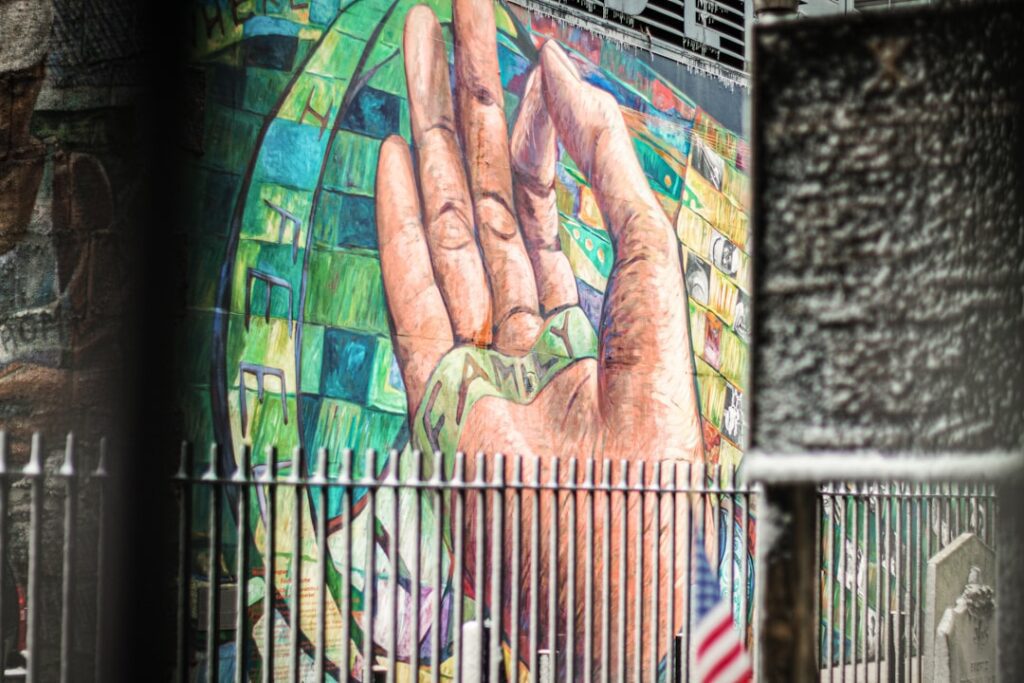
Shared human values are the fundamental beliefs and principles that resonate across cultures, societies, and geographical boundaries. These values serve as the bedrock of human interaction, guiding behavior and fostering connections among individuals. They encompass a wide range of ideals, including respect, compassion, justice, and integrity, which are often seen as essential for harmonious coexistence.
The recognition of these shared values is crucial in an increasingly interconnected world, where diverse cultures and perspectives converge. As globalization continues to shape our societies, understanding and embracing these common values can lead to more meaningful relationships and a greater sense of community. The concept of shared human values is not merely an abstract philosophical idea; it has practical implications for how we navigate our daily lives.
In a world rife with conflict and division, these values can act as a unifying force, reminding us of our common humanity. They encourage us to look beyond superficial differences and recognize the underlying similarities that bind us together. By fostering a culture that prioritizes shared values, we can create environments that promote peace, understanding, and collaboration among individuals from various backgrounds.
Key Takeaways
- Shared human values are fundamental principles that are universally recognized and embraced by people across different cultures and societies.
- Recognizing and understanding shared human values is crucial for promoting empathy, unity, and cooperation in a diverse and interconnected world.
- Human values vary across different cultures and societies, and it is important to appreciate and respect this diversity in order to foster mutual understanding and respect.
- Despite the diversity of human values, there are universal values such as compassion, justice, and respect for human dignity that are shared by people around the world.
- Embracing our common humanity and promoting shared human values can have a positive impact on society by fostering inclusivity, tolerance, and cooperation among individuals and communities.
The Importance of Recognizing Shared Human Values
Discovering Common Ground
For instance, when people from different cultural backgrounds come together to discuss their beliefs about family, love, or community, they may discover that despite their differing customs and traditions, they share similar aspirations for happiness and fulfillment.
A Foundation for Conflict Resolution
Moreover, acknowledging shared human values can serve as a foundation for conflict resolution. In situations where tensions run high due to cultural misunderstandings or historical grievances, focusing on common values can provide a pathway toward reconciliation.
Paving the Way for Lasting Peace
For example, during peace negotiations in post-conflict societies, leaders often emphasize shared values such as justice and dignity to foster a sense of unity among opposing factions. By highlighting these commonalities, they can create an environment conducive to dialogue and compromise, ultimately paving the way for lasting peace.
Understanding the Diversity of Human Values

While shared human values are crucial for fostering unity, it is equally important to recognize the diversity of human values that exist across different cultures. Each society has its own unique set of beliefs and practices shaped by historical, social, and environmental factors. This diversity enriches the human experience and provides a broader perspective on what it means to live a fulfilling life.
For instance, while individualism may be highly valued in Western cultures, collectivism often takes precedence in many Eastern societies. Understanding these differences allows us to appreciate the richness of human experience while also identifying the common threads that connect us. The interplay between shared and diverse values can be complex.
On one hand, the existence of diverse values can lead to misunderstandings and conflicts; on the other hand, it can also foster creativity and innovation. For example, in multicultural societies, the blending of different value systems can result in new ways of thinking and problem-solving. This dynamic is evident in various fields such as art, cuisine, and technology, where cross-cultural exchanges have led to groundbreaking developments.
By embracing both shared and diverse values, we can cultivate a more inclusive society that respects individual differences while celebrating our common humanity.
Identifying Universal Human Values
Identifying universal human values is a critical step toward fostering global understanding and cooperation. Various organizations and scholars have attempted to delineate these values through research and dialogue. The United Nations Declaration of Human Rights is one such document that outlines fundamental rights and freedoms that are considered universal across cultures.
These rights include the right to life, liberty, and security; freedom from torture; and the right to education. Such declarations serve as a framework for promoting human dignity and equality worldwide. In addition to formal declarations, numerous studies have sought to identify core human values that resonate across cultures.
For instance, psychologist Shalom Schwartz developed a theory of basic human values that includes ten universal values such as benevolence, universalism, and self-direction. His research indicates that despite cultural differences, individuals prioritize these values in varying degrees based on their societal context. This suggests that while expressions of these values may differ, their underlying significance remains consistent across humanity.
Recognizing these universal values can help bridge cultural divides and foster a sense of global citizenship.
The Impact of Shared Human Values on Society
The impact of shared human values on society is profound and multifaceted. When communities embrace these values, they tend to experience greater social cohesion and stability. For example, societies that prioritize respect for human rights often enjoy lower levels of violence and crime.
This correlation can be observed in countries with strong legal frameworks that protect individual freedoms and promote social justice. In such environments, citizens are more likely to trust one another and engage in cooperative behaviors that benefit the community as a whole. Furthermore, shared human values can drive social change by inspiring collective action toward common goals.
Movements advocating for civil rights, environmental protection, or gender equality often draw upon shared values such as justice and fairness to mobilize support. The civil rights movement in the United States serves as a poignant example; leaders like Martin Luther King Jr. appealed to universal principles of equality and justice to galvanize public support for their cause.
By framing their struggle in terms of shared human values, they were able to transcend racial divides and unite people from various backgrounds in pursuit of a common objective.
Cultivating Empathy and Understanding

The Power of Educational Initiatives
Educational initiatives that promote empathy—such as programs encouraging students to learn about different cultures or participate in community service—can play a vital role in shaping future generations’ attitudes toward diversity.
The Impact of Storytelling
Moreover, storytelling serves as a powerful tool for cultivating empathy. By sharing personal narratives that highlight individual struggles and triumphs, people can bridge cultural gaps and foster understanding among diverse groups.
Initiatives that Foster Connection
For instance, initiatives like “StoryCorps” encourage individuals from different backgrounds to share their stories with one another, creating opportunities for connection and reflection. These exchanges not only humanize complex issues but also reinforce the idea that despite our differences, we all share similar hopes, dreams, and challenges.
Promoting Unity and Cooperation through Shared Human Values
Promoting unity and cooperation through shared human values requires intentional efforts at both individual and societal levels. Community-building initiatives that emphasize collaboration among diverse groups can help create spaces where shared values are celebrated. For example, interfaith dialogues bring together individuals from various religious backgrounds to discuss their beliefs while focusing on common ethical principles such as compassion and service to others.
These gatherings foster mutual respect and understanding while highlighting the importance of cooperation in addressing societal challenges. At the institutional level, organizations can play a pivotal role in promoting shared human values by embedding them into their missions and practices. Corporations that prioritize corporate social responsibility (CSR) often align their business strategies with universal values such as sustainability and ethical treatment of workers.
By doing so, they not only contribute positively to society but also inspire other organizations to adopt similar practices. This ripple effect can lead to broader societal changes as more entities recognize the importance of aligning their operations with shared human values.
Embracing Our Common Humanity
Embracing our common humanity through shared human values is not merely an idealistic notion; it is a practical necessity in today’s world. As we navigate complex global challenges—such as climate change, inequality, and conflict—the need for unity becomes increasingly apparent. By recognizing the shared values that bind us together, we can foster collaboration across cultural divides and work collectively toward solutions that benefit all of humanity.
Ultimately, embracing our common humanity requires ongoing commitment from individuals, communities, and institutions alike. It calls for active engagement in promoting empathy, understanding diversity, and identifying universal principles that resonate across cultures. As we strive to cultivate a world grounded in shared human values, we take meaningful steps toward creating a more just, compassionate, and harmonious society for generations to come.