
Unbelief is a complex and multifaceted phenomenon that can manifest in various forms, ranging from skepticism about religious doctrines to a general lack of trust in oneself or others. At its core, unbelief often stems from a deep-seated questioning of beliefs that have been traditionally accepted. This questioning can arise from personal experiences, societal influences, or intellectual challenges.
For many, the journey through unbelief is not merely a rejection of faith but rather an exploration of deeper truths and a search for authenticity in their beliefs. The roots of unbelief can often be traced back to formative experiences. For instance, an individual who has faced significant trauma may struggle to reconcile their suffering with the existence of a benevolent deity.
Similarly, exposure to diverse worldviews can lead to cognitive dissonance, where previously held beliefs are challenged by new information or perspectives. This internal conflict can create a fertile ground for doubt and skepticism, prompting individuals to reassess their convictions and the foundations upon which they stand.
Key Takeaways
- Unbelief can manifest as doubt, skepticism, or a lack of faith in something greater than oneself.
- Signs of unbelief may include a lack of hope, a negative outlook on life, and a sense of purposelessness.
- Unbelief can have a significant impact on mental and emotional well-being, leading to feelings of isolation and despair.
- Overcoming unbelief may involve seeking guidance from a trusted mentor or counselor, and actively challenging negative thought patterns.
- Building faith and resilience can be achieved through practices such as meditation, prayer, and surrounding oneself with a supportive community.
Signs of Unbelief
Identifying the signs of unbelief can be crucial for both individuals and communities seeking to address this issue. One prominent indicator is a pervasive sense of doubt that permeates one’s thoughts and actions. This doubt may manifest as a reluctance to engage in spiritual practices, such as prayer or meditation, or a disinterest in participating in communal worship.
Individuals may find themselves questioning the validity of religious texts or the teachings of spiritual leaders, leading to a sense of isolation from their faith community. Another sign of unbelief is the presence of cynicism or skepticism towards spiritual matters. This can be expressed through dismissive attitudes towards religious rituals or a tendency to view faith as outdated or irrelevant.
Such cynicism often stems from a desire for rationality and empirical evidence, which can clash with the more subjective and experiential aspects of faith. Additionally, individuals may experience emotional turmoil, feeling disconnected from their spiritual roots while simultaneously yearning for meaning and connection.
The Impact of Unbelief

The impact of unbelief can be profound and far-reaching, affecting not only the individual but also their relationships and community dynamics. On a personal level, grappling with unbelief can lead to feelings of anxiety, depression, and existential dread. The uncertainty that accompanies doubt can create a sense of instability, making it difficult for individuals to find peace or purpose in their lives.
This internal struggle can also lead to a withdrawal from social interactions, as individuals may feel misunderstood or judged by those who hold differing beliefs. In a broader context, unbelief can influence community cohesion and collective identity. When individuals within a faith community begin to express doubts or question core tenets, it can create rifts and divisions.
Some members may respond with defensiveness or hostility, while others may feel compelled to leave the community altogether. This fragmentation can weaken the social fabric that binds individuals together, leading to a loss of shared values and mutual support. The challenge lies in navigating these tensions while fostering an environment that encourages open dialogue and exploration of faith.
Overcoming Unbelief
Overcoming unbelief is often a deeply personal journey that requires introspection, courage, and a willingness to confront uncomfortable truths. One effective approach is to engage in critical self-reflection, examining the sources of doubt and the underlying beliefs that contribute to feelings of unbelief. This process may involve journaling, meditation, or discussions with trusted friends or mentors who can provide guidance and support.
By articulating one’s doubts and fears, individuals can begin to demystify their feelings and gain clarity on what they truly believe. Another powerful strategy for overcoming unbelief is to seek out experiences that foster spiritual growth and renewal. This could involve participating in retreats, attending workshops, or immersing oneself in nature—activities that encourage contemplation and connection with something greater than oneself.
Engaging with diverse perspectives through literature, art, or dialogue with individuals from different backgrounds can also broaden one’s understanding and challenge preconceived notions. These experiences can serve as catalysts for transformation, reigniting a sense of wonder and curiosity about faith.
Seeking Help for Unbelief
Recognizing the need for help in addressing unbelief is an important step toward healing and growth. Many individuals find solace in seeking guidance from spiritual leaders or counselors who specialize in faith-related issues. These professionals can provide valuable insights and tools for navigating the complexities of doubt while offering a safe space for exploration without judgment.
Engaging in therapy or spiritual direction can help individuals articulate their struggles and develop coping strategies tailored to their unique circumstances. Support groups can also play a vital role in addressing unbelief. Connecting with others who share similar experiences fosters a sense of community and belonging.
In these settings, individuals can share their stories, exchange ideas, and offer encouragement as they navigate their journeys together. The collective wisdom and shared vulnerability within these groups can be incredibly empowering, reminding individuals that they are not alone in their struggles with faith.
Building Faith and Resilience
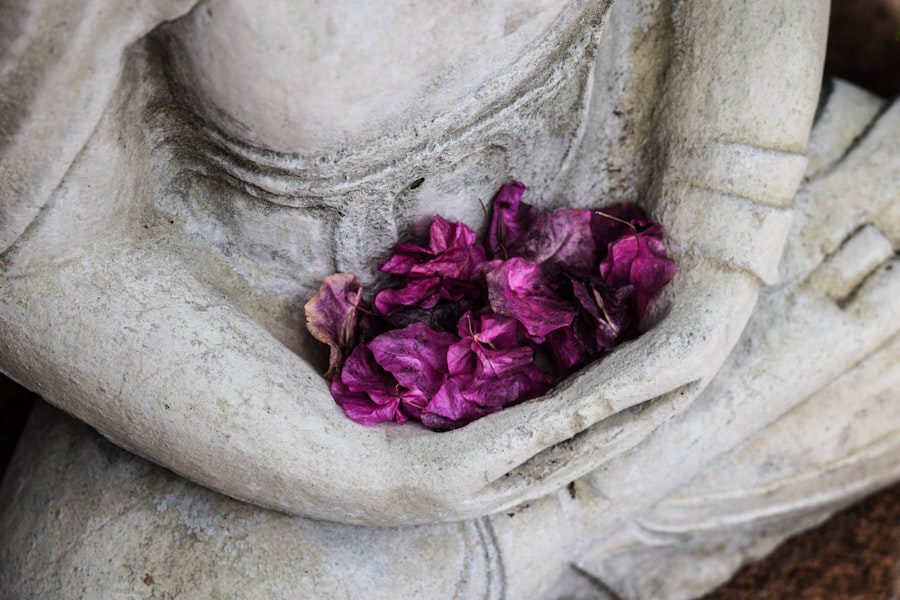
Building faith amidst doubt requires intentional effort and resilience. One effective approach is to cultivate practices that nurture spiritual growth over time. This might include establishing a regular routine of prayer or meditation that allows for reflection and connection with one’s inner self.
Engaging with sacred texts—whether through study groups or personal exploration—can also provide insights that resonate deeply with one’s evolving beliefs. Resilience is equally important in this journey; it involves developing the capacity to bounce back from setbacks and maintain hope despite challenges. Embracing uncertainty as a natural part of the human experience can help individuals navigate their doubts with grace.
Learning to reframe negative thoughts into opportunities for growth fosters a mindset that is open to exploration rather than paralyzed by fear. This resilience not only strengthens one’s faith but also enhances overall well-being.
Surrounding Yourself with Support
The importance of surrounding oneself with supportive individuals cannot be overstated when grappling with unbelief. A nurturing environment filled with understanding friends, family members, or mentors can provide the encouragement needed to explore doubts without fear of judgment. These relationships serve as anchors during turbulent times, reminding individuals that they are valued regardless of their current beliefs.
Moreover, engaging with communities that prioritize open dialogue about faith can create spaces where questions are welcomed rather than stifled. Such environments encourage vulnerability and authenticity, allowing individuals to express their doubts freely while receiving compassion and understanding in return. By fostering connections with those who share similar values yet may hold different beliefs, individuals can cultivate a rich tapestry of perspectives that enrich their spiritual journey.
Finding Purpose in the Battle against Unbelief
The struggle against unbelief can ultimately lead to profound personal growth and transformation. Many individuals discover that their doubts serve as catalysts for deeper exploration and understanding of their faith. This journey often reveals new dimensions of spirituality that were previously unrecognized, allowing for a more nuanced and authentic relationship with belief systems.
Finding purpose in this battle involves reframing the experience as an opportunity for growth rather than merely a source of conflict. Embracing the idea that questioning is an integral part of faith allows individuals to approach their struggles with curiosity rather than despair. This perspective shift can lead to greater resilience and an enriched sense of purpose as one navigates the complexities of belief and unbelief alike.
Ultimately, the journey through unbelief can illuminate pathways toward deeper understanding, connection, and fulfillment in life’s spiritual quest.
In a related article titled A Flea and Jesus, the author explores the concept of faith and the importance of recognizing the spiritual battles that believers face. Just as in The Fight Against Unbelief: Recognizing the Battle, this article delves into the struggles that Christians encounter in their journey of faith and emphasizes the need for perseverance and trust in God. Both articles highlight the ongoing battle between belief and unbelief, urging readers to stay strong in their faith and rely on God’s strength to overcome doubts and challenges.