
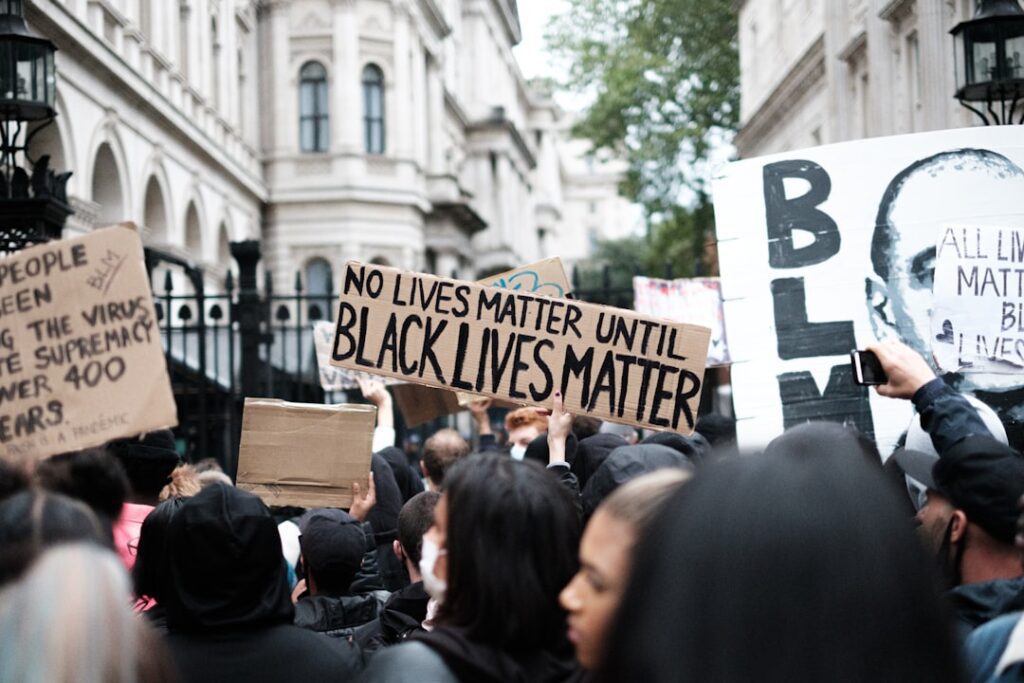
Cultural offenses arise when actions, words, or symbols clash with the values, beliefs, or practices of a particular group. These offenses can manifest in various forms, from seemingly innocuous comments to overtly disrespectful gestures. The complexity of cultural offenses lies in their subjective nature; what may be acceptable in one culture can be deeply offensive in another.
For instance, the use of certain gestures, such as the thumbs-up sign, is considered positive in many Western cultures but can be interpreted as an insult in parts of the Middle East. This highlights the importance of cultural awareness and sensitivity in our increasingly interconnected world. Moreover, cultural offenses can have far-reaching implications, affecting interpersonal relationships and community dynamics.
When individuals or groups feel disrespected or marginalized, it can lead to a breakdown in communication and trust. This is particularly evident in multicultural societies where diverse backgrounds coexist. For example, a misinterpreted joke or a culturally insensitive remark can escalate tensions and create divisions among communities.
Understanding the nuances of cultural offenses is essential for fostering an environment of respect and inclusivity, where individuals feel valued and understood.
Key Takeaways
- Cultural offenses can occur when one’s actions or words disrespect or harm another person’s cultural beliefs or practices.
- Graceful reactions to cultural offenses involve responding with understanding, empathy, and a willingness to learn from the experience.
- Responding with love and compassion means showing kindness and empathy towards the person who has committed the offense, while also standing up for what is right.
- Practicing forgiveness and humility is essential in addressing cultural offenses, as it allows for healing and growth for both the offender and the offended.
- Engaging in open dialogue and education helps to promote understanding and respect for different cultures, fostering unity and diversity in Christ.
The Power of Graceful Reactions
The Power of Calm Expression
For example, when confronted with an offensive comment, a graceful response might involve calmly expressing how the remark was hurtful while inviting the other person to share their perspective. This method encourages empathy and opens the door for meaningful conversation.
Setting a Positive Example
When individuals respond to offenses with grace, they demonstrate that it is possible to engage in difficult conversations without resorting to hostility. This can inspire others to adopt similar approaches, fostering a culture of respect and understanding. In many cases, a graceful reaction can transform a potentially volatile situation into an opportunity for growth and learning.
Creating a Harmonious Environment
By prioritizing grace over grievance, individuals can contribute to a more harmonious environment where differences are acknowledged and celebrated.
Responding with Love and Compassion
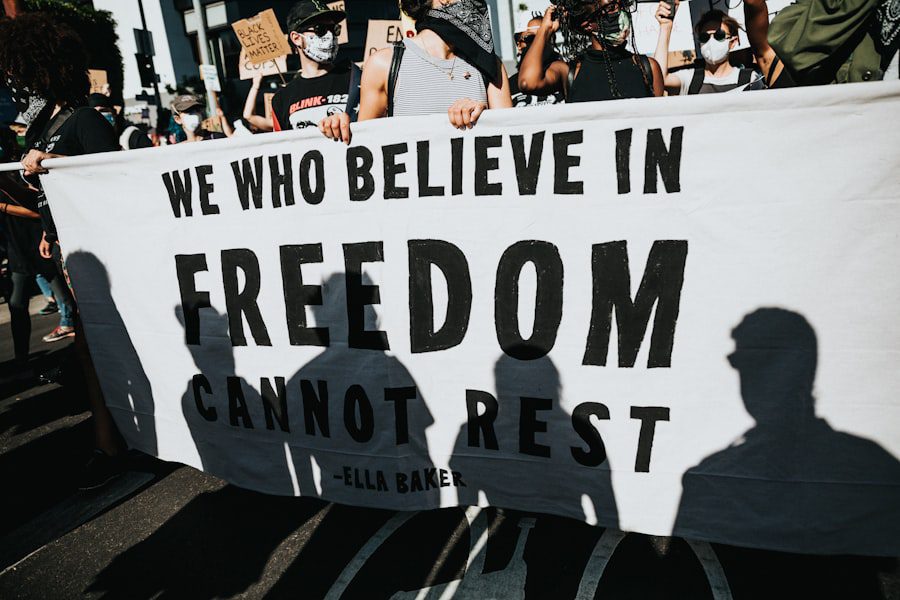
Responding to cultural offenses with love and compassion is a powerful antidote to division and misunderstanding. Love transcends cultural boundaries and fosters connections that can heal wounds caused by insensitivity. When individuals approach offenses with compassion, they acknowledge the pain that may have been inflicted and seek to understand the underlying emotions involved.
For example, if someone inadvertently makes a culturally insensitive remark, responding with compassion might involve recognizing their intent was not malicious while gently educating them about why their words were hurtful. Compassionate responses also encourage vulnerability and openness. When individuals feel safe to express their feelings without fear of judgment, it creates an atmosphere conducive to healing and reconciliation.
This approach not only benefits those directly involved but also has a ripple effect throughout the community. By modeling love and compassion in the face of cultural offenses, individuals can inspire others to engage in similar behaviors, ultimately fostering a culture of empathy and understanding.
Practicing Forgiveness and Humility
Forgiveness is a crucial component in addressing cultural offenses, as it allows individuals to move beyond hurt and resentment. Practicing forgiveness does not mean condoning offensive behavior; rather, it involves releasing the emotional burden associated with the offense. This process can be challenging, especially when the offense feels deeply personal or systemic.
However, embracing humility can facilitate this journey. Recognizing that everyone is fallible and capable of making mistakes helps create space for forgiveness. Humility also plays a vital role in acknowledging one’s own biases and limitations.
When individuals approach cultural offenses with humility, they are more likely to listen actively and learn from others’ experiences. This willingness to grow fosters an environment where dialogue can flourish, allowing for deeper understanding and connection among diverse groups. For instance, someone who has been offended may choose to forgive not only for their own peace but also to encourage a more inclusive atmosphere where everyone feels empowered to share their perspectives.
Engaging in Open Dialogue and Education
Open dialogue is essential for addressing cultural offenses effectively. Creating spaces where individuals feel comfortable discussing their experiences fosters understanding and promotes healing. This dialogue should be rooted in mutual respect, allowing participants to share their perspectives without fear of retribution or dismissal.
Educational initiatives can complement these discussions by providing context about different cultures and their values. Workshops or community forums that focus on cultural sensitivity can equip individuals with the tools needed to navigate complex social interactions. Education plays a pivotal role in preventing future cultural offenses as well.
By raising awareness about diverse customs, traditions, and histories, communities can cultivate an environment where individuals are more informed and empathetic toward one another. For example, schools that incorporate multicultural education into their curricula help students understand the richness of diversity while also addressing potential biases early on. This proactive approach not only reduces the likelihood of cultural offenses but also fosters a sense of belonging among all community members.
Setting Boundaries and Confronting Offenses
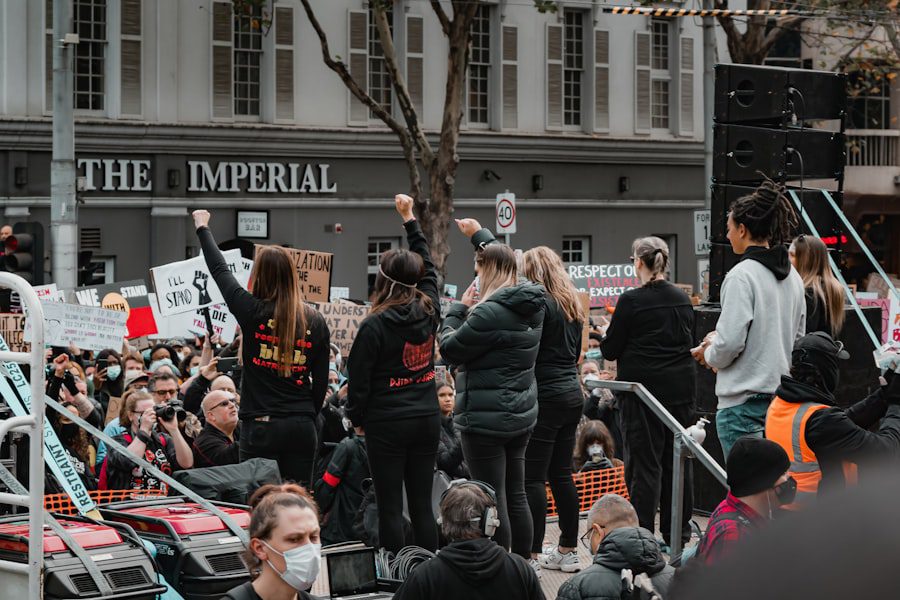
While grace and compassion are vital in responding to cultural offenses, it is equally important to set boundaries when necessary. Establishing clear boundaries communicates that certain behaviors are unacceptable and helps protect individuals from further harm. Confronting offenses does not have to be confrontational; it can be done assertively yet respectfully.
For instance, if someone makes an inappropriate joke about a particular culture, addressing it directly by stating that such humor is offensive can help clarify expectations for future interactions. Setting boundaries also empowers individuals to advocate for themselves and others within their communities. When people feel confident in expressing their discomfort regarding cultural offenses, it encourages a culture of accountability where respect becomes paramount.
This proactive stance not only addresses immediate issues but also contributes to long-term change by signaling that cultural insensitivity will not be tolerated. By confronting offenses constructively, individuals can foster an environment where everyone feels safe and valued.
Seeking Reconciliation and Restoration
Reconciliation is a vital step in healing relationships affected by cultural offenses. It involves acknowledging the hurt caused by an offense while actively working toward restoring trust and understanding between parties involved. This process often requires open communication, where both sides express their feelings and perspectives honestly.
For example, if two friends have a disagreement stemming from a cultural misunderstanding, taking the time to discuss their feelings openly can pave the way for reconciliation. Restoration goes beyond simply mending relationships; it also involves creating pathways for growth and learning from past mistakes. Engaging in joint activities that celebrate diversity or participating in community service projects together can help rebuild connections while fostering mutual respect.
By focusing on shared goals and values, individuals can move beyond past grievances toward a more united future. The journey toward reconciliation may be challenging, but it ultimately leads to stronger bonds within communities.
Embracing Diversity and Unity in Christ
In a world marked by diversity, embracing differences while finding common ground is essential for fostering unity among individuals from various backgrounds. In many faith traditions, including Christianity, there is an emphasis on love and acceptance that transcends cultural barriers. Embracing diversity means recognizing that each person brings unique experiences and perspectives that enrich the community as a whole.
Celebrating these differences allows for deeper connections rooted in shared values rather than divisions based on misunderstandings. Unity in Christ serves as a powerful reminder that despite our differences, we are all part of a larger family bound by faith and love. This perspective encourages individuals to look beyond cultural offenses and focus on what unites them rather than what divides them.
Engaging in activities that promote inclusivity—such as multicultural worship services or community events—can help reinforce this sense of unity while honoring the richness of diversity within the body of believers. By embracing both diversity and unity, communities can cultivate an environment where everyone feels valued and empowered to contribute their unique gifts for the greater good.