
The Great Awakening, a series of religious revivals that swept through the American colonies in the 18th century, marked a significant turning point in the spiritual landscape of early America. This movement, which began in the 1730s and continued into the 1740s and beyond, was characterized by fervent preaching, emotional expressions of faith, and a call for personal piety. Key figures such as Jonathan Edwards and George Whitefield emerged as prominent leaders during this period, captivating audiences with their impassioned sermons that emphasized the need for a personal relationship with God.
Edwards’ famous sermon, “Sinners in the Hands of an Angry God,” exemplified the intense emotional appeal of the revivalist message, instilling a sense of urgency and fear regarding salvation. The Great Awakening had profound implications for the social fabric of the colonies. It fostered a sense of shared identity among diverse groups, transcending denominational lines and uniting individuals in a common experience of spiritual awakening.
This newfound unity among colonists contributed to a growing sense of American identity, as people began to see themselves as part of a larger community with shared values and beliefs. The revivalist spirit encouraged questioning of traditional authority, including that of established churches and colonial governments, laying the groundwork for a more democratic ethos that would later influence political thought in the colonies.
Key Takeaways
- The Great Awakening sparked a religious revival in the American colonies, leading to a renewed interest in spirituality and a sense of unity among the colonists.
- Religious revival played a significant role in shaping American values and ideals, emphasizing the importance of individual conscience and personal salvation.
- The revival’s impact on the American Revolution and independence was evident in the increased desire for freedom and self-governance among the colonists.
- The influence of revival on the framing of the U.S. Constitution can be seen in the emphasis on religious freedom and the separation of church and state.
- Revival contributed to the abolitionist movement and the fight against slavery by inspiring individuals to advocate for the rights and equality of all people.
The Role of Religious Revival in Shaping American Values and Ideals
Religious revival played a crucial role in shaping the core values and ideals that would come to define American society. The emphasis on individualism and personal faith during the Great Awakening encouraged colonists to seek their own spiritual paths rather than relying solely on institutionalized religion. This shift towards personal agency resonated deeply with Enlightenment ideals, which championed reason and individual rights.
As people began to prioritize their own interpretations of faith, they also started to question other forms of authority, including political and social hierarchies. Moreover, the revivalist movement instilled a sense of moral responsibility among its followers. Preachers often called for social reform, urging their congregations to address issues such as poverty, education, and justice.
This moral imperative laid the groundwork for various reform movements in the 19th century, as individuals inspired by revivalist teachings sought to create a more equitable society. The idea that one could effect change through personal action became a cornerstone of American values, fostering a culture that celebrated activism and civic engagement.
Revival’s Impact on the American Revolution and Independence
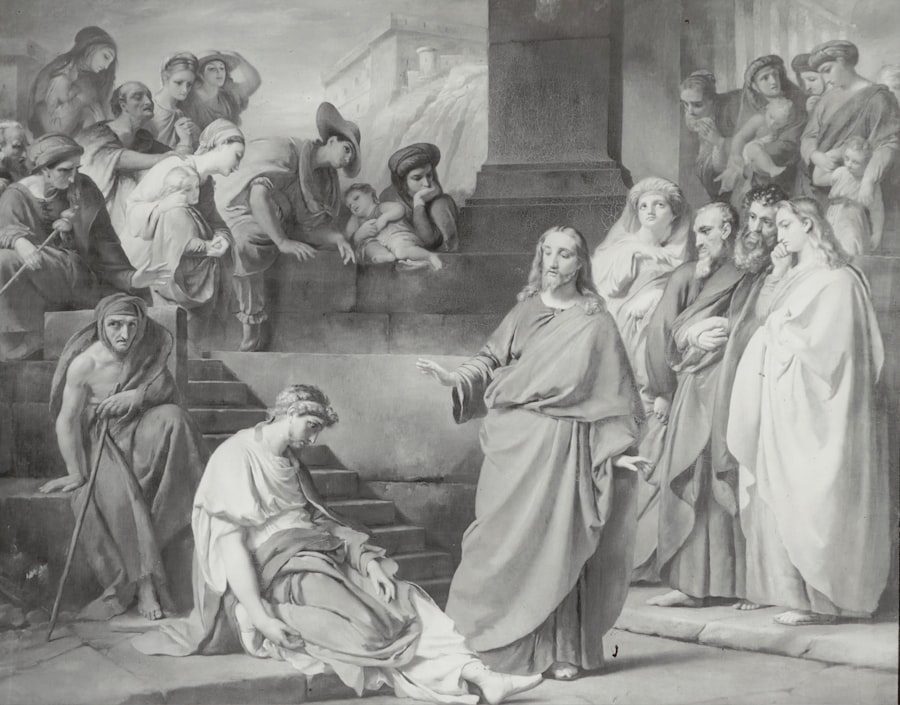
The fervor generated by religious revivals significantly influenced the political landscape leading up to the American Revolution. The Great Awakening’s emphasis on questioning authority resonated with colonists who were increasingly disillusioned with British rule. Many revivalists preached about liberty and freedom, drawing parallels between spiritual liberation and political independence.
This ideological framework provided a moral justification for rebellion against what was perceived as tyrannical governance. Furthermore, the revivalist spirit fostered a sense of unity among disparate colonial factions. As individuals from various backgrounds came together in shared religious experiences, they began to recognize their common grievances against British oppression.
The language of revivalism—filled with notions of freedom, equality, and divine providence—found its way into revolutionary rhetoric. Leaders such as Samuel Adams and Patrick Henry harnessed this language to galvanize support for independence, framing the struggle against Britain as not only a political battle but also a spiritual one.
The ideals propagated during the Great Awakening continued to resonate during the formative years of the United States, particularly in the framing of the U.S. Constitution. The revivalist emphasis on individual rights and liberties found expression in the foundational documents of the nation.
Many framers were influenced by the belief that government should be accountable to the people and that individual freedoms were paramount. This perspective was rooted in the revivalist tradition that emphasized personal agency and moral responsibility. Moreover, the debates surrounding religious freedom during the Constitutional Convention reflected the legacy of revivalism.
The First Amendment, which guarantees freedom of religion, can be seen as a direct response to the religious pluralism fostered by the Great Awakening. The framers recognized that a diverse society required protections for various beliefs and practices, ensuring that no single denomination could dominate public life. This commitment to religious liberty not only reflected the values of revivalism but also laid the groundwork for a society that would continue to grapple with questions of faith and governance.
Revival’s Contribution to the Abolitionist Movement and the Fight Against Slavery
The revivalist spirit also played a pivotal role in shaping the abolitionist movement in America. Many abolitionists were inspired by the moral imperatives articulated during religious revivals, which emphasized equality and justice as fundamental tenets of faith. Figures such as Frederick Douglass and Sojourner Truth drew upon their religious convictions to advocate for the end of slavery, framing their arguments within a moral context that resonated deeply with both religious and secular audiences.
The Second Great Awakening, which followed in the early 19th century, further galvanized anti-slavery sentiment among religious communities. Camp meetings became venues for discussing social issues, including slavery, as preachers called upon their congregations to take action against injustices. The revivalist message encouraged individuals to see themselves as agents of change, prompting many to join abolitionist societies or engage in direct action against slavery.
This intertwining of faith and activism created a powerful movement that would ultimately contribute to significant social change in America.
Revival’s Influence on the Women’s Rights Movement
The revivalist movements also had a profound impact on women’s rights in America. As women became increasingly involved in religious revivals during the 19th century, they found opportunities for leadership and expression that were often denied to them in other spheres of life. The emotional intensity of revival meetings allowed women to take on roles as speakers and organizers, challenging traditional gender norms that confined them to domestic roles.
Prominent figures such as Elizabeth Cady Stanton and Lucretia Mott emerged from this context, advocating for women’s rights while drawing upon their religious convictions. They argued that just as individuals had a right to spiritual fulfillment, women should also have access to rights and opportunities in society. The connections made between personal liberation in faith and social justice laid the groundwork for future feminist movements, as women began to articulate their demands for equality within both religious and secular frameworks.
Revival’s Impact on the Civil Rights Movement and Racial Equality

The legacy of revivalism continued to influence social movements well into the 20th century, particularly during the Civil Rights Movement. Leaders such as Martin Luther King Jr., who was deeply influenced by his Christian faith and the principles of nonviolent resistance, drew upon revivalist traditions to advocate for racial equality. King’s famous “I Have a Dream” speech echoed themes of hope and justice that were central to both revivalist preaching and African American spirituals.
Churches played a crucial role in organizing civil rights activities, serving as safe havens for planning protests and rallies. The moral authority derived from religious teachings provided a powerful framework for challenging systemic racism and advocating for civil rights legislation. The revivalist emphasis on community solidarity fostered an environment where individuals could come together across racial lines to fight for justice, reinforcing the idea that faith could be a catalyst for social change.
The Legacy of Revival in Shaping American Society and Culture
The legacy of religious revivals is woven into the very fabric of American society and culture. From its early days through contemporary movements for social justice, revivalism has consistently inspired individuals to seek change based on moral imperatives rooted in faith. The emphasis on personal agency, community engagement, and social responsibility has become integral to American identity.
In contemporary society, revivalist themes continue to resonate within various movements advocating for justice, equality, and human rights. Whether through grassroots activism or national campaigns, individuals draw upon the rich tradition of revivalism to inspire action and foster community solidarity. The enduring influence of these revivals serves as a reminder that faith can be a powerful force for transformation, shaping not only individual lives but also collective aspirations for a more just society.