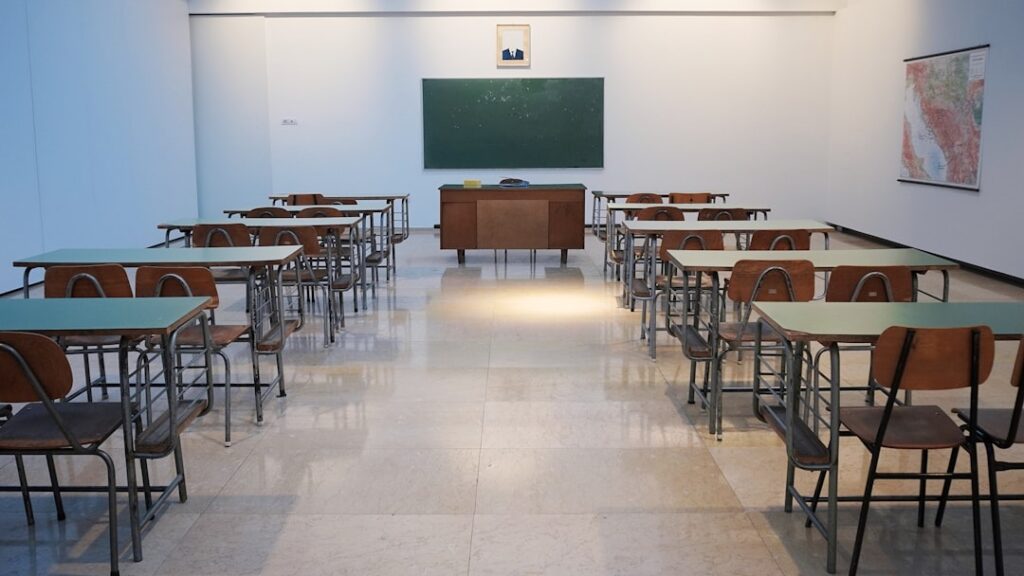
The decline of classical education in America can be traced back to the early 20th century, when progressive educational reforms began to take hold. This shift was characterized by a move away from the traditional liberal arts curriculum, which emphasized the study of classical languages, literature, philosophy, and history. Instead, educational institutions began to prioritize vocational training and practical skills, reflecting a growing belief that education should be directly tied to economic productivity.
This transformation was fueled by the industrial revolution and the subsequent demand for a workforce equipped with specific technical skills. As a result, subjects such as Latin and Greek were gradually phased out of the curriculum, leading to a diminished emphasis on the humanities. The consequences of this shift have been profound.
The focus on standardized testing and measurable outcomes has further marginalized classical education, as schools prioritize subjects that are deemed more relevant to contemporary job markets. The No Child Left Behind Act of 2001 and its successors have reinforced this trend by emphasizing math and reading proficiency over a well-rounded education that includes the arts and humanities. Consequently, many students graduate without a solid grounding in the foundational texts and ideas that have shaped Western thought.
This decline has not only affected individual students but has also contributed to a broader cultural shift away from critical engagement with historical texts and philosophical ideas.
Key Takeaways
- Classical education has declined in America due to a shift towards more vocational and technology-focused education.
- Reviving classical education is important for fostering a well-rounded education that includes the study of literature, history, philosophy, and the arts.
- Classical education benefits students by providing them with a strong foundation in critical thinking, communication skills, and a deep understanding of the human experience.
- Classical education plays a crucial role in preserving American culture by teaching students about the country’s history, values, and traditions.
- Implementing classical education in modern schools requires a shift in curriculum and teaching methods to prioritize the study of classical texts and ideas.
- Classical education has a significant impact on students’ critical thinking and problem-solving skills by encouraging them to engage with complex ideas and develop logical reasoning.
- Overcoming challenges in reviving classical education involves addressing resistance to change, providing teacher training, and garnering support from parents and policymakers.
- The future of classical education in America looks promising as more educators and parents recognize the value of a well-rounded education that includes classical studies.
The Importance of Reviving Classical Education
Reviving classical education is essential for fostering a well-rounded intellectual foundation in students. Classical education emphasizes the development of critical thinking skills through the study of great works of literature, philosophy, and history. By engaging with these texts, students learn to analyze complex ideas, articulate their thoughts clearly, and engage in meaningful dialogue with others.
This approach encourages a depth of understanding that is often lacking in contemporary educational models, which tend to prioritize rote memorization and standardized testing over genuine intellectual engagement. Moreover, classical education cultivates a sense of moral and ethical reasoning that is increasingly important in today’s complex world. The study of classical texts often involves grappling with fundamental questions about human nature, justice, and the good life.
These discussions not only enrich students’ understanding of their own values but also prepare them to navigate the moral dilemmas they will encounter in their personal and professional lives. In an age where ethical considerations are frequently overshadowed by economic interests, the revival of classical education can provide students with the tools they need to make informed decisions that reflect their values.
The Benefits of Classical Education for Students

The benefits of classical education extend beyond academic achievement; they encompass personal growth and character development as well. One of the hallmarks of classical education is its emphasis on the cultivation of virtue. Through the study of historical figures and philosophical ideas, students are encouraged to reflect on their own character and strive for personal excellence.
This focus on virtue is particularly relevant in an era where many young people face challenges related to identity, purpose, and ethical decision-making. Additionally, classical education fosters a love of learning that can last a lifetime. By engaging with challenging texts and ideas, students develop intellectual curiosity and a desire to explore new concepts.
This intrinsic motivation is crucial for lifelong learning, as it encourages individuals to seek knowledge beyond the confines of formal education. In contrast to more utilitarian approaches to education that prioritize immediate job readiness, classical education instills a sense of wonder about the world and an appreciation for the richness of human experience.
The Role of Classical Education in Preserving American Culture
Classical education plays a vital role in preserving American culture by connecting students with the foundational texts and ideas that have shaped the nation’s identity. The study of classical literature, philosophy, and history provides students with a deeper understanding of the principles upon which America was founded, including democracy, individual rights, and the rule of law. Engaging with these texts allows students to appreciate the complexities of American history and culture while fostering a sense of civic responsibility.
Furthermore, classical education encourages students to think critically about contemporary issues through the lens of historical context. By examining past events and philosophical debates, students can draw parallels to current societal challenges and develop informed opinions on pressing matters such as social justice, governance, and ethical leadership. This historical perspective is essential for cultivating informed citizens who can contribute thoughtfully to public discourse and engage in the democratic process.
Implementing Classical Education in Modern Schools
Implementing classical education in modern schools requires a multifaceted approach that addresses both curriculum design and teacher training. Schools interested in adopting a classical model must first evaluate their existing curricula to identify areas where classical texts and ideas can be integrated. This may involve reintroducing subjects such as Latin or Greek, as well as incorporating classic works of literature and philosophy into existing courses.
A well-rounded curriculum should also include discussions about ethics, logic, and rhetoric—skills that are essential for effective communication and critical thinking. Teacher training is equally important in this process. Educators must be equipped not only with knowledge of classical texts but also with pedagogical strategies that promote active engagement with these materials.
Professional development programs can help teachers learn how to facilitate discussions around complex ideas and encourage students to think critically about what they read. Additionally, schools can foster a culture of inquiry by encouraging interdisciplinary collaboration among teachers from different subject areas, allowing for richer discussions that connect classical ideas to contemporary issues.
The Impact of Classical Education on Critical Thinking and Problem-Solving Skills

Classical education has a profound impact on students’ critical thinking and problem-solving skills by emphasizing analytical reasoning and logical argumentation. Through the study of classical texts, students learn to dissect complex arguments, identify logical fallacies, and construct coherent responses based on evidence. This rigorous intellectual training equips them with the tools necessary to navigate an increasingly complex world where information is abundant but often misleading.
Moreover, classical education encourages students to approach problems from multiple perspectives. By engaging with diverse philosophical viewpoints and historical contexts, students develop an appreciation for nuance and complexity in problem-solving. This ability to consider various angles before arriving at a conclusion is invaluable in both academic settings and real-world situations where decisions often have far-reaching consequences.
As such, classical education not only prepares students for academic success but also cultivates adaptable thinkers who can tackle challenges creatively.
Overcoming Challenges in Reviving Classical Education
Reviving classical education is not without its challenges. One significant obstacle is the entrenched focus on standardized testing within many educational systems. Schools are often pressured to prioritize subjects that yield measurable outcomes over those that foster critical thinking and creativity.
To overcome this challenge, advocates for classical education must work to demonstrate its value through empirical evidence showing its positive impact on student outcomes. Another challenge lies in addressing misconceptions about classical education as being elitist or irrelevant in today’s diverse society. Proponents must articulate how classical education can be inclusive and relevant for all students by emphasizing its universal themes—such as justice, morality, and human experience—that resonate across cultures and backgrounds.
By framing classical education as a means of fostering critical engagement with both historical texts and contemporary issues, advocates can broaden its appeal and encourage more schools to adopt this approach.
The Future of Classical Education in America
The future of classical education in America holds promise as more educators and parents recognize its value in developing well-rounded individuals capable of critical thought and ethical reasoning. As educational landscapes continue to evolve, there is an increasing demand for curricula that prioritize depth over breadth—an area where classical education excels. Schools that embrace this model may find themselves better equipped to prepare students for the complexities of modern life while instilling a sense of civic responsibility.
Moreover, technological advancements present new opportunities for disseminating classical ideas beyond traditional classroom settings. Online platforms can facilitate access to classic texts and discussions among diverse groups of learners, fostering a broader appreciation for the humanities. As interest in holistic education grows, there is potential for a resurgence in classical education that not only enriches individual lives but also strengthens the fabric of American culture by cultivating informed citizens who are engaged with their communities and committed to ethical leadership.