
The concept of community plays a pivotal role in shaping individual beliefs, often serving as the bedrock upon which personal ideologies are constructed. Communities, whether they are defined by geographical boundaries, shared interests, or cultural backgrounds, provide a framework within which individuals develop their understanding of the world. This influence can manifest in various ways, from the overt transmission of cultural norms to the subtler reinforcement of shared values.
For instance, in a religious community, the collective practices and teachings can profoundly impact an individual’s spiritual beliefs, often leading to a deep-seated adherence to the doctrines espoused by that community. Moreover, the influence of community extends beyond mere belief systems; it also encompasses the emotional and psychological dimensions of belief formation. Individuals often seek validation and affirmation from their communities, which can lead to a stronger commitment to shared beliefs.
This phenomenon is particularly evident in social movements where collective action and solidarity reinforce specific ideologies. The power of community can create an echo chamber effect, where dissenting opinions are marginalized, and conformity is encouraged. This dynamic illustrates how communities can shape not only what individuals believe but also how passionately they hold those beliefs.
Key Takeaways
- Community plays a significant role in shaping individual beliefs
- Relationships within a community can greatly influence an individual’s beliefs
- Our worldview is shaped by the community we are a part of
- Connection with others is powerful in forming and reinforcing beliefs
- Community has a direct impact on personal beliefs and values
The Role of Relationships in Shaping Beliefs
Relationships within a community serve as critical conduits for the transmission and reinforcement of beliefs. The interactions between individuals—whether through family ties, friendships, or professional networks—create a rich tapestry of influence that can significantly alter one’s worldview. For example, a person raised in a family that prioritizes education may develop a strong belief in the value of academic achievement, largely due to the encouragement and expectations set by their parents and siblings.
These relationships provide not only support but also a framework for understanding the importance of certain values and beliefs. Furthermore, relationships can also challenge existing beliefs, prompting individuals to reevaluate their perspectives. Engaging with diverse viewpoints within a community can lead to cognitive dissonance, where conflicting beliefs create discomfort that encourages personal growth and change.
For instance, a person who has always held conservative views may find their beliefs challenged by friendships with individuals who advocate for progressive social policies. This interaction can lead to a more nuanced understanding of complex issues, illustrating how relationships can be both affirming and transformative in shaping beliefs.
How Community Shapes Our Worldview
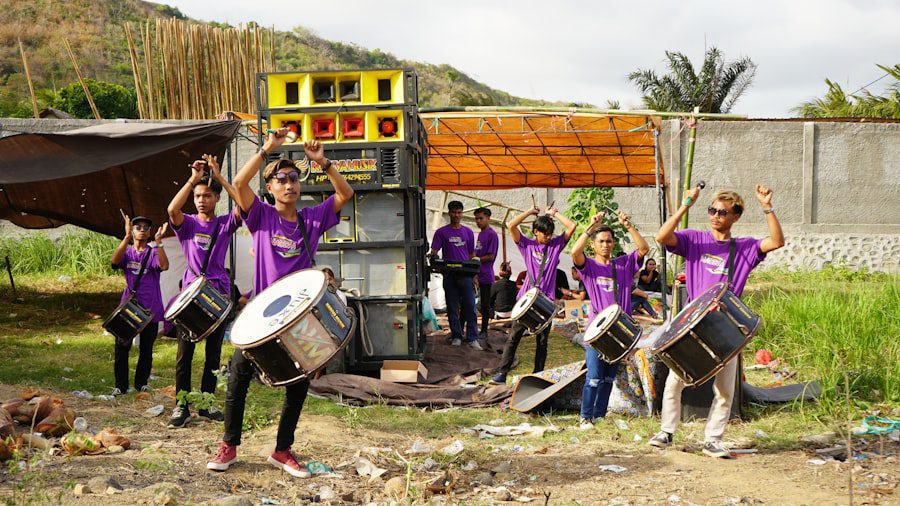
The worldview of an individual is often a reflection of the collective experiences and narratives shared within their community. Communities provide a lens through which individuals interpret their surroundings, influencing how they perceive social issues, cultural practices, and even global events. For instance, individuals raised in communities that emphasize environmental stewardship are likely to adopt eco-centric beliefs and practices, viewing climate change as a pressing issue that requires immediate action.
This shared narrative shapes not only personal beliefs but also collective action within the community. Additionally, the historical context of a community can significantly impact its members’ worldviews. Communities that have experienced trauma or conflict may develop a worldview characterized by resilience and solidarity, while those that have enjoyed stability may foster beliefs centered around individualism and self-reliance.
The stories passed down through generations—whether they are tales of struggle or triumph—contribute to a shared identity that influences how members view themselves in relation to the broader society. This interplay between community history and individual worldview underscores the profound impact that communal narratives have on belief formation.
The Power of Connection in Forming Beliefs
Connection is a fundamental aspect of human experience, and it plays a crucial role in the formation of beliefs within communities. The bonds formed through shared experiences create a sense of belonging that can reinforce existing beliefs or encourage the adoption of new ones. For example, participation in community service projects can foster beliefs centered around altruism and social responsibility.
When individuals witness the positive impact of their collective efforts, they are more likely to internalize these values and carry them into other areas of their lives. Moreover, the emotional connections forged within communities can amplify the strength of beliefs held by individuals. When people feel emotionally invested in their community—whether through friendships, family ties, or shared goals—they are more likely to adopt the prevailing beliefs of that group.
This emotional resonance can create a powerful motivation for individuals to align their personal beliefs with those of their community, often leading to a deep sense of identity tied to these shared values. The interplay between connection and belief formation highlights the importance of social bonds in shaping our understanding of ourselves and our place in the world.
The Impact of Community on Personal Beliefs
The impact of community on personal beliefs is multifaceted and often profound. Individuals are not isolated entities; rather, they exist within a web of social interactions that influence their thoughts and actions. For instance, consider a person who moves to a new city and joins a local activist group focused on social justice issues.
Through participation in this community, they may begin to adopt beliefs that prioritize equity and inclusion, influenced by the discussions and actions of their peers. This shift illustrates how personal beliefs can evolve in response to communal engagement. Additionally, communities often provide a sense of accountability that can further shape personal beliefs.
When individuals are part of a group that espouses certain values—such as environmental sustainability or social equity—they may feel compelled to align their personal actions with these beliefs due to social pressure or a desire for acceptance. This dynamic can lead to significant changes in behavior and belief systems over time, as individuals navigate the expectations set by their communities. The reciprocal relationship between community influence and personal belief underscores the complexity of human socialization.
The Importance of Community in Shaping Beliefs

The importance of community in shaping beliefs cannot be overstated; it serves as both a catalyst for belief formation and a stabilizing force for maintaining those beliefs over time. Communities provide individuals with a sense of identity and belonging that is crucial for psychological well-being. When people feel connected to others who share similar beliefs, they are more likely to feel validated in their perspectives, reinforcing their commitment to those beliefs.
This validation is particularly important in times of uncertainty or crisis when individuals may seek solace in the familiar narratives provided by their communities. Moreover, communities play an essential role in facilitating dialogue and discourse around belief systems. Through discussions, debates, and shared experiences, individuals are exposed to diverse perspectives that can challenge or reinforce their existing beliefs.
This process is vital for personal growth and development; it encourages critical thinking and fosters an environment where individuals can explore complex issues without fear of judgment. The importance of community in shaping beliefs lies not only in its ability to provide support but also in its capacity to promote intellectual engagement and exploration.
The Dynamics of Community and Belief Formation
The dynamics of community and belief formation are intricate and often involve various factors that influence how beliefs are adopted or rejected. Social norms within a community can dictate acceptable beliefs and behaviors, creating an environment where conformity is encouraged. For example, in communities where traditional gender roles are strongly upheld, individuals may feel pressured to conform to these expectations, even if they personally disagree with them.
This dynamic illustrates how communal pressures can shape belief systems in ways that may not align with individual values. Conversely, communities can also serve as spaces for resistance against dominant belief systems. In contexts where marginalized voices seek recognition and validation, communities can provide support for alternative perspectives that challenge mainstream ideologies.
For instance, LGBTQ+ communities often emerge as safe havens for individuals seeking acceptance outside heteronormative frameworks. Within these spaces, members can
In a related article titled “The Value of Faith: Why It’s Not Always Easy,” the author explores the challenges and obstacles that individuals may face in maintaining their faith in a world that often values material wealth and success. The article delves into the importance of community support and relationships in helping individuals navigate these difficulties and stay true to their beliefs. To read more about this topic, visit here.