
Faith has been a cornerstone of American identity since the nation’s inception. The early settlers, many of whom fled religious persecution in Europe, sought not only a new land but also the freedom to practice their beliefs without fear. This quest for religious liberty was enshrined in the First Amendment of the Constitution, which guarantees the free exercise of religion.
The intertwining of faith and governance is evident in the writings of the Founding Fathers, who often invoked divine providence in their deliberations. Figures like George Washington and Thomas Jefferson recognized the importance of faith in shaping moral character and civic responsibility, laying a foundation for a society that values both individual belief and collective ethics. Throughout American history, faith has played a pivotal role in various movements and events.
The abolitionist movement, for instance, was significantly influenced by religious leaders who viewed slavery as a moral abomination. Figures such as Frederick Douglass and Harriet Beecher Stowe drew upon their Christian convictions to advocate for emancipation, framing the struggle against slavery as a divine imperative. Similarly, during the Civil Rights Movement, faith leaders like Martin Luther King Jr.
harnessed the power of religious conviction to mobilize communities toward justice and equality. His famous “I Have a Dream” speech echoed biblical themes, illustrating how faith can inspire hope and action in the face of systemic oppression.
Key Takeaways
- Faith has played a significant role in shaping American history, influencing the values and beliefs of the nation.
- Faith serves as a source of strength and resilience for individuals and communities, providing hope and guidance during challenging times.
- Communities are inspired to serve and make a positive impact through their faith, leading to acts of kindness and compassion.
- Faith has the power to catalyze social change, motivating individuals and groups to advocate for justice and equality.
- The intersection of faith and politics has a profound impact on American society, shaping policies and influencing decision-making processes.
Faith as a Source of Strength and Resilience
Comfort and Guidance in Personal Crises
For many, prayer becomes a vital practice that fosters a sense of connection to something greater than oneself, offering solace and guidance. This phenomenon is not limited to any single faith tradition; rather, it spans across various religions, each providing its adherents with unique rituals and teachings that promote healing and perseverance.
Faith Unites Communities in Challenging Times
Moreover, faith can galvanize communities during challenging times. For instance, after the September 11 attacks in 2001, many Americans turned to their places of worship for solace and support. Churches, synagogues, mosques, and other religious institutions became hubs for community gathering and healing.
Fostering Resilience in the Face of Adversity
They provided not only spiritual guidance but also practical assistance, such as food drives and counseling services for those affected by the tragedy. This collective response illustrates how faith can unite individuals in their shared humanity, fostering resilience in the face of overwhelming grief and uncertainty.
Faith in Action: How Communities are Inspired to Serve
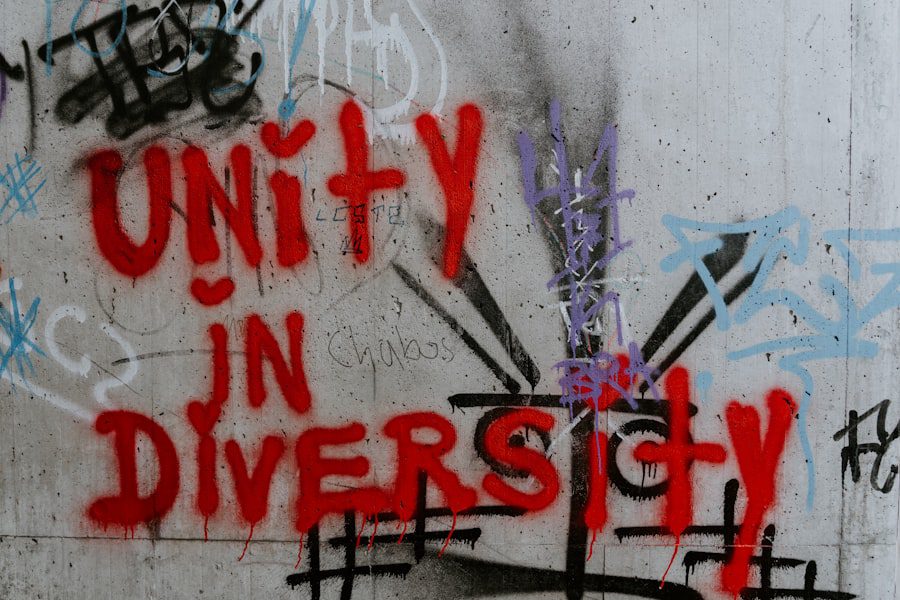
Faith often inspires individuals to engage in acts of service that benefit their communities. Many religious organizations prioritize outreach programs that address social issues such as poverty, hunger, and homelessness. For example, Catholic Charities operates nationwide, providing essential services like food assistance, housing support, and disaster relief.
These initiatives are rooted in the belief that serving others is a fundamental expression of one’s faith. Volunteers from diverse backgrounds come together under the banner of shared values, demonstrating how faith can transcend differences and foster a spirit of cooperation. Additionally, interfaith initiatives have emerged as powerful platforms for community service.
Organizations like the Interfaith Youth Core bring together young people from various religious backgrounds to collaborate on service projects that address pressing social issues. These experiences not only provide tangible benefits to communities but also cultivate understanding and respect among participants. By working side by side, individuals learn about each other’s beliefs and practices, breaking down barriers and building bridges across cultural divides.
This collaborative spirit exemplifies how faith can inspire collective action toward the common good.
Faith as a Catalyst for Social Change
Throughout history, faith has been a driving force behind significant social change movements. Religious leaders have often taken bold stands against injustice, using their platforms to advocate for marginalized communities. The abolitionist movement is one prominent example where faith played a crucial role in challenging the status quo.
Many abolitionists were motivated by their religious convictions to fight against slavery, viewing it as an affront to human dignity and divine will. Their activism not only contributed to the eventual abolition of slavery but also laid the groundwork for future civil rights advancements. In more recent times, faith has continued to serve as a catalyst for social change.
The environmental movement has seen many religious groups advocating for stewardship of the Earth as a moral obligation. Organizations like GreenFaith mobilize faith communities to address climate change through advocacy, education, and sustainable practices. By framing environmentalism as a spiritual issue, these groups inspire individuals to take action not only for their own well-being but also for future generations.
This intersection of faith and environmental activism highlights how deeply held beliefs can motivate individuals to engage in critical societal issues.
The Intersection of Faith and Politics
The relationship between faith and politics in America is complex and multifaceted. While the Constitution mandates a separation of church and state, religious beliefs often inform political ideologies and policy decisions. Many politicians openly express their faith as a guiding principle in their public service, appealing to constituents who share similar values.
This dynamic can be seen in various political movements where religious rhetoric is employed to galvanize support for specific policies or candidates. However, this intersection is not without controversy. Debates surrounding issues such as abortion rights, LGBTQ+ rights, and immigration often see religious groups on opposing sides.
For instance, some evangelical Christians advocate for restrictive immigration policies based on interpretations of biblical texts regarding national sovereignty, while other faith leaders emphasize compassion and hospitality toward immigrants as central tenets of their beliefs. This divergence illustrates how faith can both unite and divide individuals within the political landscape, shaping public discourse in profound ways.
Faith and Education: Nurturing the Leaders of Tomorrow

The Power of Community
These educational environments foster a sense of community among students while instilling principles such as integrity, compassion, and service to others.
Empowering Underserved Communities
Moreover, faith-based organizations often provide scholarships and mentorship programs aimed at empowering young people from underserved communities. Initiatives like the Boys & Girls Clubs of America incorporate faith-based values into their programming, encouraging youth to develop leadership skills while engaging in community service projects.
Building a Better Society
By nurturing young leaders within a framework of faith and ethics, these organizations contribute to building a more just and equitable society.
Faith as a Source of Hope and Healing
In an increasingly complex world marked by uncertainty and division, faith remains a vital source of hope and healing for many individuals. Spiritual beliefs can provide comfort during difficult times, offering reassurance that there is purpose beyond suffering. For those grappling with personal challenges—be it health issues, loss of loved ones, or existential crises—faith can serve as an anchor that helps them navigate life’s storms.
Additionally, communal worship provides a space for collective healing. Religious gatherings often serve as opportunities for individuals to share their burdens with one another, fostering an environment of support and understanding. Rituals such as prayer circles or healing services allow participants to come together in solidarity, reinforcing the idea that they are not alone in their struggles.
This communal aspect of faith underscores its power to heal not only individuals but also entire communities grappling with shared trauma or loss.
The Future of America: How Faith Can Inspire Positive Change
As America faces numerous challenges—social inequality, political polarization, environmental degradation—the role of faith in inspiring positive change remains crucial. Faith communities have the potential to lead efforts toward reconciliation and understanding by promoting dialogue across differences. Initiatives that encourage interfaith collaboration can help bridge divides and foster a sense of shared purpose among diverse groups.
Moreover, as younger generations increasingly seek meaning beyond traditional structures, there is an opportunity for faith-based organizations to adapt their approaches to engage with contemporary issues effectively. By addressing topics such as mental health awareness or social justice through a lens of compassion and understanding rooted in faith traditions, these organizations can resonate with individuals seeking purpose in their lives. In conclusion, while challenges persist within the landscape of American society, faith continues to serve as a powerful force for good—nurturing resilience, inspiring service, catalyzing social change, and fostering hope among individuals and communities alike.
As America moves forward into an uncertain future, the enduring influence of faith may well be key to unlocking pathways toward healing and unity.