
In the contemporary landscape, media serves as a powerful conduit through which information flows, shaping perceptions and influencing societal norms. The omnipresence of media—ranging from traditional outlets like newspapers and television to digital platforms such as social media—has transformed the way individuals consume information. This transformation has not only altered the dynamics of communication but has also raised critical questions about the integrity and reliability of the information disseminated.
The influence of media is profound, as it can sway public opinion, dictate political narratives, and even shape cultural values. Understanding this influence is essential for navigating the complexities of modern society. The evolution of media has been marked by significant technological advancements, which have expanded its reach and impact.
The advent of the internet and mobile technology has democratized information dissemination, allowing anyone with access to share their views and insights. However, this democratization comes with its own set of challenges, including the proliferation of misinformation and the difficulty in discerning credible sources from unreliable ones. As media continues to evolve, so too does its capacity to influence individuals and communities, making it imperative to critically examine the mechanisms through which this influence operates.
Key Takeaways
- Media has a significant influence on shaping public opinion and perception.
- Media bias can impact public perception and contribute to misinformation.
- Propaganda is often used in media messaging to influence public opinion.
- Social media plays a major role in shaping public opinion and perception.
- Media has a responsibility to report accurate information and its influence can impact political decision-making.
The Role of Media in Shaping Public Opinion
The Impact of Media on Elections
For instance, during election cycles, the portrayal of candidates in news coverage can significantly affect voter perceptions. A candidate who receives extensive positive coverage may be viewed more favorably than one who is consistently criticized, regardless of their actual policies or qualifications.
The Framing of Complex Issues
Moreover, the framing of issues can lead to a skewed understanding of complex topics. For example, the way media reports on climate change can either galvanize public concern or foster skepticism. If media outlets focus on scientific consensus and urgent calls for action, they may encourage a sense of responsibility among the public.
Shaping the Narrative
Conversely, if they highlight dissenting opinions or downplay the severity of the issue, they can contribute to apathy or confusion. This selective framing underscores the media’s power in not just reporting facts but also in shaping the narrative surrounding those facts.
The Impact of Media Bias on Public Perception
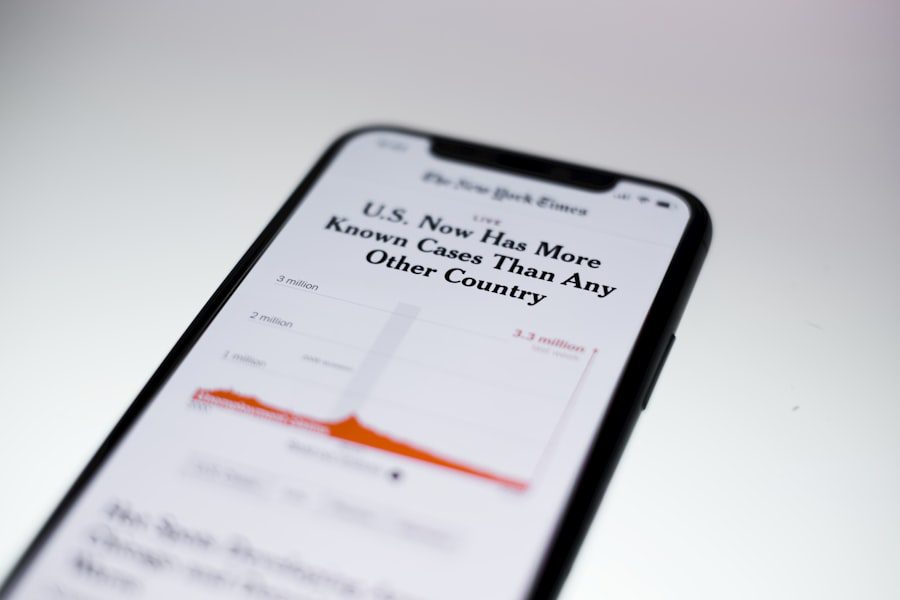
Media bias is an inherent aspect of journalism that can significantly distort public perception. Bias can manifest in various forms, including political bias, sensationalism, and selective reporting. When media outlets align themselves with specific political ideologies or agendas, they may present information in a way that favors one perspective over another.
This can lead to a polarized public where individuals consume news that reinforces their pre-existing beliefs, creating echo chambers that stifle critical discourse. The consequences of media bias are far-reaching. For instance, during contentious political events such as elections or major policy debates, biased reporting can exacerbate divisions within society.
A study conducted by the Pew Research Center found that individuals who primarily consume news from partisan sources are more likely to hold extreme views and less likely to engage with opposing viewpoints. This phenomenon not only affects individual beliefs but also undermines democratic processes by fostering an environment where compromise and dialogue become increasingly difficult.
The Use of Propaganda in Media Messaging
Propaganda is a strategic form of communication designed to influence public opinion and behavior, often through misleading or emotionally charged messaging. Historically associated with wartime efforts and totalitarian regimes, propaganda has evolved into a more subtle yet pervasive element of modern media. Governments, corporations, and interest groups utilize propaganda techniques to shape narratives that align with their objectives.
This can include everything from advertising campaigns to political messaging that seeks to evoke specific emotional responses. One notable example of propaganda in media is the use of fear-based messaging during public health crises. During the COVID-19 pandemic, various media outlets employed sensational headlines and alarming statistics to capture attention and drive engagement.
While raising awareness about the virus was crucial, some reports may have inadvertently contributed to panic and misinformation. This illustrates how propaganda can manipulate emotions and perceptions, often prioritizing sensationalism over accuracy in pursuit of viewership or influence.
The Influence of Social Media on Public Opinion
Social media has revolutionized the way information is shared and consumed, creating new avenues for public engagement and discourse. Platforms like Twitter, Facebook, and Instagram allow users to disseminate information rapidly and interact with a global audience. This democratization of information has empowered individuals to voice their opinions and mobilize around causes they care about.
However, it has also led to challenges regarding the quality and reliability of information shared. The viral nature of social media can amplify both accurate information and misinformation alike. For instance, during significant events such as protests or natural disasters, social media can serve as a real-time reporting tool that provides immediate updates from eyewitnesses.
However, this immediacy can also facilitate the spread of false information or conspiracy theories that gain traction before being debunked. The algorithms that govern social media platforms often prioritize engagement over accuracy, leading users to encounter sensational or misleading content more frequently than factual reporting.
The Responsibility of Media in Reporting Accurate Information

Upholding Ethical Standards
Journalists and media organizations must adhere to ethical standards that prioritize truthfulness and integrity. This goes beyond mere fact-checking and involves providing context, nuance, and diverse perspectives on complex issues.
Rigorous Journalistic Practices
To fulfill this responsibility, media organizations must invest in rigorous journalistic practices that prioritize accuracy over sensationalism. This includes thorough research, verification of sources, and transparency about potential biases or conflicts of interest.
Fostering Accountability and Quality Journalism
Fostering a culture of accountability within newsrooms is vital for ensuring that ethical standards are upheld consistently. As consumers become increasingly discerning about the information they encounter, media organizations must adapt by prioritizing quality journalism that serves the public interest.
The Effects of Media Influence on Political Decision-making
Media influence extends into the realm of political decision-making, where it can shape policy agendas and impact governance. Politicians often rely on media coverage to gauge public sentiment and adjust their strategies accordingly. For instance, when certain issues receive extensive media attention—such as healthcare reform or climate change—politicians may feel compelled to address these topics in their platforms to align with public expectations.
Moreover, media coverage can affect legislative outcomes by framing issues in ways that resonate with constituents. A well-publicized scandal or crisis can prompt swift political action as elected officials respond to public outcry fueled by media narratives. Conversely, when issues are underreported or framed as less urgent, they may languish without adequate attention from policymakers.
This dynamic underscores the symbiotic relationship between media and politics, where each influences the other’s priorities and actions.
Strategies for Critical Thinking in Consuming Media Information
In an age characterized by information overload and pervasive media influence, developing critical thinking skills is essential for navigating the complexities of modern communication. Consumers must cultivate an awareness of their own biases while actively seeking diverse perspectives to challenge their viewpoints. One effective strategy is to engage with multiple sources of information before forming conclusions about a particular issue.
By comparing how different outlets report on the same topic, individuals can gain a more nuanced understanding and identify potential biases. Additionally, employing fact-checking tools and resources can help consumers discern credible information from misinformation. Organizations such as Snopes or FactCheck.org provide valuable services by verifying claims made in news articles or social media posts.
Furthermore, fostering discussions with others—whether through formal debate settings or informal conversations—can enhance critical thinking skills by exposing individuals to alternative viewpoints and encouraging respectful dialogue. In conclusion, as media continues to evolve in its forms and functions, understanding its influence on public opinion becomes increasingly vital for informed citizenship. By recognizing the role of bias, propaganda, and social media dynamics while cultivating critical thinking skills, individuals can navigate the complex landscape of information more effectively.