
Prayer has been a fundamental aspect of human experience across cultures and religions for millennia. It serves as a bridge between the finite human experience and the infinite divine presence. At its core, prayer is a form of communication, a way to express thoughts, feelings, and desires to a higher power.
This act can take many forms, from structured rituals to spontaneous expressions of gratitude or supplication. The power of prayer lies not only in its spiritual significance but also in its psychological and emotional benefits. Research has shown that engaging in prayer can lead to reduced stress, increased feelings of well-being, and a greater sense of purpose in life.
The transformative nature of prayer can be observed in various contexts. For instance, individuals facing terminal illnesses often turn to prayer as a source of comfort and hope. Studies have indicated that patients who engage in prayer report lower levels of anxiety and depression.
This phenomenon can be attributed to the sense of control and connection that prayer provides, allowing individuals to feel supported in their struggles. Furthermore, prayer can foster a sense of community among believers, as shared prayers can strengthen bonds and create a collective sense of purpose. In this way, prayer transcends individual experience, becoming a powerful tool for both personal and communal healing.
Key Takeaways
- Prayer is a powerful tool that can bring peace, strength, and resilience in overcoming obstacles and navigating difficult decisions.
- Through prayer, individuals can find guidance, clarity, and a deeper connection with the divine, leading to a sense of hope and resilience.
- Collective prayer can harness the power of community to address and overcome challenges, fostering a sense of unity and support.
- Prayer can provide the strength and peace needed to overcome obstacles and make difficult decisions, leading to a deeper connection with the divine.
- Building resilience and hope through prayer can help individuals cultivate a sense of peace and strength in the face of adversity.
Overcoming Obstacles through Prayer
Seeking Solace and Strength
By turning to prayer, individuals can articulate their fears and frustrations, seeking solace and strength from a higher power. This act of surrendering one’s burdens can be incredibly liberating, allowing individuals to release their anxieties and find clarity amidst chaos.
A Catalyst for Action
Prayer can serve as a catalyst for action. When faced with obstacles, individuals may feel paralyzed by fear or uncertainty. However, through prayer, they often find renewed motivation and courage to tackle their problems. For example, someone struggling with addiction may pray for strength and guidance, which can lead them to seek help or support from others.
An Active Engagement
This proactive approach is essential; prayer does not merely serve as a passive request for assistance but rather as an active engagement with one’s circumstances. The act of praying can inspire individuals to take tangible steps toward overcoming their challenges.
Finding Peace and Strength in Prayer

In moments of turmoil or distress, many people turn to prayer as a refuge. The act of praying can create a profound sense of peace that transcends the immediate circumstances one may be facing. This peace often arises from the understanding that one is not alone in their struggles; there is a divine presence that listens and cares.
The repetitive nature of certain prayers or mantras can also induce a meditative state, further enhancing feelings of tranquility. This meditative aspect allows individuals to center themselves, fostering an inner calm that can be difficult to achieve through other means. Additionally, prayer can be a source of strength during times of adversity.
When individuals feel overwhelmed by life’s challenges, turning to prayer can provide them with the fortitude needed to persevere. For instance, many athletes incorporate prayer into their routines before competitions, seeking not only success but also the mental resilience to face pressure and uncertainty. This practice highlights how prayer can bolster confidence and determination, enabling individuals to confront their fears with renewed vigor.
The strength derived from prayer is not merely about physical endurance; it encompasses emotional and spiritual fortitude as well.
Using Prayer to Navigate Difficult Decisions
Life is filled with choices that can significantly impact one’s future. From career paths to personal relationships, the weight of decision-making can be daunting. In such moments, many individuals turn to prayer as a means of seeking guidance and clarity.
By engaging in prayerful reflection, individuals can create space for contemplation and discernment. This process often involves quieting the mind and opening oneself up to divine wisdom, allowing for insights that may not have been apparent before. The practice of praying over decisions can also help individuals align their choices with their values and beliefs.
For example, someone contemplating a job offer may pray for guidance on whether this opportunity aligns with their life’s purpose or ethical standards. This alignment is crucial; when decisions are made in harmony with one’s core values, they tend to lead to greater satisfaction and fulfillment. Furthermore, the act of praying can alleviate the anxiety associated with making tough choices by instilling a sense of trust in the process.
Individuals may find comfort in knowing that they are not solely responsible for the outcome; they are part of a larger narrative guided by divine influence.
Seeking Guidance and Clarity through Prayer
In an increasingly complex world filled with competing demands and expectations, seeking guidance is more important than ever. Prayer serves as a powerful tool for individuals looking for direction in their lives. By turning inward through prayer, individuals can tap into their intuition and inner wisdom while also seeking external guidance from a higher power.
This dual approach allows for a more holistic understanding of one’s circumstances and potential paths forward. The clarity that emerges from prayer often comes from moments of stillness and reflection. In these quiet moments, individuals may receive insights or revelations that illuminate their path forward.
For instance, someone grappling with feelings of confusion about their career may find clarity through dedicated prayer time, leading them to recognize their true passions or calling. Additionally, many people report experiencing synchronicities or signs after engaging in prayerful contemplation, further reinforcing their sense of direction. This interplay between personal reflection and divine guidance creates a dynamic process that empowers individuals to navigate life’s complexities with confidence.
Building Resilience and Hope through Prayer
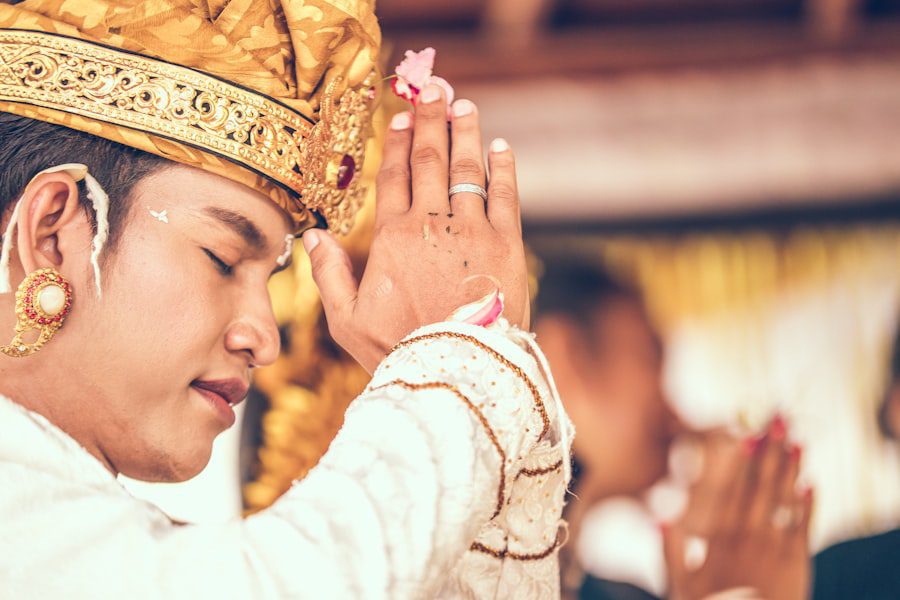
The Power of Hope
This hopeful perspective is crucial for resilience, as it allows individuals to maintain faith in themselves and their ability to overcome obstacles. Moreover, prayer can serve as a reminder of past victories and the strength that lies within each individual. Reflecting on previous challenges that were surmounted through faith can bolster one’s confidence when facing new trials.
Lessons Learned
For example, someone who has navigated significant life changes—such as divorce or job loss—may look back on their journey with gratitude for the lessons learned through prayerful reflection. This retrospective view reinforces the belief that they possess the inner resources necessary to face future challenges with courage and determination.
Building Confidence
By reflecting on past experiences and the role of prayer in overcoming them, individuals can build confidence in their ability to navigate future challenges. This confidence is essential for resilience, as it allows individuals to approach difficulties with a sense of hope and determination, rather than fear and uncertainty.
Cultivating a Deeper Connection with the Divine through Prayer
Prayer is not merely about asking for help or expressing gratitude; it is also an opportunity to cultivate a deeper relationship with the divine. Engaging in regular prayer allows individuals to develop intimacy with their spiritual beliefs and practices. This connection fosters a sense of belonging within a larger spiritual framework, providing comfort during times of uncertainty or distress.
As individuals deepen their relationship with the divine through prayer, they often experience profound transformations in their understanding of themselves and their place in the world. The process of cultivating this connection involves more than just reciting words; it requires genuine engagement and openness to spiritual experiences. Many people find that incorporating elements such as meditation or contemplative silence enhances their prayer practice, allowing them to listen more attentively for divine guidance or inspiration.
This two-way communication enriches the spiritual journey, leading to greater insights and revelations about one’s purpose and mission in life.
Harnessing the Power of Collective Prayer for Community Challenges
The impact of collective prayer cannot be overstated; when communities come together in prayerful solidarity, they create a powerful force for change and healing. Collective prayer has been utilized throughout history during times of crisis—be it natural disasters, social injustices, or health pandemics—as a means of fostering unity and resilience among community members. The shared experience of praying together cultivates a sense of belonging and mutual support that is essential during challenging times.
For instance, during times of national tragedy or loss, communities often gather for vigils or prayer services as an expression of solidarity and hope. These gatherings serve not only as an outlet for grief but also as a source of strength for those affected by the events at hand. The collective energy generated through shared prayers amplifies individual intentions, creating a ripple effect that extends beyond the immediate community.
This phenomenon illustrates how collective prayer can mobilize resources—both spiritual and material—toward addressing community challenges effectively. In conclusion, the multifaceted nature of prayer encompasses personal reflection, communal support, guidance in decision-making, resilience building, and deepening connections with the divine. Through its various forms and practices, prayer remains an enduring source of strength and hope for countless individuals around the world.