

Why the shape of church matters
Christianity can look successful by worldly standards—big buildings, large attendance numbers, steady income—yet still miss the transforming power Jesus intended. When the church is organized by systems and metrics instead of organic, family-shaped relationships, it often fails to reflect heaven on earth. The result: people feel hurt, disconnected, and sometimes turn away from faith altogether.
The heart of the problem is structural. Living things are made of the same material as rocks and water; the difference is how they are arranged. A mechanistic church built on worldly wisdom will produce mechanical results. A church with organic, relational structure—rooted in family, belonging, and the gospel—brings life, healing, and renewal.
The most meaningful thing is relationship
When life narrows to essentials—when someone faces ultimate questions—what people value most is the people around them. Friends, family, those who can speak words of love and presence. This is why relational life in the church is not an optional extra; it is core.
Hurt causes walls. Those walls must be torn down by grace so people can risk connecting again. The simple truth is this: a thriving soul needs connection, safety, and belonging. When that exists alongside a living encounter with Jesus, God moves.
Stories that sharpen the vision
Two short snapshots help illustrate what matters. First, literature can point to kingdom values. J.R.R. Tolkien’s work celebrates hearth and table—home, friendship, ordinary goodness—over fame and wealth. Those are kingdom instincts: protecting places of life, not chasing trophies of power.
Second, a real-life example: grief and recovery. When a family turned to Jesus in the midst of devastating loss, those who knew them saw a visible transformation. People described colors and sounds as brighter. That is the language of life, not merely ritual or rules.
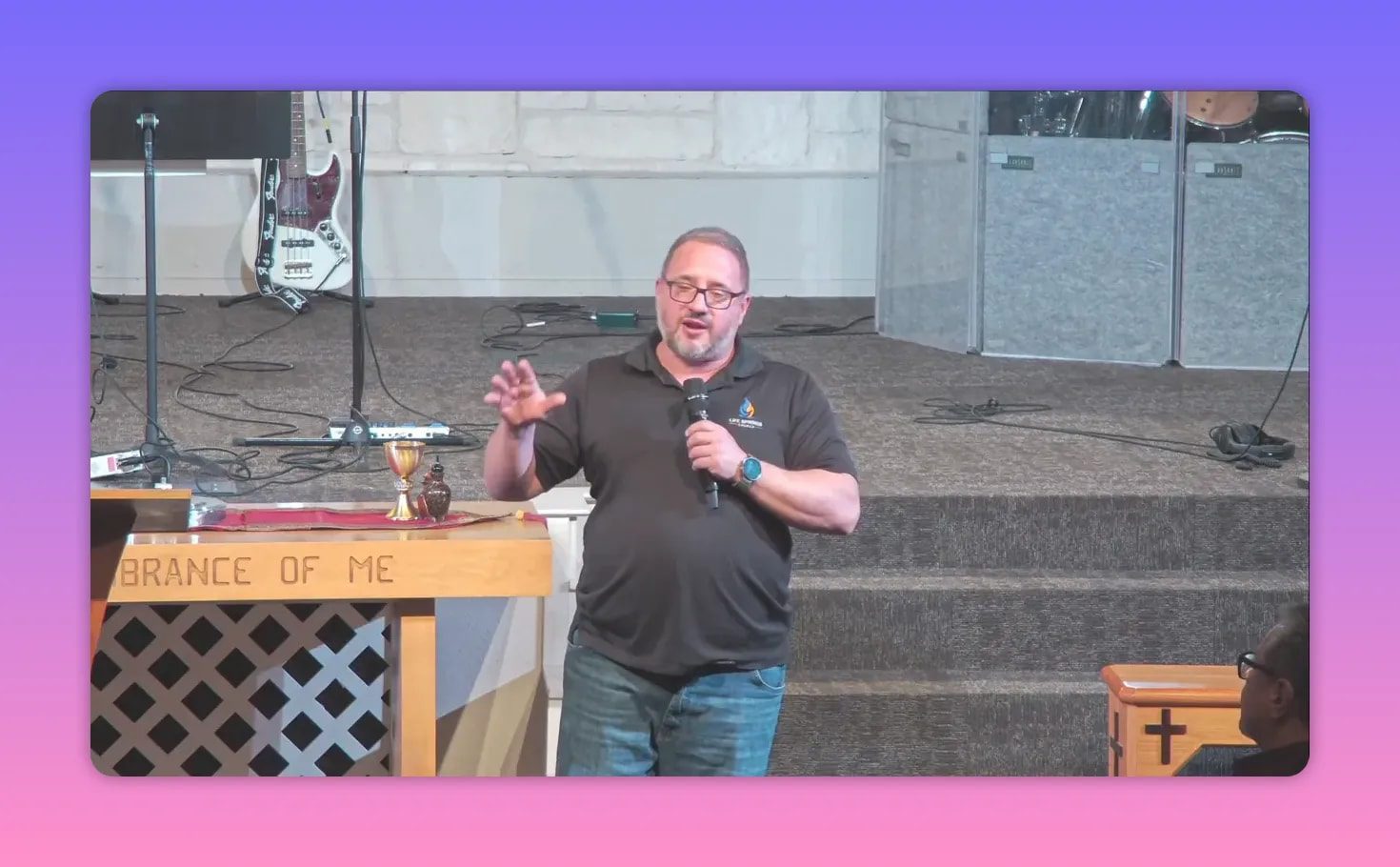
Two essentials: loving community and personal encounter with Jesus
The dream is simple and practical:
- Every person who comes experiences love, welcome, and belonging.
- Every person meets Jesus personally and experiences the life his salvation brings.
Fellowship, laughter, and friendship are beautiful—but they only change the world when they accompany a personal, saving relationship with Christ.
The Jerusalem model: Acts 2 as blueprint
The early church gives a pattern we can borrow without copying the letter of every detail. Acts describes a rhythm that combines two essential elements: public gathering and intimate house-level connection. That balanced rhythm is what gives the church both depth and reach.
So continuing daily with one accord in the temple and breaking bread from house to house, they ate their food with gladness and simplicity of heart, praising God and having