
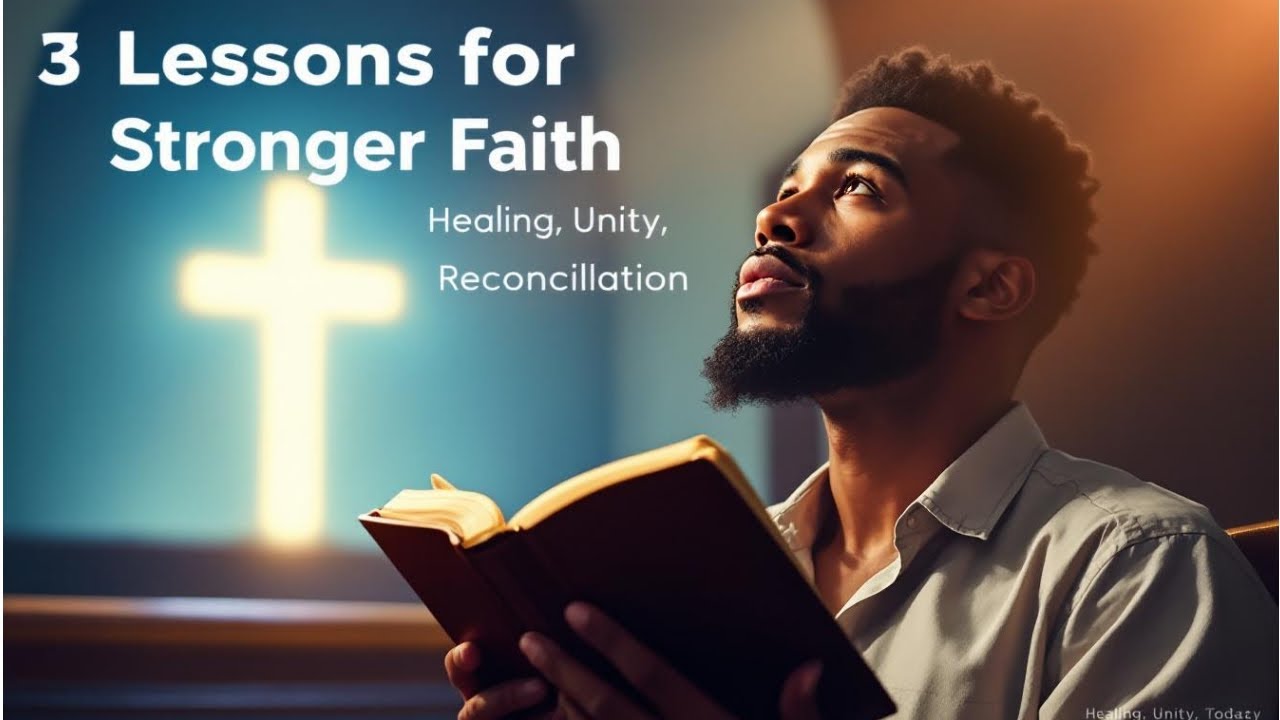
Anger, bitterness, and fear are reshaping our culture. When human life is devalued and neighbors start to look like enemies, everything that makes a free and flourishing society possible begins to unravel. The challenge before us is not simply political or technological. It is spiritual and moral. We must learn to walk the road that leads to life, not the road that leads to death.
Why this matters now
Too often the loudest responses to cultural wounds are reactive. People respond with accusation, with chants, with coercion, or with a scorched earth kind of criticism that only hardens hearts. That pattern turns brothers into enemies and sets entire communities on a path of ruin.
The good news is that there is a different path available. It is rooted in humility, compassion, and steady, faithful action. Scripture calls followers to be ministers of reconciliation. That calling is not sentimental. It is practical. It changes how we speak, how we organize our communities, and how we steward influence.
Lesson 1 — Become Ministers of Reconciliation
Reconciliation begins with honest self examination. Too often our first instinct is to point the finger at someone else. The very first human response after the fall was blame. The biblical call is the opposite. We ask, what part did I play? We remove the log from our own eye before trying to remove the speck from another’s.
For it pleased the Father that in him the fullness should dwell and by him to reconcile all things to himself by him whether things on earth or things in heaven having made peace through the blood of his cross. Colossians 1:19-20
Reconciliation restores dignity. It softens hardened hearts. A sincere apology, a humble correction, and an offer of forgiveness are not weaknesses. They are instruments of healing. The church exists to practice that ministry in the public square so that a society learns to resolve conflict without turning to violence or vengeance.
Practical steps to practice reconciliation
- Self-check regularly: Ask, “What part did I play?” before assigning blame.
- Apologize plainly: When you are wrong, say it and mean it without qualification.
- Forgive repeatedly: Forgiveness is a habit more than a single act.
Lesson 2 — Sow the Way of Life and Expect a Harvest in Time
There are two roads: one that reaps destruction and one that produces life. When people sow anger, divisiveness, and coercion they plant seeds that sprout ruin. When they sow patience, kindness, and consistent justice they prepare a harvest of restored relationships and flourishing communities.
History and personal encounters around the world show this in concrete ways. Jealousy and ownership mindsets often cause violence and sabotage. But patient service, education, and economic cooperation soften suspicion and open doors. Sowing to the spirit is slow work. It is like cultivating gold and jewels that are dug out slowly. Patience matters.
Do not be deceived. God is not mocked. For whatever a man sows, he will also reap. Galatians 6:7-9
Do not grow weary in doing good. The results of kingdom work are sometimes invisible at first. Returning good for evil, loving those who hate you, and blessing those who curse you all look foolish in the moment. Persist anyway. A harvest comes in due season when faithfulness continues.
Concrete ways to sow life
- Invest in education and local enterprises that serve the common good.
- Provide healthcare, shelter, and honest employment opportunities.
- Model humility and servant leadership in neighborhoods, churches, and workplaces.
Lesson 3 — Build a Culture of Freedom, Persuasion, and Rule of Law
Preserving human dignity requires both moral formation and practical institutions. Liberal democracy at its best rests on the idea that each person is created in the image of God and has freedom of conscience. That freedom must be defended not by coercion but by persuasion and trust.
Rules such as “do not murder” and “do not steal” are not merely legal constraints. They protect the conditions for human flourishing. Likewise, religious communities must resist the temptation to use state power to impose faith. Historically, flourishing comes when faith is lived out in voluntary, communal formation—not enforced by government.
How to foster persuasion over coercion
- Teach well: Encourage moral formation that leads to virtue and wisdom.
- Engage winsomely: Use reason and love to persuade rather than shame to coerce.
- Support rule of law: Advocate for simple, just laws that protect life and liberty.
Questions to guide your daily practice
Ask these often and let them shape action:
- What part did I play in this conflict?
- Am I sowing to the flesh or to the spirit?
- Am I acting out of fear or out of love?
- How can I be salt and light where I live, work, and worship?
Final encouragement
There is a divine promise of restoration. The work of healing nations is not ultimately dependent on human cleverness. It is carried forward by persistent acts of reconciliation, faithful sowing of righteousness, and patient cultivation of institutions that protect dignity. The church has been entrusted with this ministry. When compassion and love motivate us more than fear, the road to life gains traction.
Keep sowing. Keep forgiving. Keep persuading with humility and truth. The harvest is coming in due season for those who do not lose heart.