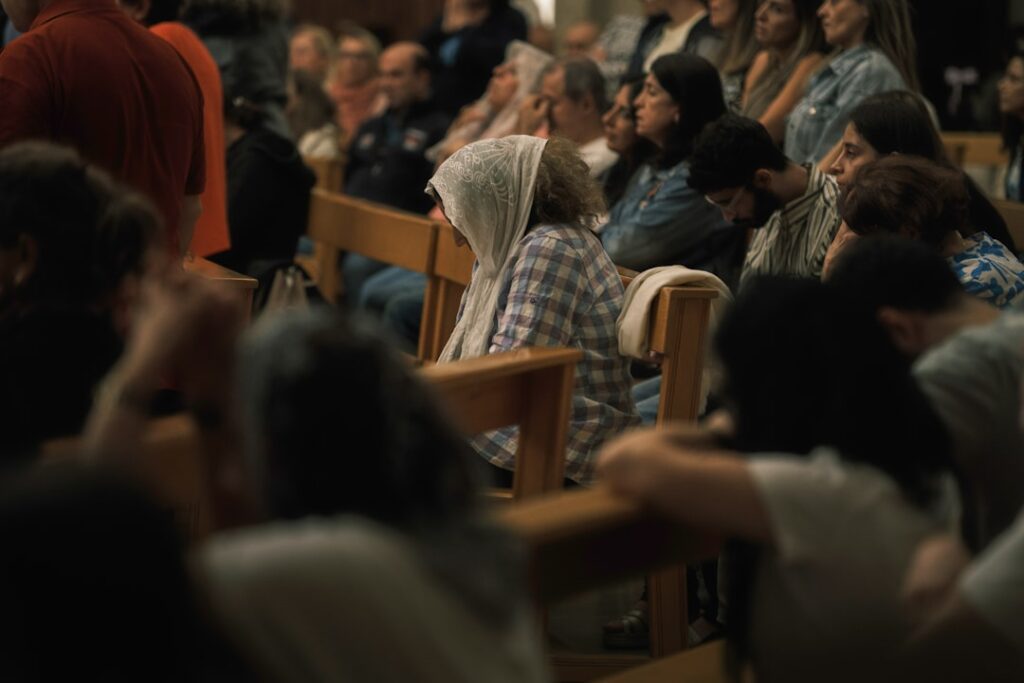
Religious communities play a central role in many faith traditions, serving multiple functions for their members. The concept of communal worship and support has ancient origins, with early religious texts emphasizing the importance of collective spiritual practice. In Christianity, the New Testament book of Acts describes early believers gathering regularly for teaching, fellowship, shared meals, and prayer, establishing patterns that continue in modern congregations.
Faith communities typically provide several key functions: spiritual education through group study and teaching, emotional support during personal challenges, celebration of significant life events, and opportunities for service to others. Research in sociology of religion indicates that regular participation in religious communities correlates with various social and psychological benefits, including increased social connections, enhanced coping mechanisms during stress, and greater sense of purpose and meaning. Modern faith communities adapt traditional practices to contemporary contexts while maintaining core spiritual functions.
These groups often serve as social networks that extend beyond purely religious activities, offering practical assistance, childcare, elder care, and community outreach programs. The structure and practices vary significantly across different religious traditions, but the fundamental role of providing communal spiritual experience and mutual support remains consistent across most organized religions.
Key Takeaways
- Community plays a vital role in nurturing and sustaining individual faith.
- Mutual support and encouragement strengthen believers’ spiritual growth.
- Building strong, loving relationships fosters unity within the faith community.
- Serving one another exemplifies faith in action and deepens connections.
- Celebrating faith journeys together promotes joy and collective resilience.
Supporting and Encouraging Each Other in Faith
One of the most beautiful aspects of being part of a faith community is the opportunity to support and encourage one another. Life can be challenging, and we all face moments of doubt, fear, and uncertainty. In these times, having fellow believers around us can make all the difference.
When we share our burdens with one another, we fulfill the commandment found in Galatians 6:2: “Carry each other’s burdens, and in this way you will fulfill the law of Christ.” This mutual support not only strengthens our individual faith but also deepens our collective bond as a community. Encouragement can take many forms—whether it’s a simple word of affirmation, a listening ear, or practical help during tough times. When we actively engage in uplifting one another, we create an environment where everyone feels valued and loved.
This culture of encouragement fosters resilience and hope, reminding us that we are not alone in our struggles. As we share testimonies of God’s faithfulness in our lives, we inspire others to trust in His promises and to persevere through their own challenges. In this way, our community becomes a living testament to the power of faith in action.
Building Strong Relationships within the Community

Building strong relationships within our faith community is essential for fostering a sense of belonging and unity. Relationships are the lifeblood of any community; they provide the foundation upon which trust and understanding are built. As we invest time in getting to know one another—through small groups, church events, or casual gatherings—we create opportunities for deeper connections to flourish.
These relationships allow us to share our stories, experiences, and insights, enriching our collective understanding of God’s work in our lives. Moreover, strong relationships enable us to hold each other accountable in our spiritual journeys. When we know one another well, we can gently challenge each other to grow in faith and character.
Proverbs 27:17 states, “As iron sharpens iron, so one person sharpens another.” This sharpening process is vital for spiritual maturity; it encourages us to step out of our comfort zones and pursue holiness together. By cultivating authentic relationships rooted in love and respect, we create a community that reflects Christ’s heart—a place where everyone feels safe to grow and explore their faith.
Serving and Helping One Another in Faith
Service is a hallmark of a vibrant faith community. Jesus Himself modeled a life of service during His time on earth, demonstrating that true greatness comes from humility and selflessness. In Mark 10:45, He said, “For even the Son of Man did not come to be served, but to serve.” As His followers, we are called to emulate this example by serving one another within our community.
Whether it’s volunteering for church activities, helping a neighbor in need, or simply offering a kind word or gesture, acts of service strengthen our bonds and reflect Christ’s love to those around us. When we serve one another, we also discover our unique gifts and talents. Each member of the body of Christ has been given specific abilities to contribute to the overall health of the community (1 Corinthians 12:12-27).
By engaging in service opportunities, we not only bless others but also find fulfillment in using our gifts for God’s glory. This reciprocal relationship fosters a spirit of generosity and gratitude within the community as we recognize that we are all interconnected members of one body—each playing a vital role in advancing God’s kingdom.
Fostering a Culture of Love and Acceptance
| Metric | Description | Value | Unit |
|---|---|---|---|
| Weekly Attendance | Average number of community members attending weekly gatherings | 150 | People |
| Small Groups | Number of active small groups for fellowship and support | 12 | Groups |
| Volunteer Participation | Percentage of community members involved in volunteer activities | 65 | % |
| Monthly Outreach Events | Number of outreach events held to support and build community | 4 | Events |
| Prayer Requests Fulfilled | Number of prayer requests addressed and supported by the community | 85 | Requests |
| New Members Joined | Number of new members who joined the community in the last 6 months | 30 | People |
| Community Service Hours | Total hours contributed by members in community service | 450 | Hours |
A thriving faith community is characterized by love and acceptance. Jesus commanded us to love one another as He has loved us (John 13:34-35), which means extending grace and compassion to everyone—regardless of their background or circumstances. In a world that often promotes division and judgment, our communities should stand as beacons of hope and inclusivity.
By fostering an environment where everyone feels welcomed and valued, we reflect the heart of Christ and demonstrate His love to those who may feel marginalized or alone. Creating a culture of love requires intentionality. It involves actively listening to one another’s stories, celebrating diversity within the body of Christ, and addressing conflicts with grace and humility.
When we prioritize love over differences, we cultivate an atmosphere where healing can occur and relationships can flourish. This culture not only strengthens our internal bonds but also serves as a powerful witness to the outside world—showing that the love of Christ transcends all barriers and unites us as one family.
Sharing and Growing in Faith Together

Sharing our faith journeys with one another is an essential aspect of growing together as a community. When we openly discuss our experiences with God—both the highs and lows—we create an atmosphere of vulnerability that encourages others to do the same. This sharing fosters deeper connections as we realize that we are not alone in our struggles or triumphs.
As Paul writes in 2 Corinthians 1:4, God comforts us in all our troubles so that we can comfort those in any trouble. Our stories become instruments of encouragement for others who may be facing similar challenges. Moreover, growing together in faith involves studying Scripture collectively and engaging in meaningful discussions about its application in our lives.
Bible studies, prayer groups, and fellowship gatherings provide opportunities for us to learn from one another’s insights and perspectives. As we delve into God’s Word together, we gain a richer understanding of His character and His will for our lives. This communal growth not only strengthens our individual faith but also deepens our collective commitment to living out the teachings of Christ.
Overcoming Challenges and Struggles as a Community
Every community faces challenges—whether they arise from external pressures or internal conflicts. However, it is how we respond to these challenges that defines us as a faith community. When difficulties arise, it is crucial that we lean on one another for support and guidance.
Ecclesiastes 4:9-10 reminds us that “Two are better than one… If either of them falls down, one can help the other up.” In times of struggle, having fellow believers by our side can provide strength and encouragement as we navigate through adversity together. Overcoming challenges also requires open communication and a willingness to address issues head-on. By fostering an environment where members feel safe to express their concerns or frustrations, we can work towards resolution with grace and understanding.
This process not only strengthens relationships but also deepens our reliance on God as we seek His wisdom together. As we face challenges as a united front, we become more resilient as a community—growing stronger in faith as we witness God’s faithfulness through every trial.
Celebrating and Rejoicing in Each Other’s Faith Journeys
Celebration is an integral part of community life; it allows us to acknowledge God’s work in each other’s lives and rejoice together in His goodness. Whether it’s baptisms, milestones in spiritual growth, or answered prayers, taking time to celebrate these moments fosters joy within the community. In Romans 12:15, Paul encourages us to “Rejoice with those who rejoice; mourn with those who mourn.” By actively participating in each other’s journeys—both the highs and lows—we cultivate an atmosphere of shared joy that reflects the heart of Christ.
Celebrating together also serves as a reminder of God’s faithfulness throughout our individual journeys. When we share testimonies of how He has worked in our lives—transforming hearts, healing wounds, or providing guidance—we inspire one another to trust Him more deeply. These celebrations become powerful reminders that God is at work among us; they encourage us to continue pursuing Him wholeheartedly as we witness His hand moving within our community.
In conclusion, being part of a faith community is an invaluable gift that enriches our spiritual journeys. Through supporting one another, building strong relationships, serving together, fostering love and acceptance, sharing experiences, overcoming challenges, and celebrating victories, we create an environment where discipleship flourishes. As we commit ourselves to living out these principles within our communities, we not only grow closer to one another but also draw nearer to Christ—becoming vibrant witnesses of His love in a world that desperately needs it.
Let us embrace this calling wholeheartedly as we seek to inspire others on their own journeys toward becoming devoted disciples of Jesus Christ.