
Cultural differences are the intricate tapestry of beliefs, practices, values, and social norms that define various groups around the world. These differences can manifest in numerous ways, including language, customs, traditions, and even perceptions of time and space. For instance, in many Western cultures, individualism is celebrated, with a strong emphasis on personal achievement and self-expression.
In contrast, many Eastern cultures prioritize collectivism, where the needs and goals of the group often take precedence over those of the individual. This fundamental divergence can lead to misunderstandings and conflicts when individuals from these backgrounds interact without a clear understanding of each other’s cultural frameworks. Moreover, cultural differences extend beyond mere behavioral norms; they also encompass deeper philosophical underpinnings that shape worldviews.
For example, the concept of time varies significantly across cultures. In monochronic cultures, such as those in the United States and Germany, time is viewed as a linear progression where punctuality and schedules are paramount. Conversely, polychronic cultures, like those found in many Latin American and Middle Eastern countries, often perceive time as more fluid, prioritizing relationships over strict adherence to schedules.
Such differences can lead to frustration in cross-cultural interactions if not acknowledged and respected. Understanding these nuances is crucial for fostering effective communication and collaboration in an increasingly globalized world.
Key Takeaways
- Cultural differences are important to understand and respect in order to bridge divides and build unity.
- Love has the power to transcend cultural divides and bring people together, fostering understanding and empathy.
- Effective communication and empathy are essential in bridging cultural divides and creating a sense of unity.
- Overcoming prejudice and stereotypes requires a foundation of love and understanding to break down barriers and build connections.
- Shared values and beliefs can serve as a common ground for building bridges and fostering unity among diverse communities.
The Impact of Love on Cultural Divides
Love has a profound ability to transcend cultural divides, acting as a universal language that can bridge gaps between disparate backgrounds. Romantic love, familial affection, and platonic bonds all share common threads that resonate across cultures. For instance, the love between parents and children is a fundamental aspect of human experience that transcends cultural boundaries.
Regardless of whether one hails from a collectivist or individualist society, the instinct to nurture and protect one’s offspring is a shared value that can foster understanding and connection between diverse groups. Additionally, love can serve as a powerful motivator for individuals to explore and embrace cultural differences. When people fall in love with someone from a different background, they often find themselves drawn into their partner’s culture—learning new languages, participating in unique traditions, and gaining insights into different worldviews.
This immersion can lead to a greater appreciation for diversity and an understanding that while cultural practices may differ, the underlying emotions and desires are often strikingly similar. Such experiences can dismantle preconceived notions and stereotypes, paving the way for more harmonious interactions among individuals from varied cultural backgrounds.
Communication and Empathy in Bridging Cultural Divides

Effective communication is essential in bridging cultural divides, as it allows individuals to express their thoughts and feelings while also understanding those of others. However, communication styles can vary significantly across cultures. For example, some cultures favor direct communication where clarity and straightforwardness are valued, while others may employ indirect methods that prioritize harmony and subtlety.
This divergence can lead to misinterpretations if one party fails to recognize the other’s communicative norms. Therefore, developing cultural awareness is crucial for fostering meaningful dialogue. Empathy plays a pivotal role in enhancing communication across cultures.
By actively listening and attempting to understand another person’s perspective, individuals can create an environment where open dialogue flourishes. Empathy encourages people to step outside their own experiences and consider the emotions and motivations of others. For instance, when engaging with someone from a different culture who may express frustration or sadness due to cultural misunderstandings, an empathetic response can help validate their feelings and facilitate a more constructive conversation.
This approach not only strengthens interpersonal relationships but also cultivates a sense of belonging among diverse groups.
Overcoming Prejudice and Stereotypes with Love
Prejudice and stereotypes often arise from ignorance or fear of the unknown, leading to divisions among people from different cultural backgrounds. Love has the potential to counteract these negative forces by fostering understanding and acceptance. When individuals choose to love—whether romantically or platonically—across cultural lines, they challenge societal norms that perpetuate prejudice.
This act of defiance against stereotypes can inspire others to reconsider their biases and embrace diversity. For example, interracial couples often face scrutiny or disapproval from their communities due to deeply ingrained stereotypes about race and culture. However, their love stories can serve as powerful narratives that highlight the beauty of diversity and the commonalities shared by people from different backgrounds.
By sharing their experiences and advocating for acceptance, these couples can help dismantle harmful stereotypes and encourage others to look beyond superficial differences. Love becomes a transformative force that not only enriches individual lives but also contributes to broader societal change.
Building Bridges through Shared Values and Beliefs
Despite the myriad differences that exist among cultures, there are often shared values and beliefs that can serve as common ground for building bridges. Fundamental human values such as compassion, respect, family loyalty, and the pursuit of happiness resonate across cultures. By focusing on these shared ideals, individuals can foster connections that transcend cultural barriers.
For instance, community service initiatives that emphasize helping those in need can unite people from diverse backgrounds around a common purpose. Religious beliefs also play a significant role in shaping values across cultures. Many religions advocate for love, kindness, and understanding toward others, regardless of their background.
Interfaith dialogues often highlight these shared principles, allowing individuals from different faiths to come together in mutual respect and understanding. Such gatherings not only promote tolerance but also encourage collaborative efforts toward social justice and community development. By emphasizing shared values rather than differences, individuals can cultivate a sense of unity that enriches both personal relationships and broader societal interactions.
Love as a Catalyst for Social Change
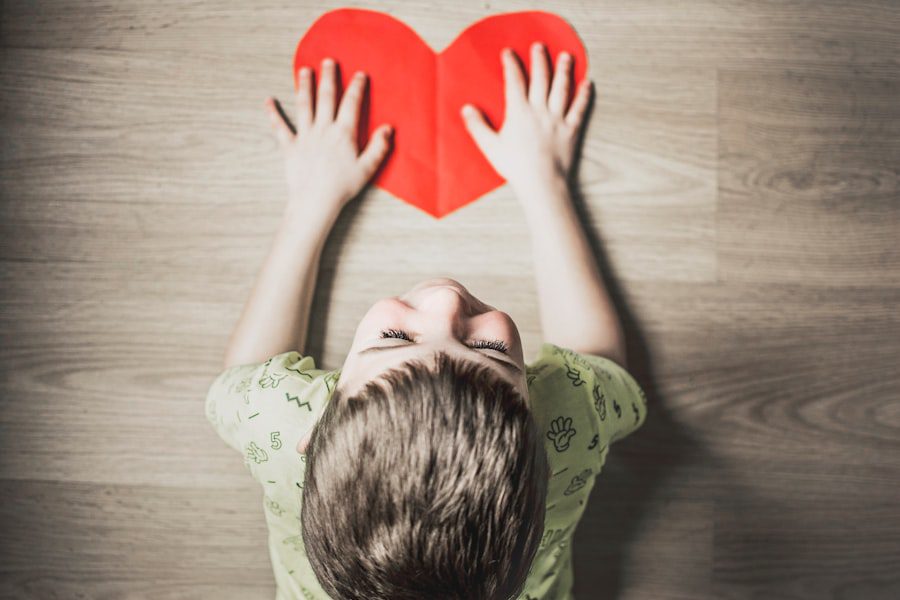
Love has historically been a catalyst for social change, inspiring movements that challenge injustice and inequality. The civil rights movement in the United States serves as a poignant example of how love for one’s community can drive individuals to fight against systemic oppression. Leaders like Martin Luther King Jr.
emphasized love as a powerful tool for social transformation, advocating for nonviolent resistance rooted in compassion rather than hatred. This approach not only galvanized support across racial lines but also highlighted the importance of empathy in addressing societal issues. In contemporary society, love continues to fuel movements advocating for LGBTQ+ rights, gender equality, and racial justice.
Activists often emphasize the need for love and acceptance as foundational principles in their fight against discrimination. The phrase “love is love” has become synonymous with the LGBTQ+ rights movement, underscoring the idea that love should be celebrated regardless of sexual orientation or gender identity. By harnessing the power of love as a unifying force, these movements challenge societal norms and promote inclusivity on a broader scale.
Celebrating Diversity and Unity through Love
Celebrating diversity through love involves recognizing the unique contributions that different cultures bring to society while fostering an environment of unity. Festivals that honor various cultural traditions provide opportunities for individuals to come together in celebration rather than division. Events such as multicultural fairs or pride parades showcase the richness of diversity while promoting acceptance and understanding among participants.
Moreover, art plays a significant role in celebrating diversity through love. Artists often draw inspiration from their cultural backgrounds to create works that resonate with universal themes of love and connection. Literature, music, dance, and visual arts serve as mediums through which individuals can express their experiences while inviting others to engage with different perspectives.
By appreciating artistic expressions from various cultures, people can cultivate empathy and foster a sense of belonging within diverse communities.
The Role of Love in Creating Inclusive Communities
Love is fundamental in creating inclusive communities where individuals feel valued regardless of their cultural background. Inclusive communities prioritize acceptance and understanding while actively working to dismantle barriers that marginalize certain groups. Initiatives aimed at promoting diversity within schools or workplaces often emphasize the importance of fostering an environment where everyone feels safe to express their identity.
Community leaders play a crucial role in cultivating this sense of inclusivity by modeling behaviors rooted in love and respect. By promoting dialogue among diverse groups and encouraging collaboration on community projects, leaders can create spaces where individuals feel empowered to share their stories and experiences. Such efforts not only strengthen community bonds but also contribute to a culture of acceptance that celebrates differences rather than fearing them.
In conclusion, love serves as a powerful force capable of bridging cultural divides by fostering understanding, empathy, and acceptance among diverse groups. Through shared values and beliefs, individuals can build connections that transcend superficial differences while advocating for social change rooted in compassion. Celebrating diversity through love enriches communities by creating inclusive environments where everyone feels valued—a testament to the enduring power of love in shaping our world for the better.