
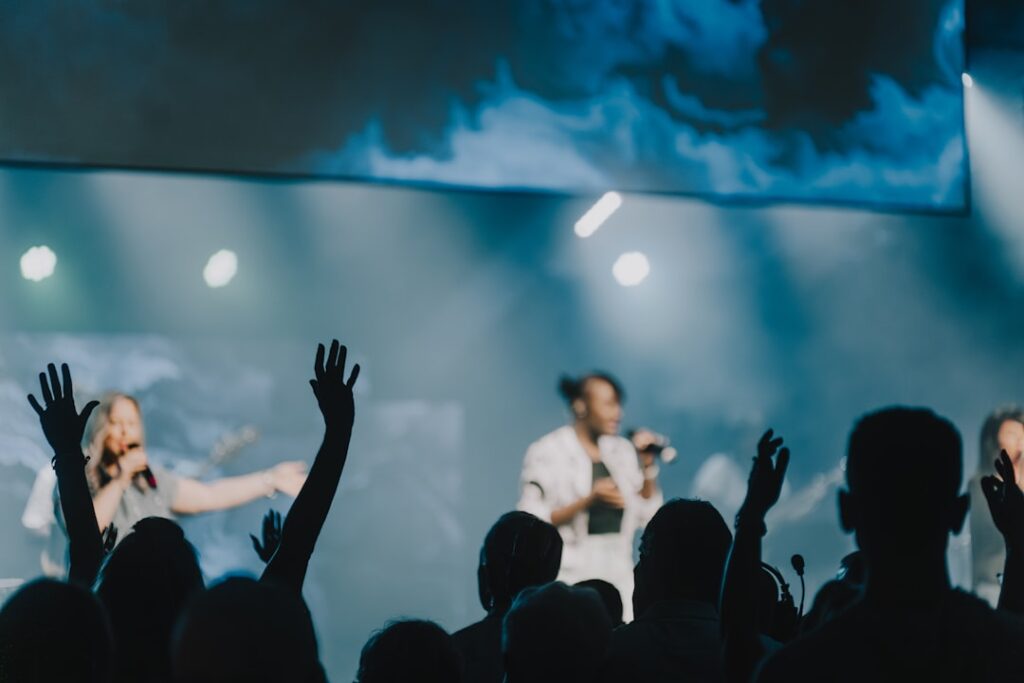
A faith-filled culture serves as the bedrock for individuals and communities seeking purpose, direction, and a sense of belonging. It is a framework that shapes values, influences behavior, and fosters a collective identity rooted in shared beliefs. In such an environment, individuals are encouraged to explore their spirituality, engage in meaningful dialogue, and develop a deeper understanding of their faith.
This culture not only nurtures personal growth but also strengthens communal bonds, creating a supportive network where members uplift one another in their spiritual journeys. Moreover, a faith-filled culture can significantly impact societal norms and practices. When a community collectively embraces faith-based principles, it often leads to the promotion of ethical behavior, compassion, and social responsibility.
For instance, communities that prioritize faith tend to engage more actively in charitable endeavors, advocating for justice and equality. This collective commitment to living out one’s beliefs can inspire transformative change, not only within the community but also in the broader society. The ripple effect of such a culture can lead to enhanced well-being, reduced conflict, and a greater sense of purpose among its members.
Key Takeaways
- A faith-filled culture is important for fostering a sense of belonging and purpose within a community.
- Building a foundation of belief and trust in God is essential for strengthening individual and collective faith.
- Fostering a community of support and encouragement helps individuals feel connected and valued in their faith journey.
- Embracing diversity and inclusivity in faith creates a welcoming and accepting environment for all individuals.
- Cultivating a spirit of worship and prayer helps to deepen one’s connection with God and strengthen the faith community.
Creating a Foundation of Belief and Trust in God
Establishing a solid foundation of belief and trust in God is essential for cultivating a faith-filled culture. This foundation begins with education and understanding of religious texts, teachings, and traditions. Engaging with scripture allows individuals to grasp the core tenets of their faith, fostering a deeper connection with the divine.
For example, regular study groups or Bible classes can provide opportunities for individuals to explore their beliefs in a structured environment, encouraging questions and discussions that lead to greater insight. In addition to education, personal experiences of faith play a crucial role in building trust in God. Individuals often find their beliefs strengthened through moments of prayer, reflection, and witnessing divine intervention in their lives.
Sharing testimonies within the community can serve as powerful reminders of God’s presence and faithfulness. When members recount their experiences of answered prayers or miraculous events, it reinforces the idea that faith is not merely theoretical but deeply personal and transformative. This shared narrative fosters an atmosphere where trust in God becomes a communal experience rather than an isolated endeavor.
Fostering a Community of Support and Encouragement

A vibrant faith-filled culture thrives on the principles of support and encouragement among its members. This sense of community is vital for individuals navigating the complexities of life, as it provides a safe space for sharing struggles and triumphs alike. Regular gatherings—whether through worship services, small groups, or social events—create opportunities for individuals to connect on a deeper level.
These interactions foster relationships built on mutual respect and understanding, allowing members to feel valued and heard. Encouragement within the community can take many forms, from simple words of affirmation to organized support systems for those facing challenges. For instance, churches often establish prayer chains or support groups for individuals dealing with illness, loss, or personal crises.
These initiatives not only provide practical assistance but also reinforce the idea that no one is alone in their struggles. The act of coming together to pray or offer help cultivates a sense of belonging and solidarity that is essential for spiritual growth.
Embracing Diversity and Inclusivity in Faith
In today’s increasingly multicultural world, embracing diversity and inclusivity within a faith-filled culture is paramount. Acknowledging and celebrating differences—whether they pertain to race, ethnicity, gender, or socioeconomic status—enriches the community’s spiritual experience. When individuals from various backgrounds come together to share their unique perspectives on faith, it fosters a deeper understanding of God’s love and grace that transcends cultural boundaries.
Inclusivity also involves creating spaces where everyone feels welcome and valued. This can be achieved through intentional outreach efforts aimed at marginalized groups or by ensuring that worship services reflect the diversity of the congregation. For example, incorporating music styles from different cultures or offering sermons that address contemporary social issues can resonate with a broader audience.
By actively promoting inclusivity, faith communities not only reflect the diversity of God’s creation but also embody the teachings of love and acceptance central to many religious traditions.
Cultivating a Spirit of Worship and Prayer
Worship and prayer are fundamental components of any faith-filled culture, serving as expressions of devotion and avenues for connection with the divine. Cultivating a spirit of worship involves creating an environment where individuals feel inspired to engage wholeheartedly in their spiritual practices. This can be achieved through various means—such as dynamic worship services that incorporate music, art, and communal participation—that invite members to express their faith creatively.
Prayer is equally vital in nurturing this spirit. Establishing regular prayer meetings or encouraging personal prayer practices can deepen individuals’ relationships with God. Moreover, teaching different forms of prayer—such as intercessory prayer, contemplative prayer, or corporate prayer—can enrich the community’s spiritual life.
When members come together to pray for one another’s needs or to seek guidance collectively, it reinforces the idea that prayer is not just an individual act but a communal lifeline that connects them to each other and to God.
Nurturing Spiritual Growth and Development

Cultivating Faith through Education
This can include offering classes on theology, spiritual disciplines, or practical applications of faith in daily life. By equipping members with knowledge and tools for spiritual development, communities empower individuals to take ownership of their faith journeys.
Mentorship: A Path to Spiritual Guidance
Mentorship programs can also play a significant role in fostering spiritual growth. Pairing seasoned members with those seeking guidance creates opportunities for one-on-one support and accountability. These relationships can help individuals navigate challenges while providing encouragement along their spiritual paths.
Immersive Experiences for Spiritual Renewal
Additionally, retreats or workshops focused on spiritual formation can offer immersive experiences that facilitate reflection and renewal. Such initiatives not only enhance individual growth but also contribute to the overall vitality of the community.
Encouraging Acts of Service and Outreach
A hallmark of a faith-filled culture is its commitment to service and outreach within the broader community. Engaging in acts of service reflects the core teachings of many religious traditions that emphasize love for one’s neighbor and social responsibility. Faith communities can organize volunteer opportunities that address local needs—such as food drives, tutoring programs, or community clean-up events—allowing members to put their beliefs into action.
Moreover, outreach initiatives can extend beyond local efforts to include global missions or partnerships with organizations working towards social justice issues. By participating in these activities, individuals not only contribute positively to society but also experience personal growth through acts of compassion and service. These experiences often lead to deeper connections among members as they work together towards common goals while embodying their faith through tangible actions.
Sustaining a Culture of Hope and Resilience
In times of uncertainty or adversity, sustaining a culture of hope and resilience becomes crucial for maintaining a faith-filled environment. Hope serves as an anchor during challenging times, reminding individuals that there is always light beyond darkness. Faith communities can cultivate this sense of hope by sharing stories of perseverance and triumph over adversity—whether through personal testimonies or collective experiences.
Resilience is equally important; it involves equipping members with the tools necessary to navigate life’s challenges while remaining grounded in their faith. This can be achieved through workshops focused on mental health awareness, coping strategies, or building emotional intelligence within a spiritual context. By fostering an atmosphere where vulnerability is embraced and support is readily available, communities empower individuals to face difficulties with courage while drawing strength from their shared beliefs.
In conclusion, nurturing a faith-filled culture requires intentionality across various dimensions—from establishing foundational beliefs to fostering community support and encouraging acts of service. By embracing diversity and inclusivity while cultivating worship and prayer practices, communities can create environments where individuals thrive spiritually. Ultimately, sustaining hope and resilience ensures that members remain anchored in their faith even amidst life’s uncertainties.