Creating a Home for the Divine Presence


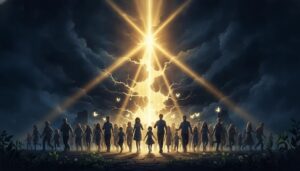
Photo by Edwin Andrade on Unsplash
In today’s world, the question of whether justice and righteousness can prevail among the nations is more relevant than ever. It’s a profound inquiry that challenges our perceptions and beliefs. Many Christians might grapple with this question, often turning to current events, news reports, and the visible struggles of sin and corruption. However, the real question we should ask is: “Lord, can justice and righteousness prevail among the nations of the earth?” This exploration of divine presence and its implications for our lives is essential.
The Importance of Hearing from God
When we seek answers from God, we might expect immediate responses, yet His communication with us often unfolds in ways we don’t anticipate. Sometimes, the silence can be frustrating, and we might feel disconnected. But understanding God’s word is critical, as it reveals His heart, character, and promises. It is through scripture that we can frame our questions and find direction. At Life Springs Church, we emphasize the importance of God’s word, recognizing its power to shape our lives.
Historical Perspectives on Church Attendance
Reflecting on church attendance, we can learn from history. Early church leaders, like John Chrysostom, criticized the lack of attendance among congregations. He pointed out that people would flock to church only on significant holidays, often treating it as an obligation rather than a source of life and community. In contrast, the Jewish culture has historically emphasized the importance of gathering and education, which has helped maintain their identity and connection to God.
The Power of God’s Word
In our journey through scripture, we encounter profound truths. For instance, in John 1:1-3, we read about the Word being with God and being God. This “Logos,” understood deeply by both Jews and Gentiles, signifies the order and reason behind creation. John’s perspective captures the essence of God’s heart, revealing that He is relational and desires communication with us.
The Relational Nature of God
God’s nature is inherently relational, emphasizing love and fellowship. The incarnation of Christ, where “the Word became flesh,” showcases this relational aspect. God did not remain distant; He entered our world, walking among us. This profound truth invites us to engage deeply with our faith, understanding that our relationship with God is central to our identity.
Understanding Grace and Truth
In John 1:16-17, we see the contrast between the law given through Moses and the grace and truth that came through Jesus Christ. The law, while essential, could only highlight our failures and the need for redemption. In contrast, Jesus embodies grace and truth, offering us the power to live righteously. This grace is not merely a comforting concept; it is transformative.
The Power of Grace
Grace is often misunderstood. It is not just about receiving what we do not deserve; it’s also about the power to change. The grace we receive through Christ empowers us to live in accordance with God’s will, fulfilling the righteous requirements of the law. This perspective shifts our understanding of the Old Testament, revealing it as a precursor to the grace we experience today.
Wrestling with God: A Path to Transformation
The story of Jacob wrestling with God highlights the importance of grappling with our faith and circumstances. Jacob’s journey reflects our struggles with identity, purpose, and destiny. In Genesis, Jacob’s encounter with God transformed him, changing his name to Israel, which means “he struggles with God.” This transformation illustrates that our struggles can lead to new identities and purposes.
The Role of Prayer in Encountering God
Prayer is a vital component of our relationship with God. It’s not merely about making requests; it’s about entering into His presence. When we pray, we ascend to the heavenly realms, bringing God’s presence back to our world. This encounter changes us, aligning our thoughts and attitudes with His truth. In His presence, we find hope, righteousness, and peace.
Creating a Home for the Divine Presence
As we reflect on our role in society, we must remember that we are called to create spaces where God’s presence can dwell. This involves building relationships, fostering communities, and striving for justice. Rabbi Jonathan Sacks emphasized that Judaism is not an escape from the world but an engagement with it. We are called to wrestle with both God and the injustices we see in society, refusing to give up hope.
The Legacy of Jacob
Jacob’s life serves as a powerful example of resilience and faith. Despite facing numerous challenges, he continually sought God’s blessing. His story reminds us that our struggles can lead to significant growth and transformation. By wrestling with God, we can emerge stronger, carrying forward the legacy of faith and hope.
Conclusion: The Call to Action
In a world filled with darkness and despair, we are called to be beacons of light. We must not shy away from our struggles but embrace them as opportunities for growth. Our experiences with God empower us to bring His presence into our communities, advocating for justice and righteousness. As we engage with God’s word and seek His presence through prayer, we create a home for the divine presence, impacting the world around us.

Photo by Swastik Arora on Unsplash
The journey of faith is ongoing, and each of us plays a vital role in constructing relationships and communities that reflect God’s love. Let us strive to be faithful co-laborers in His story, bringing hope and transformation to a world in need.
Creating a Home For the Divine Presence
(Sermon Outline)
- Do we dare to dream that justice and righteousness can prevail in the nations of the earth?
- How do you answer that question? What source do you look to for your information?
- Who we really need to hear an answer from is God.
- Life Springs is a Church that Prioritizes God’s Word for a reason
- Life Group – Unashamed Promotion
- John 1:1–3 (NKJV) — 1 In the beginning was the Word, and the Word was with God, and the Word was God. 2 He was in the beginning with God. 3 All things were made through Him, and without Him nothing was made that was made.
- John 1:14 (NKJV) — 14 And the Word became flesh and dwelt among us, and we beheld His glory, the glory as of the only begotten of the Father, full of grace and truth.
- John 1:16–17 (NKJV) — 16 And of His fullness we have all received, and grace for grace. 17 For the law was given through Moses, but grace and truth came through Jesus Christ.
- Micah 7:20 (NKJV) — 20 You will give truth to Jacob And mercy to Abraham, Which You have sworn to our fathers From days of old.
- In connection with Jacob… the prophet Micah speaks of truth. This does not imply truth in a cognitive sense (What are the facts? What is ultimately real?), but rather truth in an existential sense (Who am I? To which story do I belong and what part am I called on to play?).[1]
- The Jews have a dream of the story they belong to
- Nikolai Berdyaev –Originally a Marxist that became disillusioned with the false messianic movement was a critic of Jusiasm and became a gnostic Christian (something we will look at in the future)
- Berdyaev believed that Jews and Judaism were “obsessed by the passionate idea of justice and its terrestrial fulfilment.” They believed that redemption could be achieved on earth. The “intense Jewish striving after truth, justice and happiness” was responsible for the perennial restlessness of the Jewish spirit and its often revolutionary expression.[2]
- Judaism is not an escape from the world, but an engagement with the world. It does not anaesthetise us to the pains and apparent injustices of life. It does not reconcile us to suffering. It asks us to play our part in the most daunting undertaking ever asked by God of mankind: to construct relationships, communities, and ultimately a society, that will create a home for the Divine Presence. And that means wrestling with God and with men and refusing to give up or despair.[3]
- Jacob – the man who wrestled with the world and with God
- Called before birth to inherit the covenant and promises of God – his whole journey was wrestling with the world that sought to abort the purposes of God – but God was with Him.
- Genesis 47:9 (NKJV) — 9 And Jacob said to Pharaoh, “The days of the years of my pilgrimage are one hundred and thirty years; few and evil have been the days of the years of my life, and they have not attained to the days of the years of the life of my fathers in the days of their pilgrimage.”
- Bethel – Fleeing from Esau
- Genesis 28:10–12 (NKJV) — 10 Now Jacob went out from Beersheba and went toward Haran. 11 So he came to a certain place and stayed there all night, because the sun had set. And he took one of the stones of that place and put it at his head, and he lay down in that place to sleep. 12 Then he dreamed, and behold, a ladder was set up on the earth, and its top reached to heaven; and there the angels of God were ascending and descending on it. – then God speaks to him.
- Genesis 28:16–17 (NKJV) — 16 Then Jacob awoke from his sleep and said, “Surely the Lord is in this place, and I did not know it.” 17 And he was afraid and said, “How awesome is this place! This is none other than the house of God, and this is the gate of heaven!”
- The house of prayer – synagogue – the church – an encounter with God
- PRAYER CHANGES THE WORLD BUT CHANGES US BECAUSE WE ENCOUNTER THE PRESENCE OF GOD
- Laban – 20 years
- Jacob fled for his life from his uncle After an encounter with his Uncle Laban that turned out differently because Laban had an encounter with God in a dream:
- Genesis 32:1–2 (NKJV) — 1 So Jacob went on his way, and the angels of God met him. 2 When Jacob saw them, he said, “This is God’s camp.” And he called the name of that place Mahanaim.
- Esau
- Genesis 32:24–30 (NKJV) — 24 Then Jacob was left alone; and a Man wrestled with him until the breaking of day. 25 Now when He saw that He did not prevail against him, He touched the socket of his hip; and the socket of Jacob’s hip was out of joint as He wrestled with him. 26 And He said, “Let Me go, for the day breaks.” But he said, “I will not let You go unless You bless me!” 27 So He said to him, “What is your name?” He said, “Jacob.” 28 And He said, “Your name shall no longer be called Jacob, but Israel; for you have struggled with God and with men, and have prevailed.” 29 Then Jacob asked, saying, “Tell me Your name, I pray.” And He said, “Why is it that you ask about My name?” And He blessed him there. 30 So Jacob called the name of the place Peniel: “For I have seen God face to face, and my life is preserved.”
- I will not let you go until you bless me: These words of Jacob to the angel lie at the very core of surviving crisis. Each of us knows from personal experience that events that seemed disappointing, painful, even humiliating at the time, can be the most important in our lives…We mature and grow strong and become more understanding and forgiving through the mistakes we make. A protected life is a fragile and superficial life. Strength comes from knowing the worst and refusing to give in. Jacob has bequeathed us many gifts, but few more valuable than the obstinacy and resilience that can face hard times and say of them: “I will not let you go until you bless me.” I will not give up or move on until I have extracted something positive from this pain and turned it into blessing.[4]
- To be complete we do not need Esau’s blessings of wealth and power. Ours is another face, an alternative destiny, a different blessing. The face we bear is the image we see reflected in the face of God when we wrestle with Him and refuse to let go.[5]
- Grace and Truth through Jesus Christ
- Romans 8:2–4 (NKJV) — 2 For the law of the Spirit of life in Christ Jesus has made me free from the law of sin and death. 3 For what the law could not do in that it was weak through the flesh, God did by sending His own Son in the likeness of sinful flesh, on account of sin: He condemned sin in the flesh, 4 that the righteous requirement of the law might be fulfilled in us who do not walk according to the flesh but according to the Spirit.
- Creating a Home for the Divine Presence
[1] Sacks, Jonathan. Genesis: The Book of Beginnings (Covenant & Conversation 1) (p. 225). Kindle Edition.
[2] Sacks, Jonathan. Genesis: The Book of Beginnings (Covenant & Conversation 1) (p. 236). Kindle Edition.
[3] Sacks, Jonathan. Genesis: The Book of Beginnings (Covenant & Conversation 1) (p. 240). Kindle Edition.
[4] Sacks, Jonathan. Genesis: The Book of Beginnings (Covenant & Conversation 1) (pp. 232-234). Kindle Edition.
[5] Sacks, Jonathan. Genesis: The Book of Beginnings (Covenant & Conversation 1) (p. 227). Kindle Edition.