Forgiveness Creates a New World

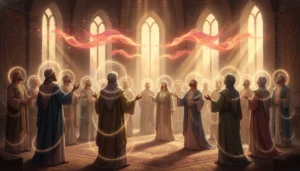
Forgiveness is a powerful concept that can transform lives and create new beginnings. In this blog, we will explore the profound implications of forgiveness as discussed in the context of Easter and the message of reconciliation. It highlights how forgiveness is not just a personal act but a collective movement towards healing and restoration.
The Significance of Easter
Easter is often viewed as a celebration of renewal and resurrection. It marks the victory over sin and death, achieved through the sacrifice of Jesus on the cross. The message of Easter encapsulates the essence of forgiveness, illustrating how it opens the door to a new world—a world free from the chains of past transgressions.

Photo by Adi Goldstein on Unsplash
The Crucifixion and Forgiveness
In Luke 23, we find a poignant moment where one of the criminals crucified alongside Jesus recognizes Him as the King and asks, “Lord, remember me when you come into your kingdom.” This act of faith, even in the face of death, showcases the power of belief and the transformative nature of forgiveness. Jesus responds, “Assuredly, I say to you, today you will be with me in paradise.” This exchange emphasizes that forgiveness is immediate and accessible, regardless of one’s past actions.
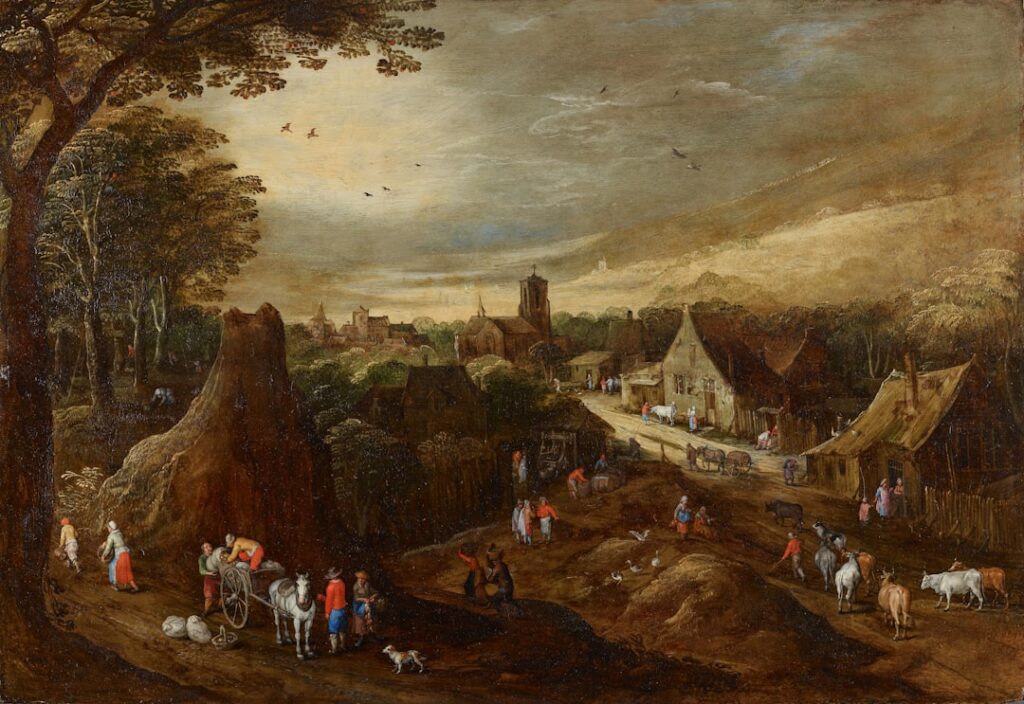
Photo by Birmingham Museums Trust on Unsplash
The Longing for Paradise
Humanity has an innate desire for paradise—a world devoid of suffering, injustice, and sorrow. This longing becomes evident in moments of grief and loss, reminding us that we were created for something greater. The darkness that enveloped the world during the crucifixion signifies the weight of sin and separation from God. However, through Jesus’ sacrifice, a path to paradise is restored.

Photo by Simon Berger on Unsplash
The Tearing of the Veil
When Jesus proclaimed, “It is finished,” the veil of the temple was torn, symbolizing the removal of barriers between humanity and God. This act signified the dawn of a new world—a world where forgiveness reigns supreme. The old world, characterized by separation and sin, was replaced by a new reality where reconciliation is possible.

Photo by William Randles on Unsplash
The Journey Towards Fulfillment
While the vision of a new world is set forth in Revelation 21, it is essential to understand that this transformation is a process requiring human cooperation. The promises of God are not merely future hopes but are actively unfolding in our lives today. Just as Abraham and Moses had to take action in response to God’s promises, we too are called to engage in the work of reconciliation.

Photo by Vlad Bagacian on Unsplash
Overcoming Challenges
The journey towards reconciliation and forgiveness is fraught with challenges. Trials and tribulations are part of the process, shaping us as we navigate our faith. Overcoming these obstacles is not a solitary endeavor; it requires community and shared purpose. As we engage with one another, we contribute to the collective healing of our world.

Photo by Helena Lopes on Unsplash
The Power of Forgiveness
Forgiveness is not just a personal act; it has far-reaching implications for society. Oz Guinness notes that without forgiveness, wrongs fester and escalate, leading to division and conflict. In a world where grievances are magnified, the act of forgiveness becomes a radical choice that can break the cycle of destruction.

Photo by Michael Olsen on Unsplash
Forgiveness and National Healing
Rabbi Jonathan Sacks emphasizes that forgiveness is essential for the life of a nation. It fosters unity and reconciliation, enabling communities to resolve conflicts and move forward. In the context of the current societal climate, the call for forgiveness is more urgent than ever. It invites individuals to rise above accusations and engage in healing dialogues.

Photo by Katherine Hanlon on Unsplash
Engaging in the Ministry of Reconciliation
As believers, we are entrusted with the ministry of reconciliation. This means actively participating in the work of healing and restoration in our communities. We are called to embody the forgiveness we have received and extend it to others, creating a ripple effect of grace and compassion.

Photo by Becca Tapert on Unsplash
Living Out Forgiveness
Forgiveness is not a one-time event but a lifestyle. It requires a continual commitment to let go of grudges and bitterness. As we practice forgiveness, we align ourselves with God’s heart, reflecting His love and mercy to those around us. This active engagement transforms not only our lives but also the lives of others.

Photo by Alexandra Gorn on Unsplash
Conclusion: A New World Awaits
The message of Easter and the power of forgiveness remind us that a new world is possible. Through faith, we can break free from the chains of the past and embrace the fullness of life offered to us. As we celebrate this season of renewal, let us commit to being agents of reconciliation, sharing the transformative power of forgiveness in a world that desperately needs it.

Photo by Ian Schneider on Unsplash
Forgiveness creates a new world, one where hope, healing, and love abound. Embrace this truth and let it guide your actions as you navigate your journey of faith.