20260118 Pr Bill Brannan — Restoring America’s Godly Heritage (Part 8)

In a time filled with fear and division, the call to restore America’s Godly heritage is more urgent than ever. This journey begins with understanding the true essence of American exceptionalism, rooted in biblical values and covenantal commitments. As we reflect on our own hearts and embrace the transformative power of love and forgiveness, we can heal our communities and nations. Discover how acts of mercy and compassion can redefine neighborliness and awaken hope, leading us toward a future where liberty and justice flourish for all. Join us in exploring this hopeful trajectory for America.

Watch the Video!

YouTube player

Why hope still matters

There is a great deal of fear and discouragement in our culture right now. People see inhumanity, division, and behaviors that tear at the fabric of community. Yet the answer is not to retreat into blame. My conviction is that America began with something rare: a biblical social architecture rooted in covenantal commitments and a vision for liberty and justice. That inheritance is recoverable, and it points to a way forward that heals rather than destroys.

What “American exceptionalism” really meant

Words can lose their original meaning. The phrase American exceptionalism has become polarizing, often reduced to notions of power and wealth. Historically, however, it described a people shaped by biblical values — a nation built as a covenantal experiment, intended to model freedom, justice, and the dignity of every human being.

Key idea: The greatness of a nation does not come from money or military might but from the moral and social structures that cultivate trust, responsibility, and human flourishing.

Covenant as social glue

A covenant creates relationship, trust, and loyalty. The earliest settlers understood this intuitively. Covenants were made on ships, in communities, and in church bodies because people recognized that stable civil society depends on reliable commitments. When covenantal life weakens, society fragments and seeks solutions in politics or commerce rather than in renewed relationships.
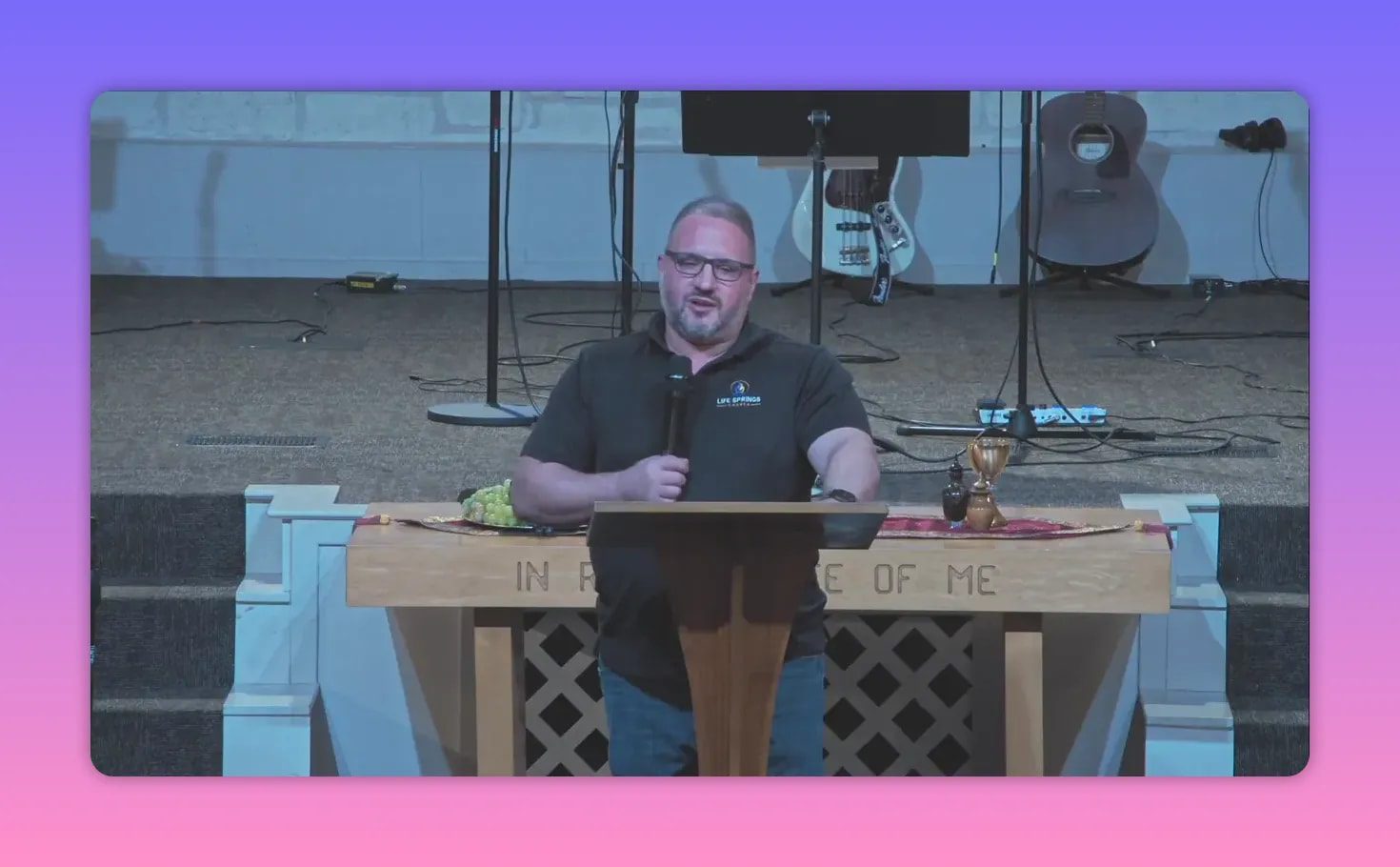
Wide shot of pastor at pulpit with grapes and chalice on the communion table

The marriage metaphor

Marriage is the simplest example of covenant at work. It binds people to stay together in good and bad, sickness and health. Civil society functions the same way when people treat one another as part of a shared “we.”

Start with ourselves: salt and light

The first task is internal. Scripture teaches we should examine our own hearts before pointing fingers. If the church is to be salt and light, it must be transformed from the inside out. When disciples truly reflect Christ, entire cultures are changed — history confirms this again and again.

Practical posture: rather than demanding others change, ask: What is God calling us to become? How will our lives model mercy, justice, and humility?

Love in action: the Good Samaritan reframed

Jesus re-told a familiar rabbinic story and flipped expectations. In the parable a priest and a Levite pass by; a Samaritan, despised in Jewish society, becomes the hero because he shows mercy. The lesson is blunt: neighborliness is defined by compassion, not by ethnic, social, or religious boundaries.
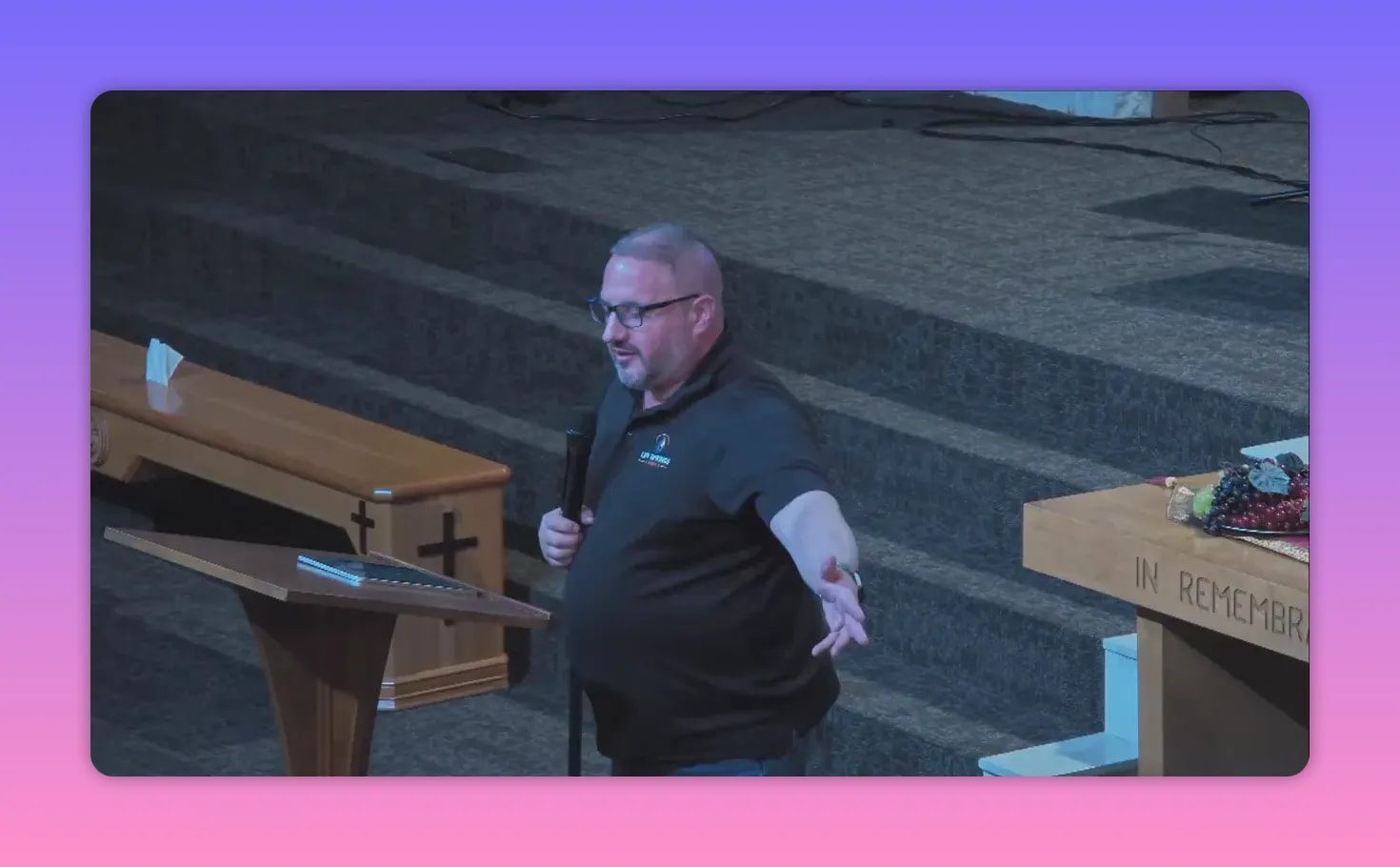
speaker at pulpit extending arm in expressive gesture, wide view showing lectern and altar

That teaching has contemporary force. Sometimes the person who best reflects the Father’s heart will be someone we least expect. The call is to love and serve — even when it is costly, surprising, or politically uncomfortable.

Real stories that resist easy labels

Around the world, people of different backgrounds have acted sacrificially to protect others. I’ve heard stories where a Muslim hid Jews from attackers, or a Muslim paramedic ignored orders to save a Jewish woman and later was publicly thanked because his act also restored his own hope. These are not exceptions that undermine faith; they are examples of humanity responding to conscience and compassion when it is awakened.
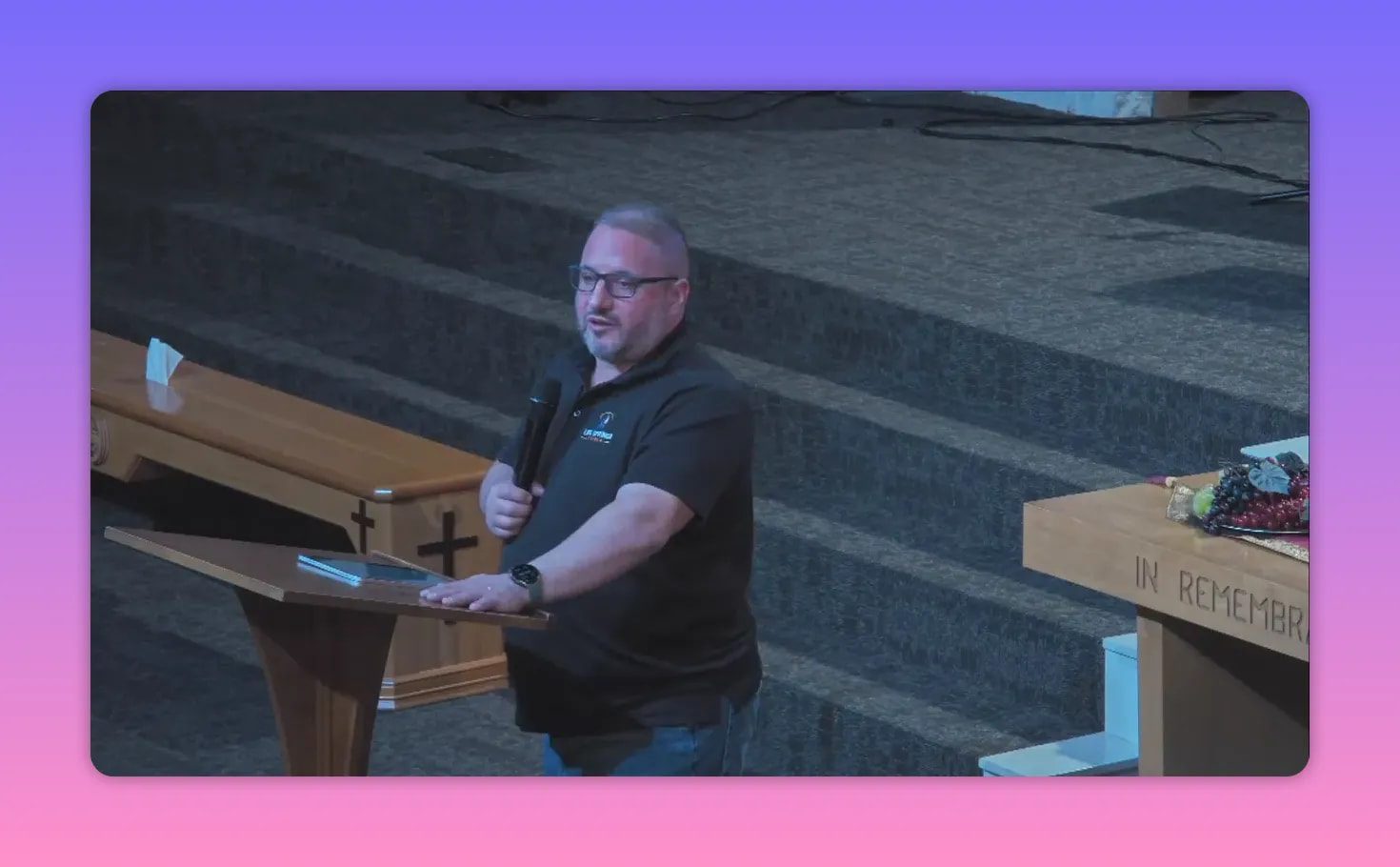
Pastor Brannan speaking at the lectern, mid-sentence, with altar visible

Forgiveness, fear, and the prison of resentment

Unforgiveness builds prisons of its own. People carry walls of bitterness that make nations harder to heal. Scripture counsels against vengeance:

Vengeance is mine; I will repay, says the Lord.

Instead of repayment, the biblical strategy is restorative: feed the hungry enemy, give the thirsty drink, do good to those who hurt you. At first it sounds naïve or even dangerous, but the aim is to awaken conscience, soften hearts, and open a path to reconciliation.
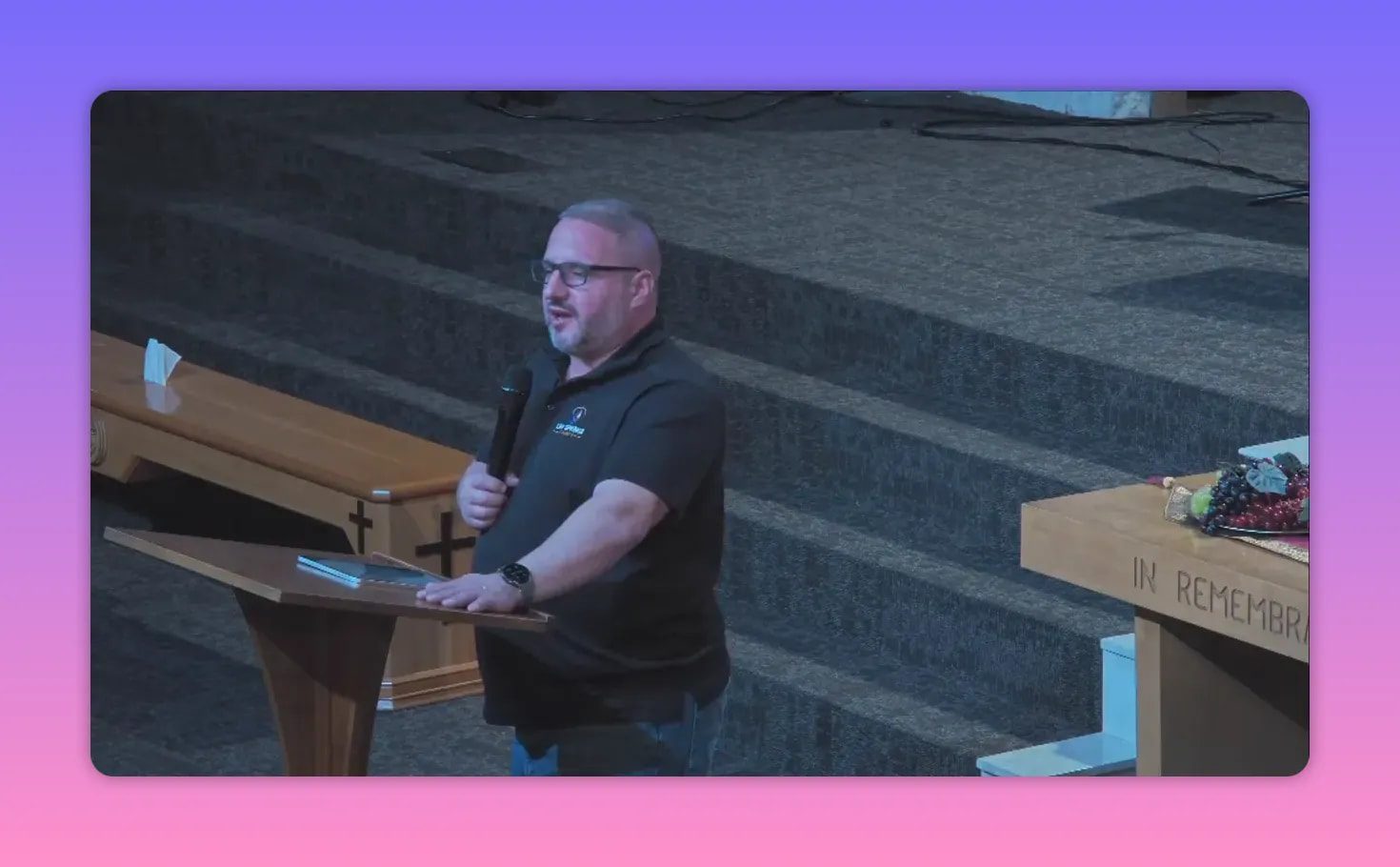
Pastor speaking into a microphone at a lectern with 'In Remembrance' on the altar

Why this works

  • It re-humanizes: Acts of mercy remind people of their shared humanity.
  • It disarms fear: Perfect love casts out fear and reduces the appetite for revenge.
  • It plants new moral habits: Generosity and forgiveness can ripple outward, restoring trust.

The cross, revival, and a practical hope

The solution to social rot is not merely political. The fundamental problem is the brokenness of the heart. The cross addresses that — not by coercion but by offering new life and the promise of transformation through the Spirit. Scripture promises a new covenant: God’s law written on the heart so people will walk in his ways.

Behold the Lamb of God, who takes away the sin of the world.
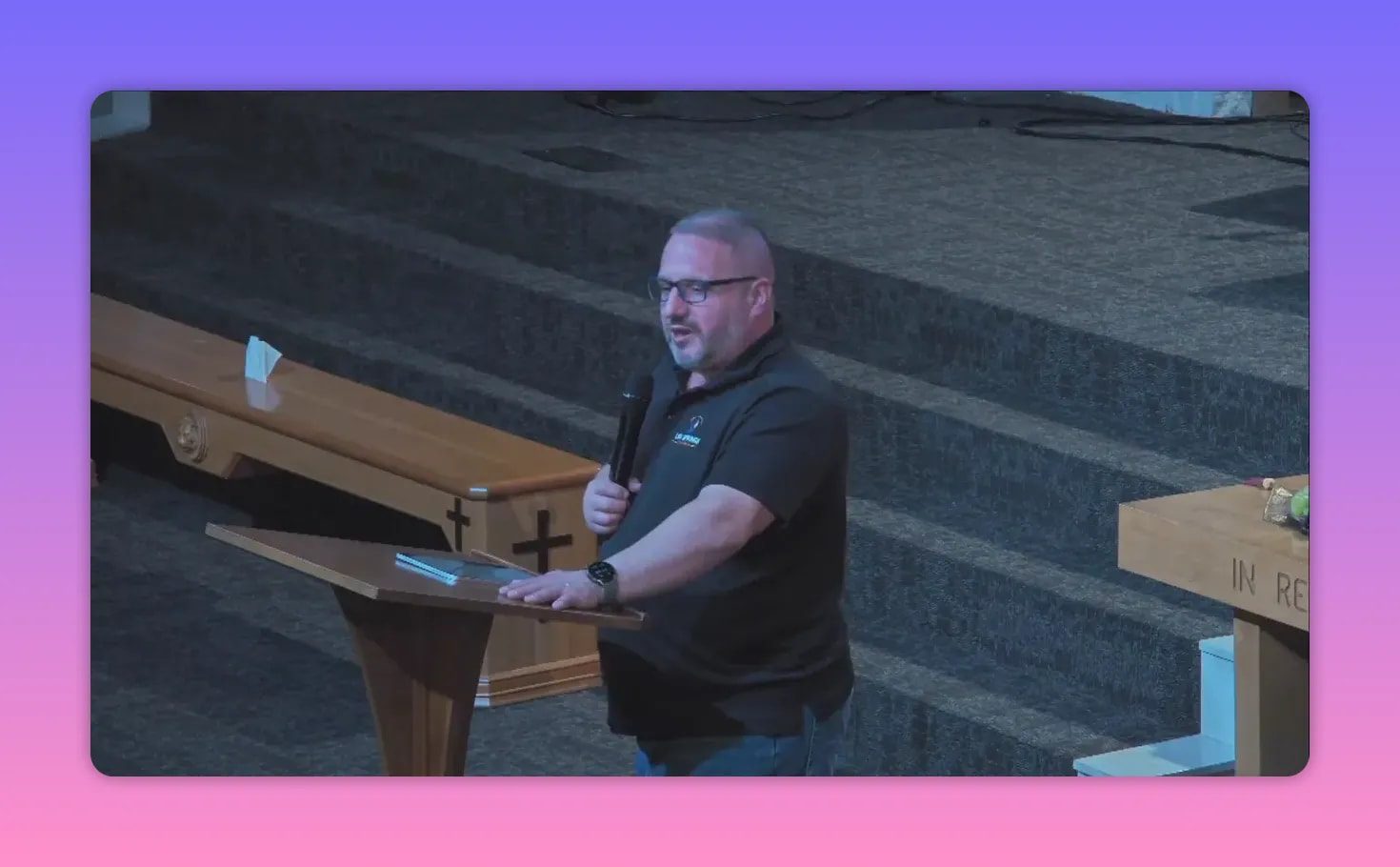
Pastor Brannan speaking at the pulpit holding a microphone, looking toward the congregation

That promise reframes activism. Revival here is not a slogan; it is an inward conforming to the beauty of holiness that overflows into public life. When individuals hunger and thirst for righteousness, the community changes. The river of life that flows from transformed hearts brings healing, fruit, and leaves for the nations.

Concrete next steps

  1. Self-examination: Ask how fear, anger, or pride shapes your responses.
  2. Cultivate compassion: Practice small acts of mercy toward those you find difficult.
  3. Teach and model forgiveness: Share the freeing power of forgiveness and the role of the Spirit in enabling it.
  4. Rebuild covenantal ties: Invest in relationships and institutions that create trust.
  5. Pray for transformation: Seek the Spirit to write God’s law on hearts and renew communities.
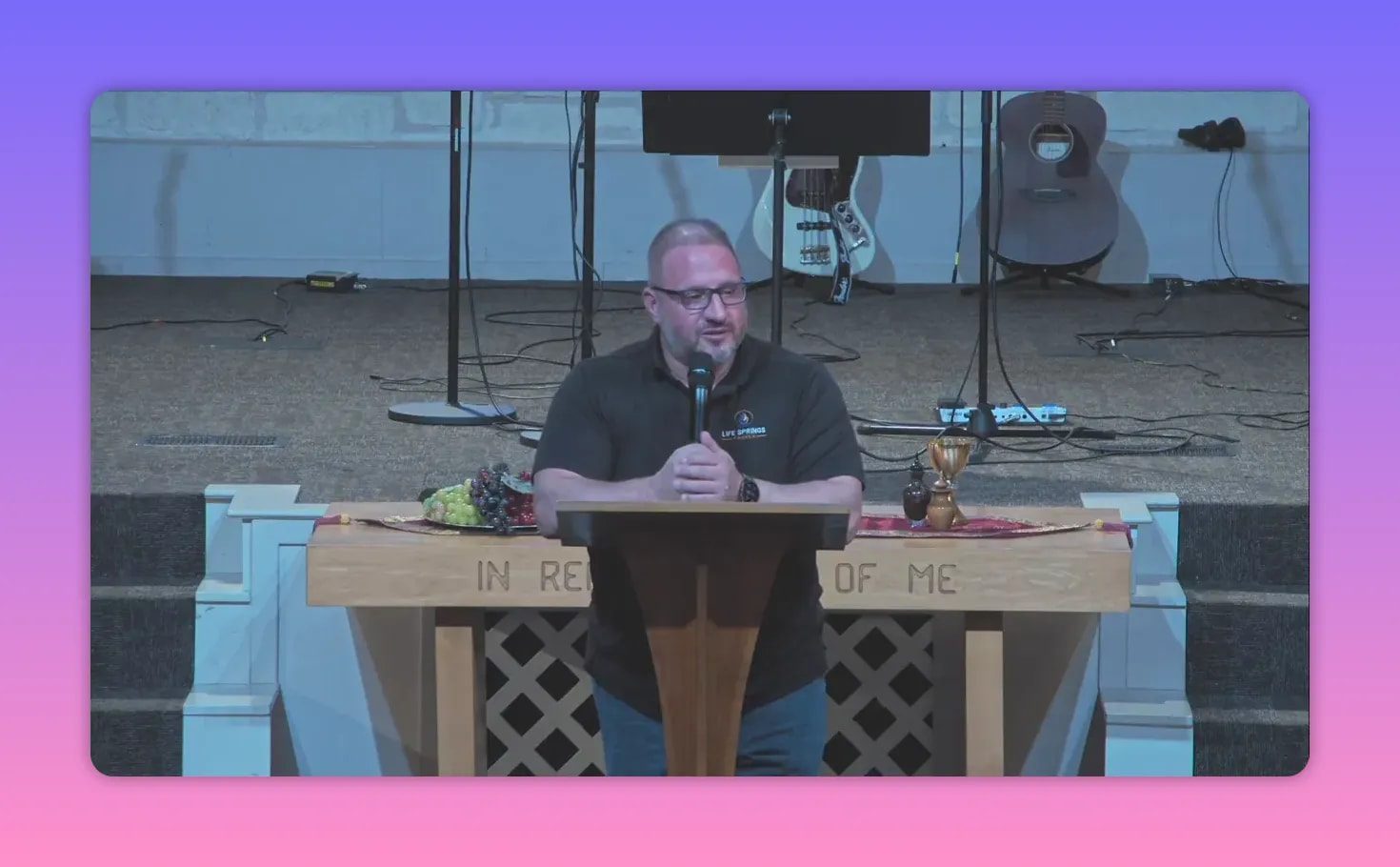
Wide shot of a pastor speaking at a lectern with communion elements on the table and musical instruments behind him.

Conclusion — a hopeful trajectory

America’s founding placed it on a trajectory toward liberty and justice for all, a trajectory that depends on renewed covenantal living and transformed hearts. The invitation is simple and radical: become the kind of people who love like the Father, serve like the Samaritan, and forgive like those set free by grace. That is the pathway to healing families, communities, and nations.

We are not perfect. We are beggars sharing bread. But when a community learns to embody mercy, the world moves toward life. The work is hard, but it is possible. The hope rests not on ideology but on a transforming power that has changed countless lives throughout history. That is why hope is reasonable and worth pursuing.

Facebook
LinkedIn
X
Email

Related Sermons

Church speaker at a podium discussing Easter hope and God’s faithfulness when hopes collapse

Why the Resurrection of Jesus Changes Everything

Every year, when Resurrection Sunday comes around, there is a sense that words are not enough. We instinctively know that what we celebrate is too weighty and beautiful to fully capture. The resurrection of Jesus is not merely a cherished doctrine; it is the turning point of history, the defeat of death, and the beginning of a new way of living. This message carries the weight of hope and victory, demanding our attention and inviting us to explore how it transforms our lives and the world around us. Discover how the resurrection shapes our faith and daily existence.

Read More »
Church speaker gesturing while teaching at lectern in church sanctuary

Why “Go and Make Disciples” Is Actually Mistranslated

What if the Great Commission isn’t a heavy burden of pressure and guilt, but an invitation to live fully in Christ? Instead of merely “going” to make disciples, imagine a life where disciple-making flows naturally from your everyday activities. This shift transforms the command into a joyful expression of faith, where you bear witness to Jesus simply by being who you are. Discover how understanding the heart of this message can liberate you from striving and lead you into a vibrant, grace-filled life that reflects the beauty of God’s kingdom in every sphere of your existence.

Read More »
Speaker raising one arm and holding a microphone during a rainy sermon at a church stage.

The New Creation Begins: The Power of the Resurrection

The resurrection of Jesus is not just a past miracle; it is the powerful beginning of a new creation that is unfolding in our world today. This transformative event declares that death, darkness, and sin do not have the final word. As we embrace the reality of Christ’s resurrection, we are invited to participate in God’s renewal of the world, moving beyond a limited gospel of escape to a vibrant faith that seeks to bring healing and hope. Discover how the resurrection empowers us to grow into mature sons and daughters of God, ready to impact our communities and creation itself.

Read More »
Pastor preaching near a church pulpit with stained glass backdrop

Overcoming Fear: Why Looking to Jesus Changes Everything

In moments when fear and anxiety seem overwhelming, the question we must ask ourselves is not just, “What do I do next?” but rather, “What am I looking at?” Hebrews 12 invites us to look unto Jesus, the author and finisher of our faith. Through the stories of imperfect people like Hezekiah and Paul, we discover that nothing is impossible with God. This journey of faith is not about controlling outcomes but about coming to Him with our burdens. Join us as we explore how looking to Jesus transforms our perspective and empowers us to overcome fear and endure life’s challenges.

Read More »
Pastor speaking from the pulpit on church steps during a sermon

Reaching the Unreached in Nigeria and Breaking Free From the Limitations We Accept

In a world filled with limitations, both external and internal, the call to break free resonates deeply. Imagine living like a powerful elephant, yet tethered by the ropes of past failures and fears. This message challenges us to confront the boundaries we’ve accepted and to embrace the freedom that Christ offers. As we reflect on the mission in Nigeria, we are reminded that the church is called to shine brightly, even in the darkest times. Are you ready to decide to break free and step into your God-given potential? Discover how you can shake off the yoke and rise.

Read More »
Preacher delivering a sermon at a church podium with microphone and open notes

Matthew 7:21-24 Explained: Does God Truly Know You?

How do you answer the question when God asks, “Where are you?” This isn’t about your physical location or church attendance; it’s a deeper inquiry into your relationship with Him. It’s possible to be active in ministry and still feel spiritually dry. Jesus warns us in Matthew 7:21-24 that not everyone who claims to know Him truly does. This message invites you to reflect on your intimacy with God, to assess where you stand in your faith, and to rekindle that genuine connection. Are you ready to take a spiritual inventory and discover where you truly are?

Read More »
Speaker behind a podium holding a microphone during a church sermon

How to Forgive When Your Flesh Demands Justice

When I think of the Garden of Eden, I picture light—a world filled with the presence of God, where heaven and earth were one. But then sin entered the story, plunging humanity into darkness. This movement from light to darkness reveals our deep longing for justice and reconciliation. The haunting cry of Abel’s blood for justice echoes through time, yet the blood of Jesus speaks a better word—mercy. Discover how the gospel breaks the cycle of vengeance and invites us into a new creation, where forgiveness becomes the pathway to healing and true community.

Read More »
Pastor speaking with open hand gestures at a church podium

Why You Feel Alone in a Crowded Church

One of the great tragedies of modern Christianity is that many people can sit in a room full of believers and still feel profoundly alone. They may attend every week, listen to solid teaching, and genuinely love Jesus, yet something still feels missing. The issue is not that church does not matter, but rather that we have often built church on a worldly model instead of the kingdom model Jesus intended. When the church aligns with God’s design, it becomes a place of healing, transformation, belonging, and encounter with the living Christ. Discover how to cultivate this authentic community.

Read More »
clear framed speaker at lectern with communion elements and guitar behind

Organic vs. Institutional: Why Relational Church Changes Everything

The church is meant to be a household, a family that models heaven on earth. When it becomes a lifeless institution driven by hierarchy and performance, it loses the essence of authentic relationship with God and one another. Imagine a community that grows organically from encounters with Jesus, where love, vulnerability, and reconciliation flourish. In a time of division, the church must reflect the beauty of every tongue, tribe, and nation. Discover how embracing relational church life can transform not just our gatherings, but our very witness to the world. Let the walls fall and experience the love that changes everything.

Read More »
Speaker gesturing toward congregation with communion table and steps behind

Authentic Relational Church — The Jerusalem Model

Christianity can appear successful by worldly standards—big buildings and large attendance—yet still miss the transforming power Jesus intended. When the church is organized by systems instead of organic, family-shaped relationships, it often fails to reflect heaven on earth. The heart of the problem is structural. A mechanistic church produces mechanical results, while a church rooted in belonging and the gospel brings life, healing, and renewal. The dream is simple: every person experiences love, welcome, and a personal encounter with Jesus. Discover how the early church’s model can inspire a thriving, relational community today.

Read More »