
Out of Many One — Restoring America’s Godly Heritage

Unity is not merely a sentimental ideal; it is central to the founding vision of our nation. But how do we achieve true unity without sacrificing individuality? The answer lies in understanding the difference between unity and conformity. While the world often enforces sameness, true biblical unity embraces diversity, binding us together through shared commitments and mutual respect. As we explore America’s covenant heritage, we discover a path that fosters authentic relationships and civic health. Join us in uncovering how covenantal life can heal divisions and create a community that truly welcomes all.

Watch the Video!

YouTube player

The vision of unity that changes everything

Psalm 133 paints a simple, powerful picture of what true unity looks like: a blessing, a fragrance, a life-giving stream that flows where brothers and sisters dwell together in harmony.

Behold, how good and pleasant it is for brethren to dwell together in unity. It is like the precious oil upon the head running down on the beard… It is like the dew of Hermon descending upon the mountains of Zion. For there the Lord has commanded the blessing, life forevermore.

Unity is not merely a sentimental ideal. It is on God’s heart and it was central to the founding vision of this nation. But pursuing unity raises real questions: Where does unity come from? What framework actually produces it? How do we handle the friction of differences without smothering people into sameness?

Unity versus conformity: a crucial distinction

The world often builds unity through conformity — a forced sameness that suppresses individuality and crushes conscience. History shows how this model breeds persecution and endless conflict, even when cloaked in religion. That pattern led many to flee for the freedom to worship and live according to conscience.

True, biblical unity looks different. It is not uniformity. It does not erase difference. Instead it holds diversity together without requiring every person to think the same way about everything.

The source of unity: the cross and covenant

The only foundation strong enough for lasting unity is Jesus Christ and the covenant community he creates. Ephesians gives this picture clearly: Christ has broken down the dividing walls and made of two one new humanity.

For he himself is our peace, who has made both one, and has broken down the middle wall of separation… so as to create in himself one new man from the two, thus making peace.
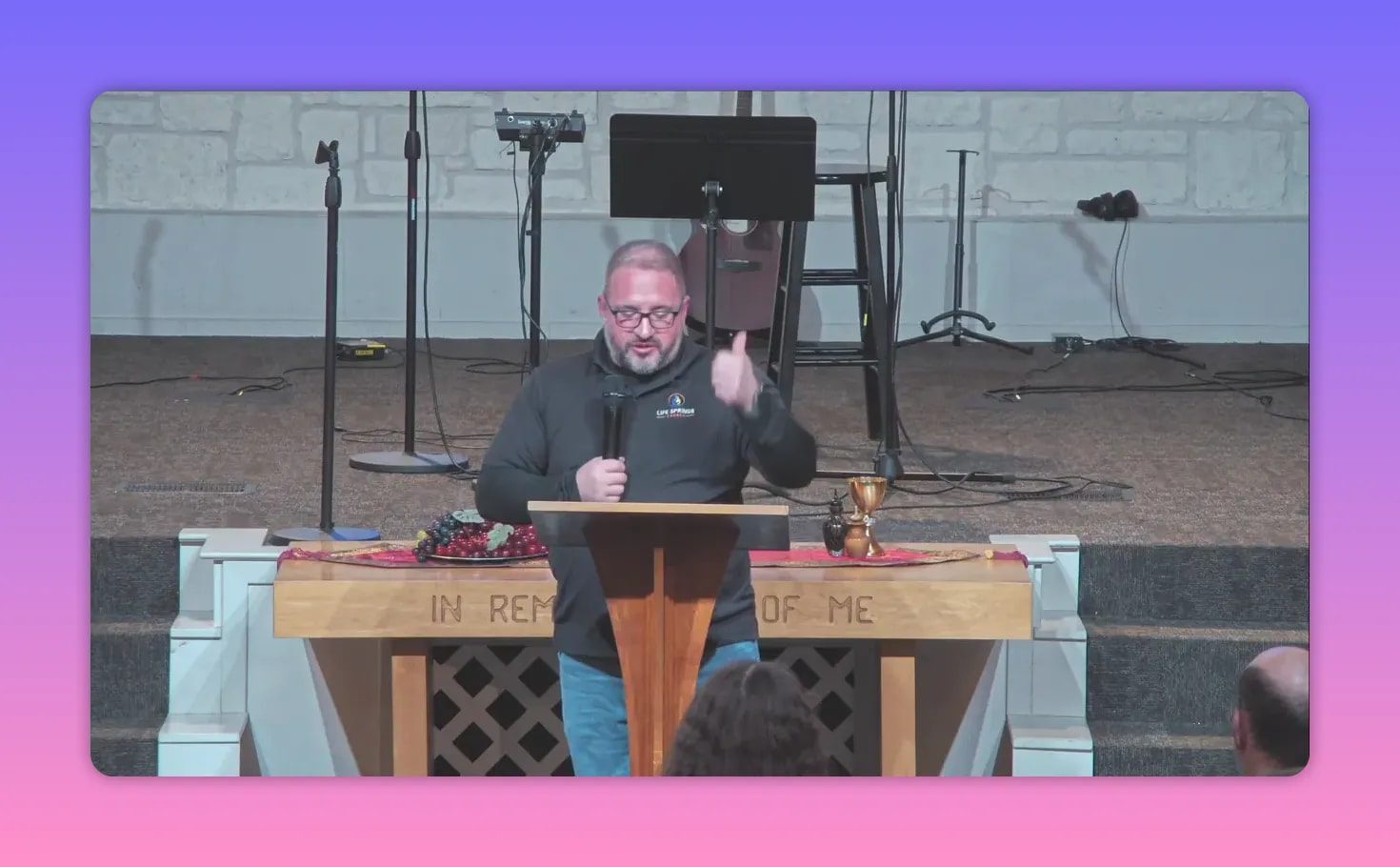
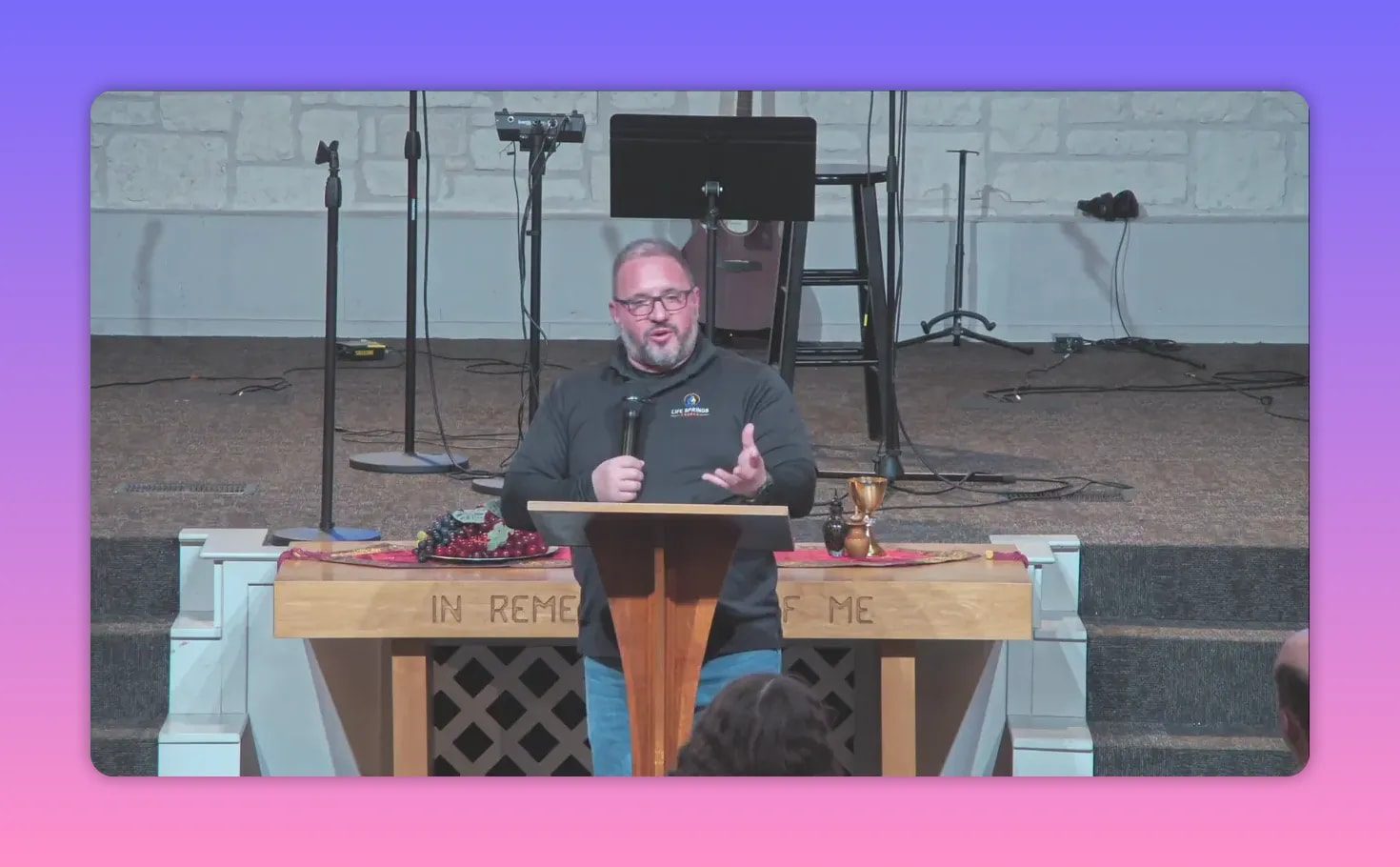
Pastor gesturing at a pulpit with communion elements on the table and the words 'IN REMEMBER OF ME' carved into the front.

Covenant is the practical framework that holds a plural community together. Unlike conformity, covenant does not demand identical beliefs on every point. It binds people together around shared commitments — the common good, mutual care, respect for conscience, and loyalty to the truth revealed in Scripture.
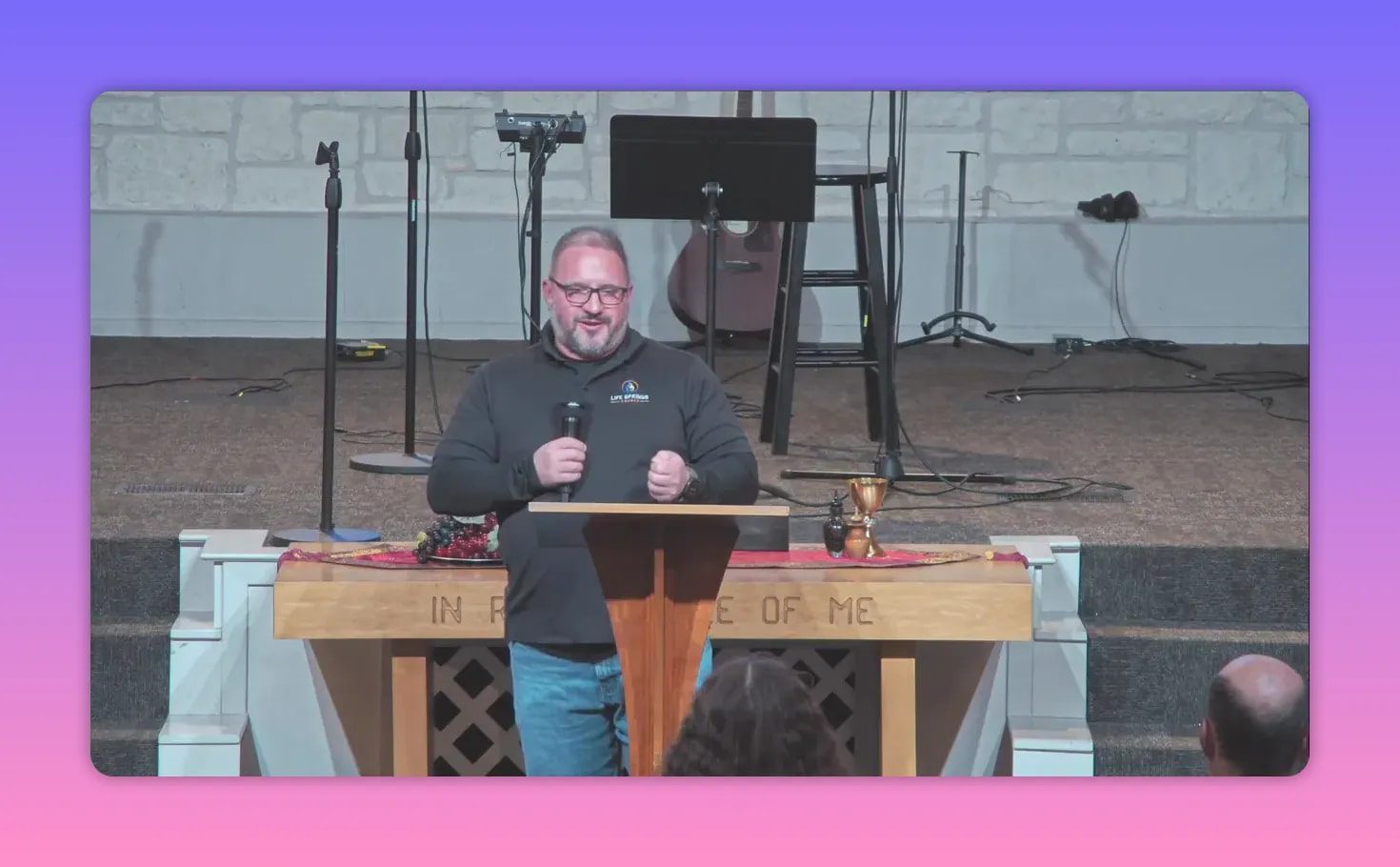
speaker at church lectern with communion cup and 'In Remembrance of Me' on the altar clearly visible

America’s covenant heritage: e pluribus unum

Long before “In God We Trust” became the official motto, the United States lived by a de facto creed: e pluribus unum — out of many, one. That phrase captured a covenantal aspiration: to welcome strangers while expecting assimilation into a moral and civic culture that promoted flourishing.

Emma Lazarus’s poem on the Statue of Liberty still reflects that hope:

Give me your tired, your poor, your huddled masses yearning to breathe free… I lift my lamp beside the golden door.
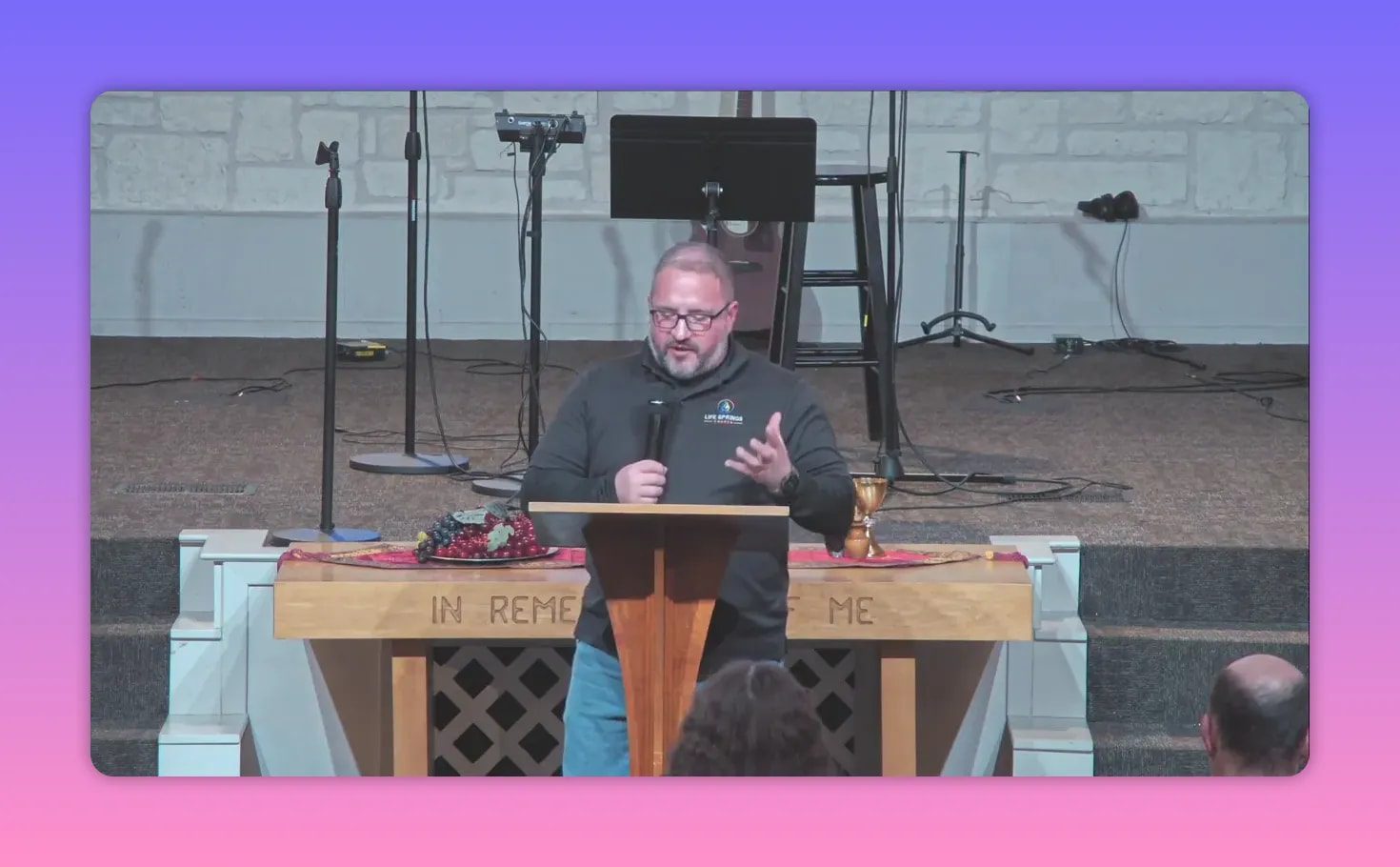
Speaker at pulpit with open hand gesture, communion elements on the table behind him

The founders believed a self-governing republic requires a moral and religious people. They used Scripture as a moral textbook for society, printed Bibles for the public, and trusted that shared virtues would sustain public life until more could come to faith.

Why covenant works where coercion fails

Covenant is politics without power and economics without pure self-interest. It is a binding promise to pursue the common good while respecting the freedom and integrity of each person. Rabbi Sacks put it well: covenant turns you and I into we.

  • Respects difference: Covenant allows disagreement without turning it into division.
  • Creates mutual responsibility: Parties bind themselves to care for one another.
  • Focuses on the common good: Shared commitments govern public life rather than party dominance or coercive power.

Practical challenges: politics, church life, and families

Division is visible everywhere: families sever ties over politics, congregations fracture because of doctrinal or political differences, and public conversation often slides into dehumanizing rhetoric. Two false responses are common:

  1. Unity through conformity: Forcing silence or uniformity kills authenticity and becomes spiritual tyranny.
  2. Unity through compromise: Flattening convictions to keep the peace produces shallow fellowship and anemic witness.

The healthier path is unity in diversity through covenant. Churches must model it first: togetherness built on baptismal and gospel commitments, not political agreement or doctrinal uniformity on secondary issues. In such communities, different voices are heard, debated with charity, and held together by shared loyalty to Christ.

Practically, this means:

  • Encouraging open, charitable conversation across political and theological differences.
  • Teaching civic and biblical literacy so people understand the responsibilities of self-government.
  • Learning covenantal practices — public promises, mutual accountability, and sacrificial service — inside families, churches, businesses, and civic institutions.

Hope for the nations: Isaiah’s vision and the call to repair

Isaiah 58 describes the kind of fast God chooses: loosing bonds, lifting burdens, sharing bread with the hungry, sheltering the outcast. When covenant people live this way, healing and restoration follow — “you shall be called the repairer of the breach.”
preacher gesturing at pulpit with communion elements on the table

Is it not to share your bread with the hungry, and that you bring to your house the poor who are cast out?… Then your light shall break forth like the morning.

The revival of civic health and social trust will take generations, but it starts with renewed commitment to covenantal life: families teaching virtues, churches modeling unity in diversity, and citizens exercising the duties of self-government.

How to begin

Small, faithful steps reorient a culture. Start where you are:

  • Make covenantal commitments visible: public promises in families and congregations that emphasize service, mercy, and mutual respect.
  • Teach the principles of liberty: educate children and neighbors on rights, responsibilities, and the limits of government.
  • Prioritize charity in disagreement: insist that opponents remain fellow image-bearers worthy of dignity and love.

Final word

The wounds of a divided house are deep, but the remedy is not more coercion or more capitulation. It is covenant grounded in the cross — a community that tolerates difference, pursues the common good, and loves sacrificially. That is the pattern that can make America the kind of place that truly welcomes the tired and the poor, that rebuilds old waste places, and that becomes a light in dark times.


Facebook
LinkedIn
X
Email

Related Sermons

Church speaker at a podium discussing Easter hope and God’s faithfulness when hopes collapse

Why the Resurrection of Jesus Changes Everything

Every year, when Resurrection Sunday comes around, there is a sense that words are not enough. We instinctively know that what we celebrate is too weighty and beautiful to fully capture. The resurrection of Jesus is not merely a cherished doctrine; it is the turning point of history, the defeat of death, and the beginning of a new way of living. This message carries the weight of hope and victory, demanding our attention and inviting us to explore how it transforms our lives and the world around us. Discover how the resurrection shapes our faith and daily existence.

Read More »
Church speaker gesturing while teaching at lectern in church sanctuary

Why “Go and Make Disciples” Is Actually Mistranslated

What if the Great Commission isn’t a heavy burden of pressure and guilt, but an invitation to live fully in Christ? Instead of merely “going” to make disciples, imagine a life where disciple-making flows naturally from your everyday activities. This shift transforms the command into a joyful expression of faith, where you bear witness to Jesus simply by being who you are. Discover how understanding the heart of this message can liberate you from striving and lead you into a vibrant, grace-filled life that reflects the beauty of God’s kingdom in every sphere of your existence.

Read More »
Speaker raising one arm and holding a microphone during a rainy sermon at a church stage.

The New Creation Begins: The Power of the Resurrection

The resurrection of Jesus is not just a past miracle; it is the powerful beginning of a new creation that is unfolding in our world today. This transformative event declares that death, darkness, and sin do not have the final word. As we embrace the reality of Christ’s resurrection, we are invited to participate in God’s renewal of the world, moving beyond a limited gospel of escape to a vibrant faith that seeks to bring healing and hope. Discover how the resurrection empowers us to grow into mature sons and daughters of God, ready to impact our communities and creation itself.

Read More »
Pastor preaching near a church pulpit with stained glass backdrop

Overcoming Fear: Why Looking to Jesus Changes Everything

In moments when fear and anxiety seem overwhelming, the question we must ask ourselves is not just, “What do I do next?” but rather, “What am I looking at?” Hebrews 12 invites us to look unto Jesus, the author and finisher of our faith. Through the stories of imperfect people like Hezekiah and Paul, we discover that nothing is impossible with God. This journey of faith is not about controlling outcomes but about coming to Him with our burdens. Join us as we explore how looking to Jesus transforms our perspective and empowers us to overcome fear and endure life’s challenges.

Read More »
Pastor speaking from the pulpit on church steps during a sermon

Reaching the Unreached in Nigeria and Breaking Free From the Limitations We Accept

In a world filled with limitations, both external and internal, the call to break free resonates deeply. Imagine living like a powerful elephant, yet tethered by the ropes of past failures and fears. This message challenges us to confront the boundaries we’ve accepted and to embrace the freedom that Christ offers. As we reflect on the mission in Nigeria, we are reminded that the church is called to shine brightly, even in the darkest times. Are you ready to decide to break free and step into your God-given potential? Discover how you can shake off the yoke and rise.

Read More »
Preacher delivering a sermon at a church podium with microphone and open notes

Matthew 7:21-24 Explained: Does God Truly Know You?

How do you answer the question when God asks, “Where are you?” This isn’t about your physical location or church attendance; it’s a deeper inquiry into your relationship with Him. It’s possible to be active in ministry and still feel spiritually dry. Jesus warns us in Matthew 7:21-24 that not everyone who claims to know Him truly does. This message invites you to reflect on your intimacy with God, to assess where you stand in your faith, and to rekindle that genuine connection. Are you ready to take a spiritual inventory and discover where you truly are?

Read More »
Speaker behind a podium holding a microphone during a church sermon

How to Forgive When Your Flesh Demands Justice

When I think of the Garden of Eden, I picture light—a world filled with the presence of God, where heaven and earth were one. But then sin entered the story, plunging humanity into darkness. This movement from light to darkness reveals our deep longing for justice and reconciliation. The haunting cry of Abel’s blood for justice echoes through time, yet the blood of Jesus speaks a better word—mercy. Discover how the gospel breaks the cycle of vengeance and invites us into a new creation, where forgiveness becomes the pathway to healing and true community.

Read More »
Pastor speaking with open hand gestures at a church podium

Why You Feel Alone in a Crowded Church

One of the great tragedies of modern Christianity is that many people can sit in a room full of believers and still feel profoundly alone. They may attend every week, listen to solid teaching, and genuinely love Jesus, yet something still feels missing. The issue is not that church does not matter, but rather that we have often built church on a worldly model instead of the kingdom model Jesus intended. When the church aligns with God’s design, it becomes a place of healing, transformation, belonging, and encounter with the living Christ. Discover how to cultivate this authentic community.

Read More »
clear framed speaker at lectern with communion elements and guitar behind

Organic vs. Institutional: Why Relational Church Changes Everything

The church is meant to be a household, a family that models heaven on earth. When it becomes a lifeless institution driven by hierarchy and performance, it loses the essence of authentic relationship with God and one another. Imagine a community that grows organically from encounters with Jesus, where love, vulnerability, and reconciliation flourish. In a time of division, the church must reflect the beauty of every tongue, tribe, and nation. Discover how embracing relational church life can transform not just our gatherings, but our very witness to the world. Let the walls fall and experience the love that changes everything.

Read More »
Speaker gesturing toward congregation with communion table and steps behind

Authentic Relational Church — The Jerusalem Model

Christianity can appear successful by worldly standards—big buildings and large attendance—yet still miss the transforming power Jesus intended. When the church is organized by systems instead of organic, family-shaped relationships, it often fails to reflect heaven on earth. The heart of the problem is structural. A mechanistic church produces mechanical results, while a church rooted in belonging and the gospel brings life, healing, and renewal. The dream is simple: every person experiences love, welcome, and a personal encounter with Jesus. Discover how the early church’s model can inspire a thriving, relational community today.

Read More »






