Why Jesus Is More Than Christmas History

Why do you celebrate Christmas? Is it merely a cultural rhythm marked on the calendar, or is it because the person born in Bethlehem transformed your life? The difference between celebrating out of duty and celebrating out of encounter is subtle but enormous. When we treat the Christmas story as memory, it becomes part of our identity, shaping how we answer the big questions of life. This Christmas, remember the One born in Bethlehem not just as a historical fact, but as a living revelation that fuels your joy, hope, and purpose. Discover how to let this memory empower your life.

Watch the Video!

YouTube player

Why do you celebrate Christmas? Is it because it is what you are supposed to do, a cultural rhythm marked on the calendar? Or is it because the person born in Bethlehem changed your life—the One whose grace shapes your identity, lights your joy, and renews your hope? The difference between celebrating out of duty and celebrating out of encounter is subtle but enormous. One is the letter. The other is the spirit. One reads like a distant fact. The other lives like a memory that shapes who you are.

Memory versus history: two ways to hold the Christmas story

History gives facts. Memory makes those facts ours. When we treat the Christmas story as history only, it sits on a shelf of facts we read and move on from. When we treat it as memory, it becomes part of our identity—woven into how we answer the big questions: Who am I? Why am I here? What gives life meaning?

Remembering the birth of Jesus as our story connects us to the promise that God is not distant. It ties personal identity to cosmic purpose. It turns a piece of information into a lamp that lights the path forward.

Seeing Jesus: the principle that transforms

The most powerful way scripture transforms a life is not by information alone but by revelation. As Paul puts it, as we see him, we become like him. Seeing Jesus is not primarily a spectacular vision reserved for a few; it is the daily, growing revelation of his beauty and character that reshapes our hearts and habits.

“As we see him, we become like him.”

How do we see him? The primary channel is through hearing—through the Word. Biblical faith is first a hearing religion. We learn who Jesus is when we listen to his story in scripture, when we let the Word speak into our hearts. Regular engagement with scripture opens us to seeing Jesus, and seeing Jesus moves us from duty into desire.
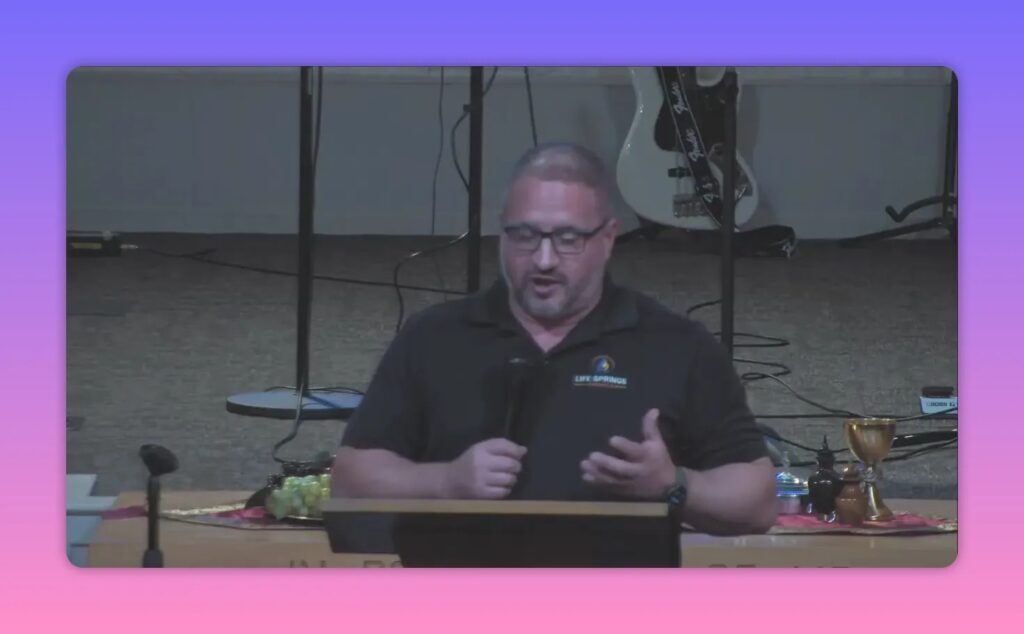
Speaker at a pulpit holding a microphone and gesturing with one hand; communion cups and plates visible on the table behind, guitar in background.

What happens when we stop seeing?

Hardened hearts, dimmed eyes, and dull ears are real dangers. Churches and people can hold the form of godliness while denying its power. Worship becomes routine, not worshipful. Scripture becomes a checklist, not a window. The remedy is simple: ask, seek, knock. Ask to see. Seek revelation. Knock for a fresh encounter.

The revelation of Christ—sovereign, radiant, alive

Scripture offers spectacular images to help us see who Jesus is: one like the Son of Man among lampstands, eyes like a flame of fire, feet like refined brass, voice like many waters. These images remind us that Jesus is present with his church, sovereign over history, alive with undimmable light, and empowered by the Word. Nothing is outside his control. That is why we do not need to fear; knowing him makes us strong and bold.
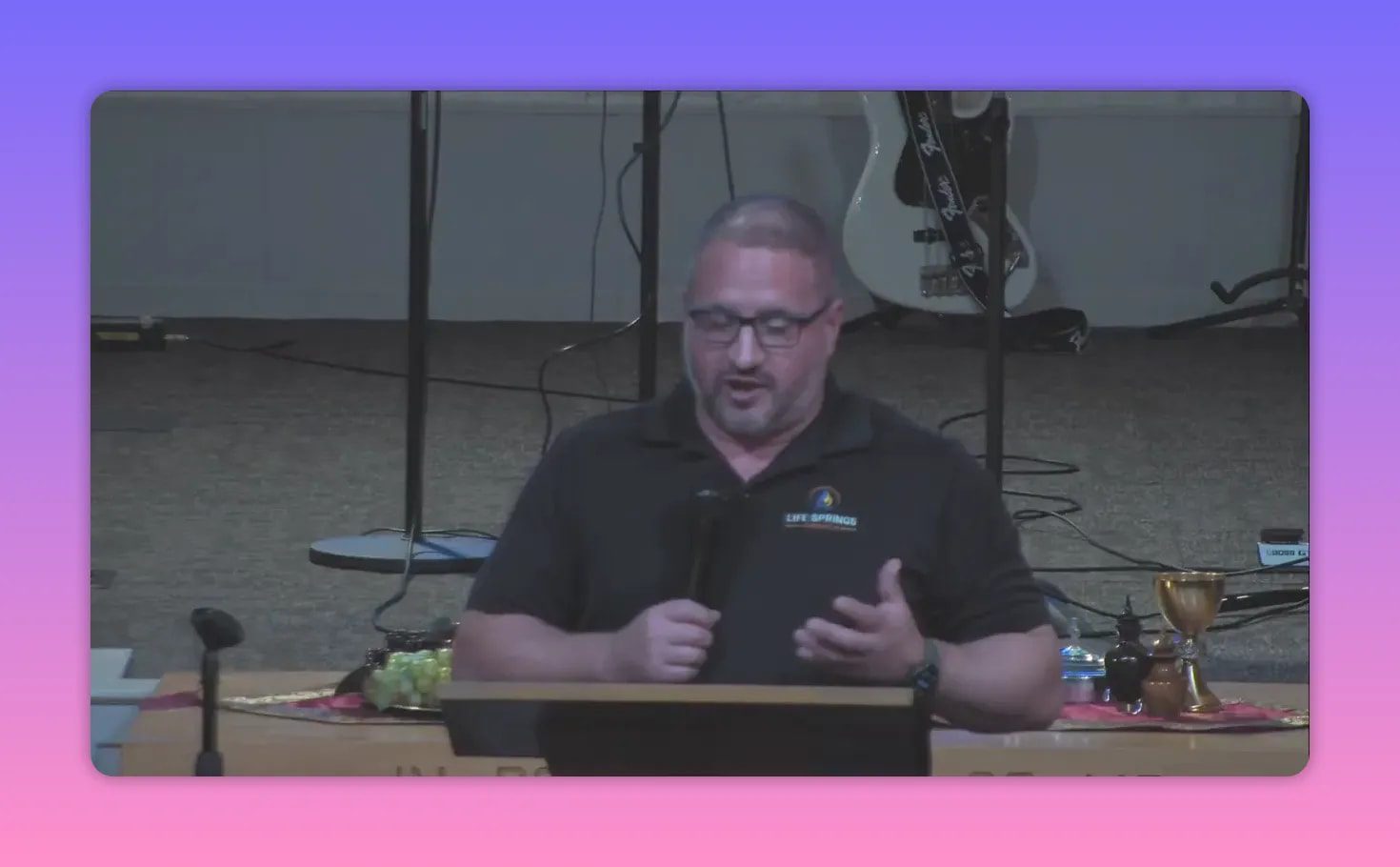
Centered view of a speaker at a pulpit holding a microphone, communion grapes and cups on the table beside him, guitar and mic stands behind.

How the Christmas story becomes our story

When the Magi traveled from the east to worship, their journey declared this truth: Messiah’s kingdom is for all peoples. The story is already arranged to show that God’s work is not limited to one nation. The contrast between those who followed the star and those in Jerusalem who were blind to the moment is a reminder that knowledge alone is not enough; perception that moves the heart is what matters.
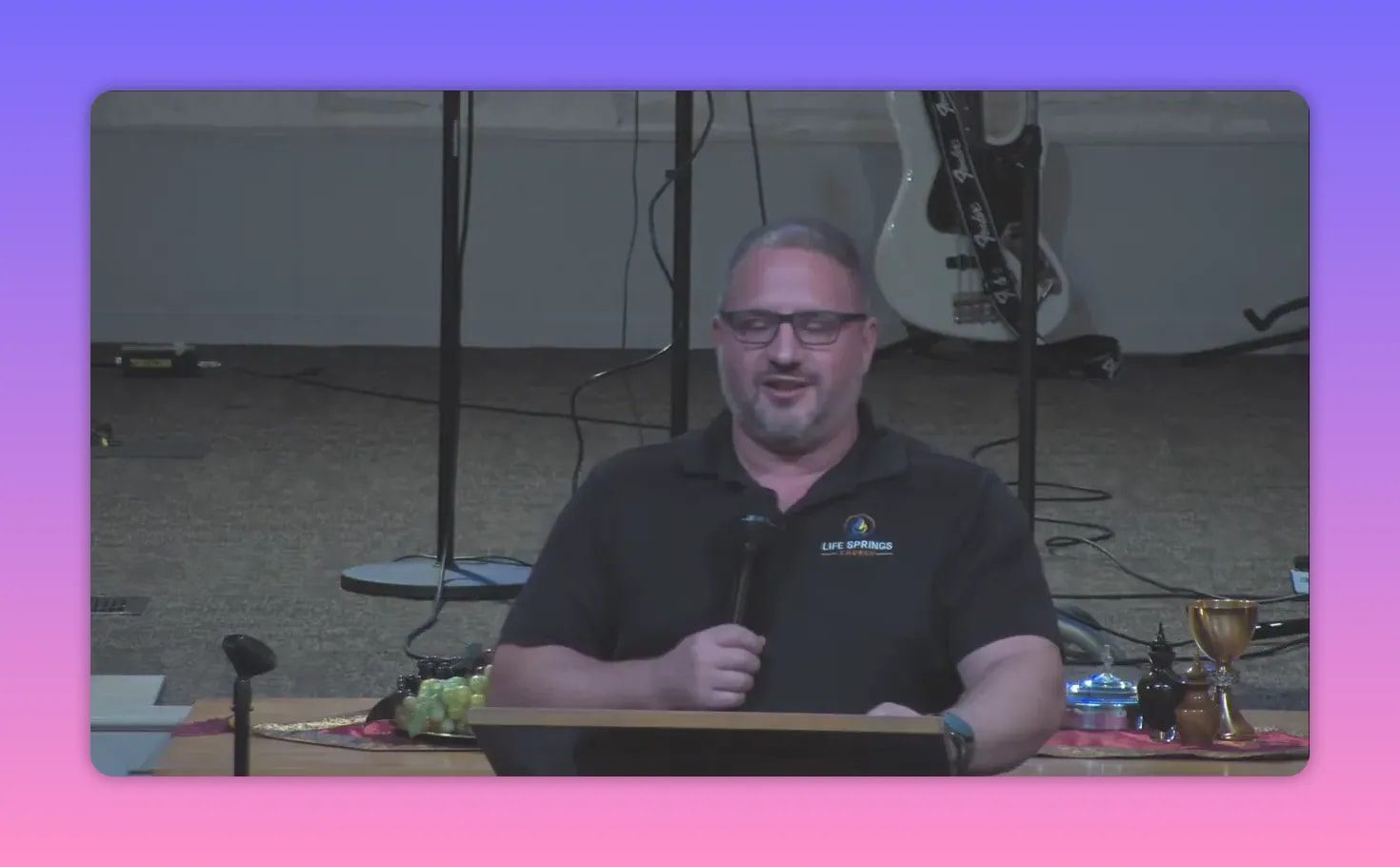
Speaker at a pulpit smiling while holding a microphone, communion chalice and plates visible to the right, stage instruments behind.

The birth of Jesus is not just the preamble to personal salvation. It is the inbreaking of a kingdom that will renew individuals and nations. Celebrating Christmas rightly means celebrating the hope that the world can be healed because the King came.

Practical directions: how a celebration becomes daily life

Transformation is not primarily about rules and more disciplines added to a checklist. It is about encountering Jesus so regularly that his life begins to flow through ours. Three practical, simple directions can help turn celebration into lasting change:

  • Experience Jesus daily. Find the practices—scripture, worship, prayer, community, and even unexpected cultural touchpoints—that open your heart to see him. Feed on what gets you on fire for Christ.
  • Aim for maturity, not just make a profession. Being born again is the start of a wilderness journey toward maturity. The goal is to be conformed into Christ’s image, becoming vessels fit for his use.
  • Walk in the Spirit, not the flesh. Learn to distinguish fruit that gives life from practices that choke it. Evaluate by the fruit produced: does this lead to greater love, compassion, hope, and worship?
Speaker at a pulpit facing forward and speaking into a microphone, communion cups and plates visible on the table beside him and musical instruments behind.

Each person’s path to encounter can look different. What wakes one soul may not wake another. The invitation is not to copy someone else’s routine but to discover your daily bread—those sources that cause the rivers of living water to begin flowing from you.

Rivers of living water and healing the nations

The life that begins inside individuals is meant to spread. Scripture pictures a river flowing from God’s throne that brings life wherever it goes. Mature, fruit-bearing lives planted by that river have leaves that heal nations. Healing is not only physical restoration; it is moving from bondage to liberty, from constriction to flourishing.
pastor speaking at pulpit with chalice and grapes prominently displayed

Celebrating Jesus with authentic praise, adoration, and gratitude fuels those rivers. When a church and its people seek Jesus as a living revelation—rather than settling for a lifeless form—grace flows, communities recover, and nations can be transformed.

Invitation

This Christmas, remember the One born in Bethlehem as more than a historical fact. Remember him as memory that shapes your identity. Seek to see Jesus daily. Pursue maturity. Walk in the Spirit. Feed the parts of your life that cause you to worship, to love, and to heal. Celebrate with hearts that overflow so that rivers of living water might run from your life into the world.

Celebrate Jesus—not out of duty, but out of encounter. Let the memory of his birth become the power of your life.

Amen.

Facebook
LinkedIn
X
Email

Related Sermons

Church speaker at a podium discussing Easter hope and God’s faithfulness when hopes collapse

Why the Resurrection of Jesus Changes Everything

Every year, when Resurrection Sunday comes around, there is a sense that words are not enough. We instinctively know that what we celebrate is too weighty and beautiful to fully capture. The resurrection of Jesus is not merely a cherished doctrine; it is the turning point of history, the defeat of death, and the beginning of a new way of living. This message carries the weight of hope and victory, demanding our attention and inviting us to explore how it transforms our lives and the world around us. Discover how the resurrection shapes our faith and daily existence.

Read More »
Church speaker gesturing while teaching at lectern in church sanctuary

Why “Go and Make Disciples” Is Actually Mistranslated

What if the Great Commission isn’t a heavy burden of pressure and guilt, but an invitation to live fully in Christ? Instead of merely “going” to make disciples, imagine a life where disciple-making flows naturally from your everyday activities. This shift transforms the command into a joyful expression of faith, where you bear witness to Jesus simply by being who you are. Discover how understanding the heart of this message can liberate you from striving and lead you into a vibrant, grace-filled life that reflects the beauty of God’s kingdom in every sphere of your existence.

Read More »
Speaker raising one arm and holding a microphone during a rainy sermon at a church stage.

The New Creation Begins: The Power of the Resurrection

The resurrection of Jesus is not just a past miracle; it is the powerful beginning of a new creation that is unfolding in our world today. This transformative event declares that death, darkness, and sin do not have the final word. As we embrace the reality of Christ’s resurrection, we are invited to participate in God’s renewal of the world, moving beyond a limited gospel of escape to a vibrant faith that seeks to bring healing and hope. Discover how the resurrection empowers us to grow into mature sons and daughters of God, ready to impact our communities and creation itself.

Read More »
Pastor preaching near a church pulpit with stained glass backdrop

Overcoming Fear: Why Looking to Jesus Changes Everything

In moments when fear and anxiety seem overwhelming, the question we must ask ourselves is not just, “What do I do next?” but rather, “What am I looking at?” Hebrews 12 invites us to look unto Jesus, the author and finisher of our faith. Through the stories of imperfect people like Hezekiah and Paul, we discover that nothing is impossible with God. This journey of faith is not about controlling outcomes but about coming to Him with our burdens. Join us as we explore how looking to Jesus transforms our perspective and empowers us to overcome fear and endure life’s challenges.

Read More »
Pastor speaking from the pulpit on church steps during a sermon

Reaching the Unreached in Nigeria and Breaking Free From the Limitations We Accept

In a world filled with limitations, both external and internal, the call to break free resonates deeply. Imagine living like a powerful elephant, yet tethered by the ropes of past failures and fears. This message challenges us to confront the boundaries we’ve accepted and to embrace the freedom that Christ offers. As we reflect on the mission in Nigeria, we are reminded that the church is called to shine brightly, even in the darkest times. Are you ready to decide to break free and step into your God-given potential? Discover how you can shake off the yoke and rise.

Read More »
Preacher delivering a sermon at a church podium with microphone and open notes

Matthew 7:21-24 Explained: Does God Truly Know You?

How do you answer the question when God asks, “Where are you?” This isn’t about your physical location or church attendance; it’s a deeper inquiry into your relationship with Him. It’s possible to be active in ministry and still feel spiritually dry. Jesus warns us in Matthew 7:21-24 that not everyone who claims to know Him truly does. This message invites you to reflect on your intimacy with God, to assess where you stand in your faith, and to rekindle that genuine connection. Are you ready to take a spiritual inventory and discover where you truly are?

Read More »
Speaker behind a podium holding a microphone during a church sermon

How to Forgive When Your Flesh Demands Justice

When I think of the Garden of Eden, I picture light—a world filled with the presence of God, where heaven and earth were one. But then sin entered the story, plunging humanity into darkness. This movement from light to darkness reveals our deep longing for justice and reconciliation. The haunting cry of Abel’s blood for justice echoes through time, yet the blood of Jesus speaks a better word—mercy. Discover how the gospel breaks the cycle of vengeance and invites us into a new creation, where forgiveness becomes the pathway to healing and true community.

Read More »
Pastor speaking with open hand gestures at a church podium

Why You Feel Alone in a Crowded Church

One of the great tragedies of modern Christianity is that many people can sit in a room full of believers and still feel profoundly alone. They may attend every week, listen to solid teaching, and genuinely love Jesus, yet something still feels missing. The issue is not that church does not matter, but rather that we have often built church on a worldly model instead of the kingdom model Jesus intended. When the church aligns with God’s design, it becomes a place of healing, transformation, belonging, and encounter with the living Christ. Discover how to cultivate this authentic community.

Read More »
clear framed speaker at lectern with communion elements and guitar behind

Organic vs. Institutional: Why Relational Church Changes Everything

The church is meant to be a household, a family that models heaven on earth. When it becomes a lifeless institution driven by hierarchy and performance, it loses the essence of authentic relationship with God and one another. Imagine a community that grows organically from encounters with Jesus, where love, vulnerability, and reconciliation flourish. In a time of division, the church must reflect the beauty of every tongue, tribe, and nation. Discover how embracing relational church life can transform not just our gatherings, but our very witness to the world. Let the walls fall and experience the love that changes everything.

Read More »
Speaker gesturing toward congregation with communion table and steps behind

Authentic Relational Church — The Jerusalem Model

Christianity can appear successful by worldly standards—big buildings and large attendance—yet still miss the transforming power Jesus intended. When the church is organized by systems instead of organic, family-shaped relationships, it often fails to reflect heaven on earth. The heart of the problem is structural. A mechanistic church produces mechanical results, while a church rooted in belonging and the gospel brings life, healing, and renewal. The dream is simple: every person experiences love, welcome, and a personal encounter with Jesus. Discover how the early church’s model can inspire a thriving, relational community today.

Read More »