Conquering Fear: A Path to Freedom and Hope

Explore how fear can be a tool for oppression and learn how faith, hope, and community can help us overcome it. Discover the power of love in breaking the chains of fear.

Watch the Video!

Breaking the Power of Fear

YouTube player

Fear is a powerful force that can cripple individuals and societies alike. In today’s world, it often serves as a tool for oppression and division. This blog explores the dangers of fear, particularly in the context of our culture, and how we can overcome it through faith, hope, and community.

The Nature of Fear

Fear is not merely an emotion; it is a weapon used by the enemy to undermine freedom and human flourishing. As noted by Os Guinness in his writings, the greatest enemy of liberty is fear and mistrust. These elements can lead to a breakdown of society, as they breed suspicion and division among people.

Photo by Tonik on Unsplash

In the face of modern challenges such as post-modernism, political correctness, and cultural Marxism, it is essential to recognize that fear is being manipulated to control and divide us. The attack on Western civilization is not just a political issue; it is a spiritual battle that affects our very understanding of humanity.

The Historical Context of Fear

Historically, the presence of God has been with His people through various empires, from Babylon to Rome. The message of Jesus Christ brought transformation to societies, promoting liberty and changing the course of history. Christianity has been a catalyst for significant social change, including the abolition of slavery and the promotion of individual rights.
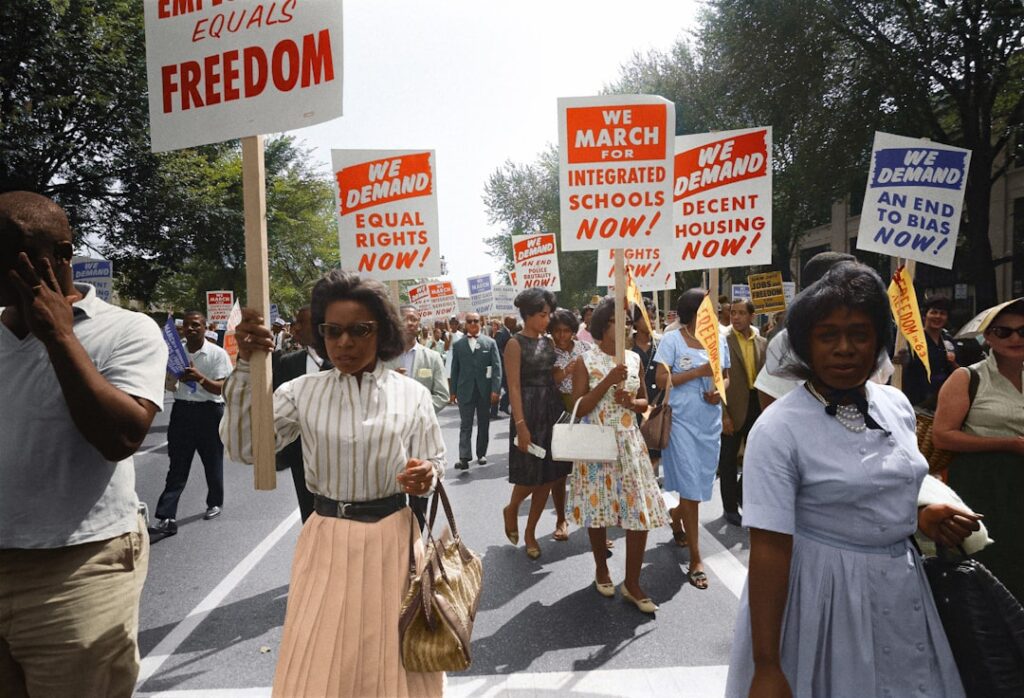
Photo by Unseen Histories on Unsplash

The value of human life and dignity stems from the belief that we are all created in the image of God. This understanding is crucial in combating the dehumanizing effects of fear, which seeks to reduce individuals to mere numbers or cogs in a machine.

The Role of Faith in Overcoming Fear

To break the power of fear, we must place our trust in God. Fear often arises from a lack of faith and an inability to see the bigger picture of God’s plan for humanity. When we focus on the challenges around us without acknowledging God’s sovereignty, we become part of the problem.
Photo by Alex Shute on Unsplash

We must remember that we wrestle not against flesh and blood but against principalities and powers. The heart of God is for all people, and He desires to reconcile everyone to Himself. This divine love is a counter to the fear that seeks to divide us.

The Importance of Perspective

The primary question that determines whether we are governed by fear or hope is: Who rules history? A worldview shaped by evolutionary thinking can lead to despair and a sense of hopelessness. However, recognizing that God is sovereign and that His plans are unfolding can provide the hope we need to face the future.

Photo by Aaron Burden on Unsplash

God’s kingdom is not governed by chance or material forces, but by His love and grace. The promise of redemption through Jesus Christ assures us that fear does not have the final say. Instead, we are called to be agents of change, spreading hope and healing in a world that desperately needs it.

The Power of the Holy Spirit

As believers, we are empowered by the Holy Spirit to overcome fear. The Spirit equips us to be bold witnesses for Christ, transforming our lives and the lives of those around us. We must actively seek the Holy Spirit’s guidance and strength, allowing Him to work through us to bring about change.

Photo by Ashley Batz on Unsplash

Fear can choke the life out of our faith, but when we walk in the Spirit, we find freedom and courage. It is essential to recognize that our focus determines what we empower. By looking to Jesus and His promises, we can overcome the fears that seek to bind us.

The Importance of Community

The church is called to be a community of believers who support one another in faith. When we come together, we can encourage one another to overcome fear and doubt. The bonds of love and trust within the church can serve as a powerful antidote to the fear that permeates society.

Photo by Vonecia Carswell on Unsplash

Our relationships within the church should reflect the covenant love of God. Just as God extends grace and forgiveness to us, we must do the same for one another. This creates an environment where individuals feel valued and empowered to live out their faith boldly.

The Call to Action

In a world filled with fear and uncertainty, we are called to be lights. We must not allow fear to dictate our actions or beliefs. Instead, we should proclaim the good news of Jesus Christ and the hope He brings to all humanity.
Photo by Nick Fewings on Unsplash

We have the power to overcome fear through faith in Jesus Christ. By believing in His sovereignty and goodness, we can face the challenges of today with courage and confidence. Let us rise up as a community of believers, breaking the power of fear and sharing the love of Christ with the world.

Conclusion

The battle against fear is ongoing, but we are not alone. God is with us and for us, and His promises are steadfast. By placing our trust in Him, we can transform our fear into faith, our despair into hope, and our isolation into community.

Let us remember that the war is for the lives and destinies of people. Together, we can be part of a great movement of liberation, spreading the message of hope and healing to a world in need.


Photo by Tonik on Unsplash

Facebook
LinkedIn
X
Email

Related Sermons

Church speaker at a podium discussing Easter hope and God’s faithfulness when hopes collapse

Why the Resurrection of Jesus Changes Everything

Every year, when Resurrection Sunday comes around, there is a sense that words are not enough. We instinctively know that what we celebrate is too weighty and beautiful to fully capture. The resurrection of Jesus is not merely a cherished doctrine; it is the turning point of history, the defeat of death, and the beginning of a new way of living. This message carries the weight of hope and victory, demanding our attention and inviting us to explore how it transforms our lives and the world around us. Discover how the resurrection shapes our faith and daily existence.

Read More »
Church speaker gesturing while teaching at lectern in church sanctuary

Why “Go and Make Disciples” Is Actually Mistranslated

What if the Great Commission isn’t a heavy burden of pressure and guilt, but an invitation to live fully in Christ? Instead of merely “going” to make disciples, imagine a life where disciple-making flows naturally from your everyday activities. This shift transforms the command into a joyful expression of faith, where you bear witness to Jesus simply by being who you are. Discover how understanding the heart of this message can liberate you from striving and lead you into a vibrant, grace-filled life that reflects the beauty of God’s kingdom in every sphere of your existence.

Read More »
Speaker raising one arm and holding a microphone during a rainy sermon at a church stage.

The New Creation Begins: The Power of the Resurrection

The resurrection of Jesus is not just a past miracle; it is the powerful beginning of a new creation that is unfolding in our world today. This transformative event declares that death, darkness, and sin do not have the final word. As we embrace the reality of Christ’s resurrection, we are invited to participate in God’s renewal of the world, moving beyond a limited gospel of escape to a vibrant faith that seeks to bring healing and hope. Discover how the resurrection empowers us to grow into mature sons and daughters of God, ready to impact our communities and creation itself.

Read More »
Pastor preaching near a church pulpit with stained glass backdrop

Overcoming Fear: Why Looking to Jesus Changes Everything

In moments when fear and anxiety seem overwhelming, the question we must ask ourselves is not just, “What do I do next?” but rather, “What am I looking at?” Hebrews 12 invites us to look unto Jesus, the author and finisher of our faith. Through the stories of imperfect people like Hezekiah and Paul, we discover that nothing is impossible with God. This journey of faith is not about controlling outcomes but about coming to Him with our burdens. Join us as we explore how looking to Jesus transforms our perspective and empowers us to overcome fear and endure life’s challenges.

Read More »
Pastor speaking from the pulpit on church steps during a sermon

Reaching the Unreached in Nigeria and Breaking Free From the Limitations We Accept

In a world filled with limitations, both external and internal, the call to break free resonates deeply. Imagine living like a powerful elephant, yet tethered by the ropes of past failures and fears. This message challenges us to confront the boundaries we’ve accepted and to embrace the freedom that Christ offers. As we reflect on the mission in Nigeria, we are reminded that the church is called to shine brightly, even in the darkest times. Are you ready to decide to break free and step into your God-given potential? Discover how you can shake off the yoke and rise.

Read More »
Preacher delivering a sermon at a church podium with microphone and open notes

Matthew 7:21-24 Explained: Does God Truly Know You?

How do you answer the question when God asks, “Where are you?” This isn’t about your physical location or church attendance; it’s a deeper inquiry into your relationship with Him. It’s possible to be active in ministry and still feel spiritually dry. Jesus warns us in Matthew 7:21-24 that not everyone who claims to know Him truly does. This message invites you to reflect on your intimacy with God, to assess where you stand in your faith, and to rekindle that genuine connection. Are you ready to take a spiritual inventory and discover where you truly are?

Read More »
Speaker behind a podium holding a microphone during a church sermon

How to Forgive When Your Flesh Demands Justice

When I think of the Garden of Eden, I picture light—a world filled with the presence of God, where heaven and earth were one. But then sin entered the story, plunging humanity into darkness. This movement from light to darkness reveals our deep longing for justice and reconciliation. The haunting cry of Abel’s blood for justice echoes through time, yet the blood of Jesus speaks a better word—mercy. Discover how the gospel breaks the cycle of vengeance and invites us into a new creation, where forgiveness becomes the pathway to healing and true community.

Read More »
Pastor speaking with open hand gestures at a church podium

Why You Feel Alone in a Crowded Church

One of the great tragedies of modern Christianity is that many people can sit in a room full of believers and still feel profoundly alone. They may attend every week, listen to solid teaching, and genuinely love Jesus, yet something still feels missing. The issue is not that church does not matter, but rather that we have often built church on a worldly model instead of the kingdom model Jesus intended. When the church aligns with God’s design, it becomes a place of healing, transformation, belonging, and encounter with the living Christ. Discover how to cultivate this authentic community.

Read More »
clear framed speaker at lectern with communion elements and guitar behind

Organic vs. Institutional: Why Relational Church Changes Everything

The church is meant to be a household, a family that models heaven on earth. When it becomes a lifeless institution driven by hierarchy and performance, it loses the essence of authentic relationship with God and one another. Imagine a community that grows organically from encounters with Jesus, where love, vulnerability, and reconciliation flourish. In a time of division, the church must reflect the beauty of every tongue, tribe, and nation. Discover how embracing relational church life can transform not just our gatherings, but our very witness to the world. Let the walls fall and experience the love that changes everything.

Read More »
Speaker gesturing toward congregation with communion table and steps behind

Authentic Relational Church — The Jerusalem Model

Christianity can appear successful by worldly standards—big buildings and large attendance—yet still miss the transforming power Jesus intended. When the church is organized by systems instead of organic, family-shaped relationships, it often fails to reflect heaven on earth. The heart of the problem is structural. A mechanistic church produces mechanical results, while a church rooted in belonging and the gospel brings life, healing, and renewal. The dream is simple: every person experiences love, welcome, and a personal encounter with Jesus. Discover how the early church’s model can inspire a thriving, relational community today.

Read More »