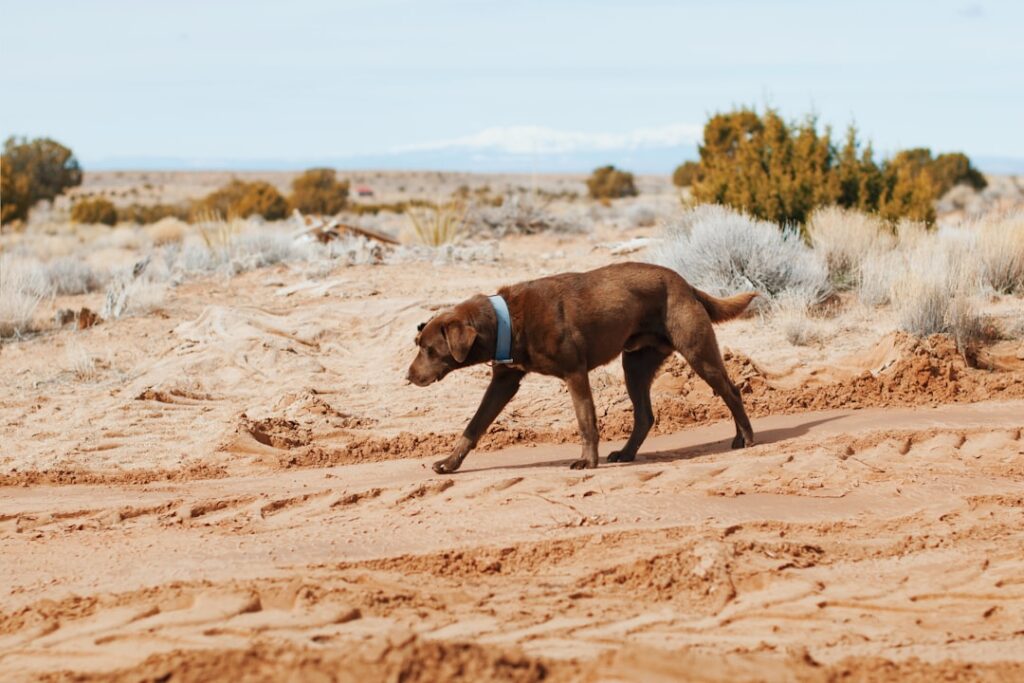
The journey of the Children of Israel is a profound narrative that transcends mere historical recounting; it embodies the essence of human experience, marked by trials, tribulations, and triumphs. This epic saga begins with the Israelites’ liberation from slavery in Egypt, a pivotal moment that set the stage for their arduous trek through the wilderness. Led by Moses, they embarked on a quest not just for physical freedom but for spiritual awakening and identity.
The journey was fraught with challenges, including hunger, thirst, and the ever-looming specter of doubt. Yet, it was also a time of divine revelation, where they received the Ten Commandments at Mount Sinai, establishing a covenant that would shape their moral and ethical framework. As they traversed the arid landscapes, the Israelites faced numerous obstacles that tested their resolve.
The desert was not merely a geographical barrier; it symbolized the internal struggles of faith and obedience. The narrative illustrates how the people often faltered, longing for the comforts of Egypt despite their enslavement. This dichotomy between past familiarity and future promise is a recurring theme, highlighting the tension between fear and faith.
The journey was not linear; it was a winding path filled with detours that ultimately led to growth and transformation. Each step taken in the wilderness was a step toward understanding their purpose and destiny as a chosen people.
Key Takeaways
- The journey of the Children of Israel teaches us about perseverance and resilience in the face of challenges.
- Finding joy in the midst of challenges is possible through gratitude and a positive mindset.
- Lessons in faith and trust are learned through the trials and tribulations of the journey, strengthening our belief in a higher power.
- Embracing the process of growth involves accepting and learning from the difficulties encountered along the way.
- Gratitude in the wilderness helps us appreciate the blessings and lessons that come from the journey, despite the hardships.
Finding Joy in the Midst of Challenges
Divine Provision and Community
For instance, when manna fell from heaven to sustain them, it was not just sustenance; it was a divine reminder of God’s provision. This miraculous food became a symbol of reliance on divine grace rather than human effort. The act of gathering manna each day fostered a sense of community and shared experience among the Israelites, reinforcing their collective identity.
Celebrating Liberation and Faithfulness
Moreover, joy manifested in communal celebrations and rituals that punctuated their journey. Festivals such as Passover served as poignant reminders of their liberation and God’s faithfulness. These moments allowed them to pause amidst their struggles and reflect on their shared history and purpose.
A Tapestry of Resilience
The act of remembering their past victories instilled hope for the future, creating a tapestry of resilience woven through shared experiences. Thus, joy became an essential element in navigating their challenges, reminding them that even in the wilderness, they were not alone.
Lessons in Faith and Trust

The journey through the wilderness was fundamentally a lesson in faith and trust for the Children of Israel. Each trial they faced served as an opportunity to deepen their reliance on God. When confronted with scarcity, such as when they ran out of water at Marah, they were forced to confront their fears and doubts.
Moses sought divine guidance, leading to the miraculous provision of sweet water from bitter springs. This incident exemplified how faith can transform dire circumstances into opportunities for divine intervention. Trust was further tested during moments of uncertainty, particularly when they approached the Promised Land.
The spies sent to scout Canaan returned with reports that incited fear among the people. Their reluctance to enter the land despite God’s promises illustrated a profound struggle with trust. This pivotal moment serves as a reminder that faith is not merely an abstract concept but an active choice to believe in what is unseen.
The consequences of their lack of trust resulted in prolonged wandering, emphasizing that faith is integral to fulfilling one’s destiny.
Embracing the Process of Growth
The wilderness experience was not just about reaching a destination; it was fundamentally about growth and transformation. The Children of Israel underwent significant changes during their journey, evolving from a group of enslaved individuals into a cohesive nation with a shared identity and purpose. This metamorphosis required embracing discomfort and uncertainty as catalysts for personal and communal development.
Each challenge they faced—be it hunger, conflict, or leadership struggles—served as an opportunity for growth. The process of growth often involves grappling with one’s limitations and fears. For instance, when faced with internal dissent or external threats, such as attacks from neighboring tribes, the Israelites had to learn to unite and support one another.
These experiences fostered resilience and solidarity among them, reinforcing the idea that growth often occurs in community rather than isolation. Embracing this process meant recognizing that every setback could lead to greater strength and understanding, ultimately shaping them into a people ready to inherit their promised future.
Gratitude in the Wilderness
Gratitude emerged as a powerful theme throughout the Israelites’ journey in the wilderness. Despite their complaints and moments of despair, there were countless instances where they were reminded to express thankfulness for God’s provisions. The daily gathering of manna was not just about sustenance; it was an invitation to cultivate gratitude for what they had rather than lamenting what they lacked.
This practice instilled a sense of appreciation for divine care amidst uncertainty. Moreover, gratitude served as a counterbalance to despair during challenging times. When faced with overwhelming odds or dire circumstances, recalling past blessings helped shift their focus from scarcity to abundance.
For example, after victories over adversaries like Amalek, songs of praise and thanksgiving were sung to honor God’s deliverance. These expressions of gratitude not only reinforced their faith but also fostered a culture of appreciation within the community. By recognizing God’s hand in their journey, they cultivated resilience and hope that would sustain them through future trials.
Overcoming Obstacles with Resilience

Resilience became a defining characteristic of the Children of Israel as they navigated their arduous journey through the wilderness. Each obstacle they encountered—be it physical challenges like crossing deserts or emotional hurdles like fear and doubt—required them to dig deep within themselves to find strength and perseverance. The narrative illustrates how resilience is not merely about enduring hardships but actively responding to them with courage and determination.
One notable example is found in their encounters with hostile nations during their travels. Rather than succumbing to fear or despair when faced with formidable foes like Sihon and Og, the Israelites rallied together under Moses’ leadership. Their ability to unite in the face of adversity demonstrated an emerging collective strength that transcended individual fears.
This resilience was rooted in their shared identity as God’s chosen people, fostering a sense of purpose that propelled them forward despite daunting challenges.
Celebrating Victories along the Way
Celebration played an essential role in the journey of the Children of Israel, serving as a vital counterpoint to their struggles. Each victory—whether small or monumental—was an opportunity to pause and acknowledge God’s faithfulness throughout their journey. These moments of celebration were not merely about triumph; they were acts of remembrance that reinforced their identity as a people chosen by God.
For instance, after defeating Amalek at Rephidim, Moses built an altar named “The Lord is My Banner” as a testament to God’s intervention in battle. This act served as both a celebration and a reminder for future generations about God’s unwavering support during times of conflict. Similarly, festivals such as Shavuot became occasions for communal rejoicing, allowing them to reflect on their journey while looking forward to what lay ahead.
By celebrating victories along the way, they cultivated a spirit of gratitude and hope that sustained them through the wilderness.
The Promised Land: A Symbol of Hope and Fulfillment
The Promised Land stands as a powerful symbol within the narrative of the Children of Israel—a representation of hope, fulfillment, and divine promise. It was not merely a geographical destination but an embodiment of everything they had longed for: freedom from oppression, abundance, and a place where they could fully realize their identity as God’s chosen people. The anticipation surrounding this land fueled their perseverance through years of wandering.
As they approached Canaan after decades in the wilderness, the significance of this moment cannot be overstated. It represented not just physical arrival but spiritual culmination—a realization that their struggles had purpose and meaning beyond themselves. The Promised Land was also a reminder that fulfillment often requires patience and endurance; it is not simply handed over but earned through faithfulness and resilience in adversity.
Thus, this land became more than just territory; it symbolized hope for generations to come—a testament to God’s unwavering commitment to His people amidst trials and tribulations.
In a related article titled The Hope of Prophets Has Arrived, the author delves into the significance of the arrival of the long-awaited Messiah and how it relates to the journey of faith experienced by the Children of Israel. Just as the Israelites found hope and redemption in their journey through the wilderness, believers today can find solace and inspiration in the fulfillment of prophecies and promises. This article explores the parallels between the faith of the Israelites and the faith required of modern-day followers of Christ.