The Hope of Prophets Has Arrived

The message titled “The Hope of Prophets Has Arrived” dives deep into the essence of prophetic calling and the hope that it brings to humanity. It emphasizes how prophets, particularly Isaiah, foretold the coming of the Messiah and how their messages resonate even today. This blog explores these themes and encourages readers to understand their role in this prophetic legacy.
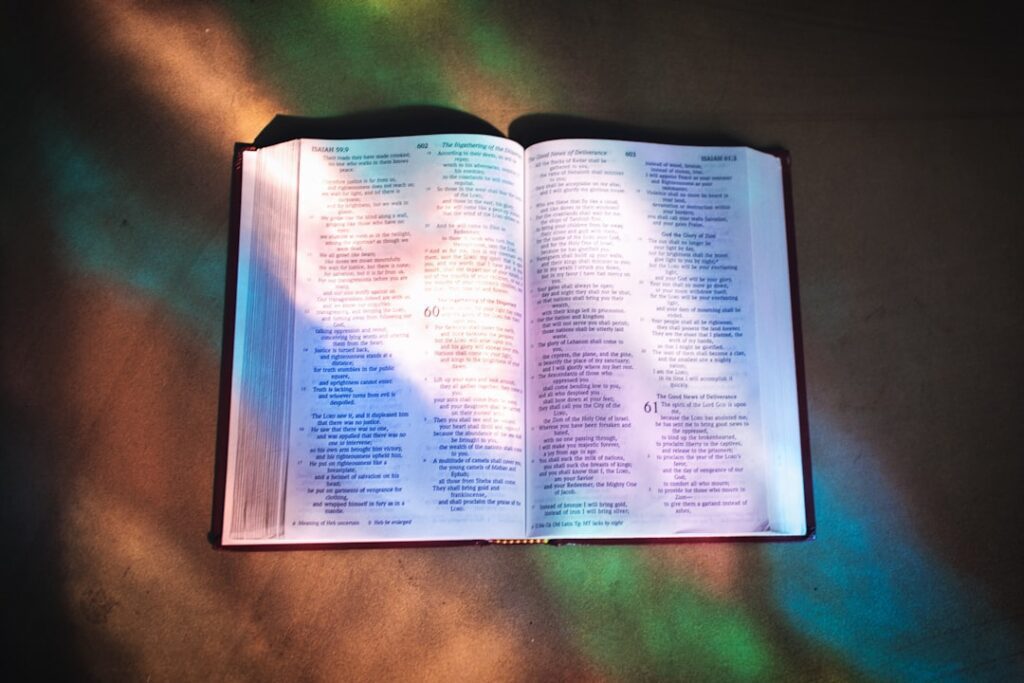
Photo by Shane Hoving on Unsplash
The Role of Prophets
Prophets have historically been seen as the messengers of God, delivering His word to the people. They were not fortune tellers, but rather covenant lawsuit lawyers who spoke God’s truth in tough times. Their mission was to guide humanity back to God, urging them to reconcile and walk in His ways. This calling is rooted in a deep desire for God’s glory and for people to experience the blessings of living in alignment with divine design.

Photo by Austin Chan on Unsplash
Understanding the Prophetic Burden
Many prophets expressed a burden for the brokenness they observed in the world. They didn’t succumb to frustration or negativity. Instead, they turned to God, seeking His guidance and wisdom. Their messages often centered on a recurring theme: “Come home.” This call to return to God is a vital part of the prophetic voice.

Photo by Josh Sonnenberg on Unsplash
The Message of Hope
Despite the rebellion they faced, prophets like Isaiah delivered hope, proclaiming that the Messiah was coming. They envisioned a future where the King would reign, restoring righteousness and justice. This hope was not just for their time but extends into our present reality. The arrival of the Messiah signifies that the kingdom of God is at hand, offering transformation and renewal for all who believe.

Photo by Mark kassinos on Unsplash
The Importance of Spiritual Gifts
In 1 Corinthians 14:1, believers are encouraged to pursue love and desire spiritual gifts, especially prophecy. These gifts are essential for building up the church and reaching the world. The empowerment of the Holy Spirit is crucial for the church to fulfill its mission. The call to prophesy is not just for a select few but for all believers who desire to be instruments of God’s message.

Photo by Chris Ensey on Unsplash
Encountering Jesus
True transformation occurs when individuals encounter Jesus. This encounter is not a one-time event; it can happen daily as believers seek Him. When hearts grow cold or compassion wanes, it’s often a sign that a fresh encounter with the Lord is needed. Staying connected to God is vital for maintaining a warm heart and a compassionate spirit.

Photo by Rosie Sun on Unsplash
The Legacy of Isaiah
Isaiah serves as a powerful example of a prophet who faced cultural challenges yet remained faithful to God. His experiences and vision of God provided a foundation for his prophetic ministry. Whether his calling began in Isaiah 6 or was a renewed encounter, his life illustrates the importance of being grounded in faith and prayer to hear God’s voice.

Photo by Ian Schneider on Unsplash
Building a Prophetic Community
God desires a prophetic people who are willing to listen and respond to His call. This requires a community committed to seeking God and His purposes. The church must be a place where believers are encouraged to use their gifts and grow in their relationship with Christ. Through unity and love, the church can effectively storm the gates of hell.

Photo by Vonecia Carswell on Unsplash
Faith and Grace
Faith is not merely believing in one’s ability; it is trusting in God’s faithfulness. The grace of God empowers transformation, and it is through faith that believers connect with this grace. Understanding that faith is a gift from God helps to shift the focus from personal achievement to reliance on His power.

Photo by Olivia Snow on Unsplash
Jesus Christ: The Cornerstone
Jesus is the cornerstone of the church, and His love for the church is profound. Ephesians 5:25-27 reminds us that Christ loves the church and is actively working to present her as a glorious entity. This highlights the importance of the church in God’s redemptive plan and the necessity of working together to fulfill its mission.

Photo by Birmingham Museums Trust on Unsplash
The Church’s Role in Society
The church plays a pivotal role in transforming society. As the body of Christ, the church is called to engage with the world, bringing light to darkness and hope to despair. The Great Commission is not solely the responsibility of church leaders but belongs to all believers. Each person must recognize their role in fulfilling God’s mission.

Photo by Robert V. Ruggiero on Unsplash
Overcoming Antichrist Forces
In these times, it is essential to recognize and confront antichrist forces that oppose God’s design. Issues like injustice, corruption, and immorality are manifestations of a world that has strayed from God’s truth. Believers are called to respond with compassion and grace, seeking to bring healing and restoration through the gospel.

Photo by Timothy Dykes on Unsplash
The Power of the Gospel
The gospel of Jesus Christ holds the power to change lives and transform communities. It is through the proclamation of this gospel that hearts are changed, and nations can be liberated. The hope of the prophets is not just a historical concept; it is a present reality that believers can access by faith.

Conclusion: The Hope of Prophets Today
As we reflect on the hope of the prophets, we are reminded that the message of the Messiah is not only for the past but is actively working in our lives today. The call to be a prophetic people is as relevant now as it was in ancient times. By embracing our role in the church and pursuing the gifts of the Spirit, we can participate in God’s mission to transform the world.

Photo by Nick Fewings on Unsplash