
Faith multiplication refers to the Christian practice where individual believers actively share their faith to inspire others, creating an expanding network of new believers. This concept originates from the New Testament teachings of Jesus Christ, who instructed his disciples to spread the Gospel message beyond their immediate circle. The process involves established believers mentoring newcomers, who then continue the cycle by reaching out to others in their communities.
The practice emphasizes relationship-building and discipleship rather than simply increasing membership numbers. Participants invest time in personal mentoring, Bible study, and spiritual guidance to help others develop their own faith understanding. This approach creates interconnected communities where members support each other’s spiritual development through ongoing relationships and shared religious experiences.
Faith multiplication operates through various methods including personal testimony sharing, organized outreach programs, small group Bible studies, and one-on-one mentoring relationships. Churches and religious organizations often implement structured programs to facilitate these connections, providing training and resources for members who wish to engage in faith-sharing activities. The goal is to create sustainable patterns of spiritual growth that continue independently as new believers become equipped to mentor others.
Key Takeaways
- Faith multiplication involves growing and spreading belief through intentional disciple-making.
- Discipleship is essential for expanding the Kingdom by nurturing committed followers.
- Effective discipleship requires clear strategies, including teaching, mentoring, and relationship-building.
- Overcoming challenges in making disciples involves perseverance, adaptability, and reliance on faith.
- Modeling authentic faith and empowering others fosters a multiplying community of disciple-makers.
The role of discipleship in the expansion of the Kingdom
Discipleship is the lifeblood of the Christian faith and plays a crucial role in the expansion of God’s Kingdom on Earth. Jesus commissioned His followers to go forth and make disciples of all nations (Matthew 28:19-20), emphasizing that this mission is not just for a select few but for every believer. Discipleship involves teaching, mentoring, and nurturing others in their walk with Christ, ensuring that they not only understand the Gospel but also live it out in their daily lives.
This process creates a strong foundation for the Church and empowers individuals to share their faith with others. As disciples grow in their understanding of God’s Word and His character, they become equipped to reach out to those who have yet to experience His love. The more we invest in discipleship, the more we cultivate a community that reflects Christ’s teachings and values.
This community becomes a beacon of hope and light in a world often shrouded in darkness. By fostering an environment where believers are encouraged to grow and share their faith, we contribute to the expansion of God’s Kingdom, one heart at a time.
Strategies for effective discipleship
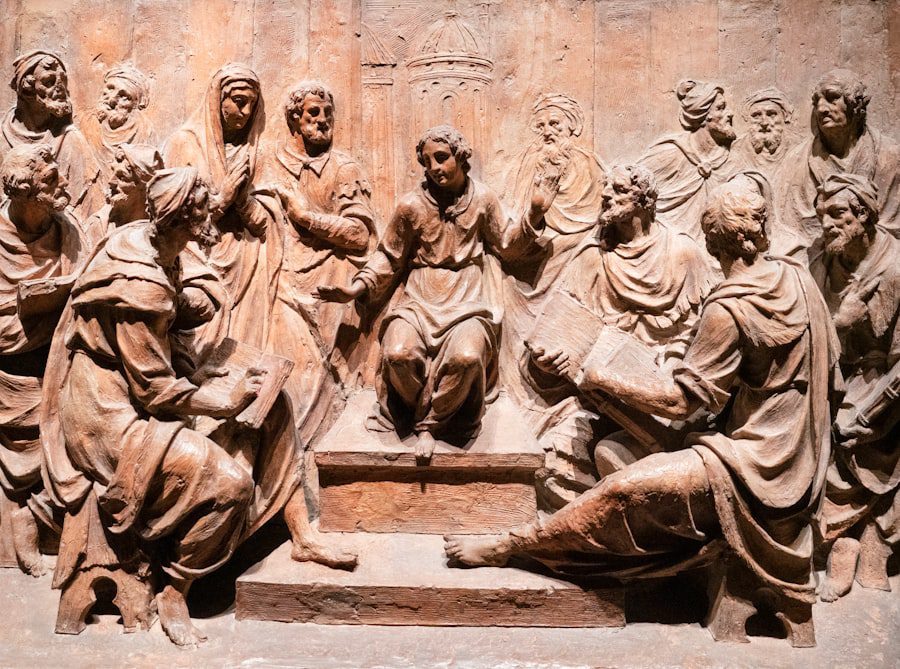
To effectively engage in discipleship, it is essential to adopt strategies that resonate with both the mentor and the mentee. One effective approach is to create intentional relationships built on trust and openness. This means taking the time to get to know individuals personally, understanding their struggles, and celebrating their victories.
By establishing a genuine connection, we create a safe space for others to explore their faith questions and doubts without fear of judgment. Another strategy is to incorporate Scripture into our discipleship efforts. Regularly studying the Bible together not only deepens our understanding of God’s Word but also provides a solid foundation for discussions about faith and life.
Encouraging mentees to ask questions and share their insights fosters an environment of mutual learning. Additionally, utilizing various resources such as books, podcasts, or videos can enhance our discussions and provide fresh perspectives on familiar topics. Ultimately, effective discipleship requires patience, commitment, and a willingness to adapt our methods to meet the unique needs of those we are guiding.
Overcoming challenges in making disciples
While the call to make disciples is clear, it is not without its challenges. One significant hurdle many face is the fear of inadequacy. We may feel unqualified or ill-equipped to guide others in their faith journeys, leading us to hesitate in taking on the role of a disciple-maker.
However, it is essential to remember that God does not call the equipped; He equips the called. By relying on His strength and guidance, we can overcome our insecurities and step into the role He has designed for us. Another challenge is the cultural landscape in which we find ourselves.
In an increasingly secular society, sharing our faith can feel daunting or even unwelcome. Yet, it is precisely in these moments that our commitment to discipleship becomes even more critical. We must be willing to engage with those around us authentically and compassionately, demonstrating Christ’s love through our actions and words.
By building genuine relationships and being open about our faith journeys, we can break down barriers and create opportunities for meaningful conversations about Jesus.
The importance of modeling faith for others
| Metric | Description | Value | Unit |
|---|---|---|---|
| Number of Disciples Trained | Total individuals who completed the Faith That Multiplies training program | 1,250 | People |
| Average Growth Rate | Annual percentage increase in disciple-making groups | 18 | % per year |
| Kingdom Impact Events | Number of outreach or community events organized | 45 | Events |
| New Groups Formed | Number of new disciple-making groups started in the last year | 30 | Groups |
| Mentorship Sessions | One-on-one or small group mentoring sessions conducted | 320 | Sessions |
| Retention Rate | Percentage of disciples who continue active participation after 1 year | 85 | % |
Modeling faith is one of the most powerful ways we can influence those around us. Our actions often speak louder than our words; therefore, living out our beliefs authentically can inspire others to seek a deeper relationship with Christ. When we demonstrate love, grace, and forgiveness in our daily lives, we reflect the character of Jesus and invite others to experience His transformative power.
Moreover, modeling faith involves being transparent about our struggles and victories. Sharing our testimonies—how God has worked in our lives—can encourage others who may be facing similar challenges. It reminds them that they are not alone in their journey and that God is faithful even in difficult times.
By being vulnerable and honest about our own experiences, we create an atmosphere where others feel safe to explore their faith without fear of judgment or failure.
Multiplying disciples through community and relationships
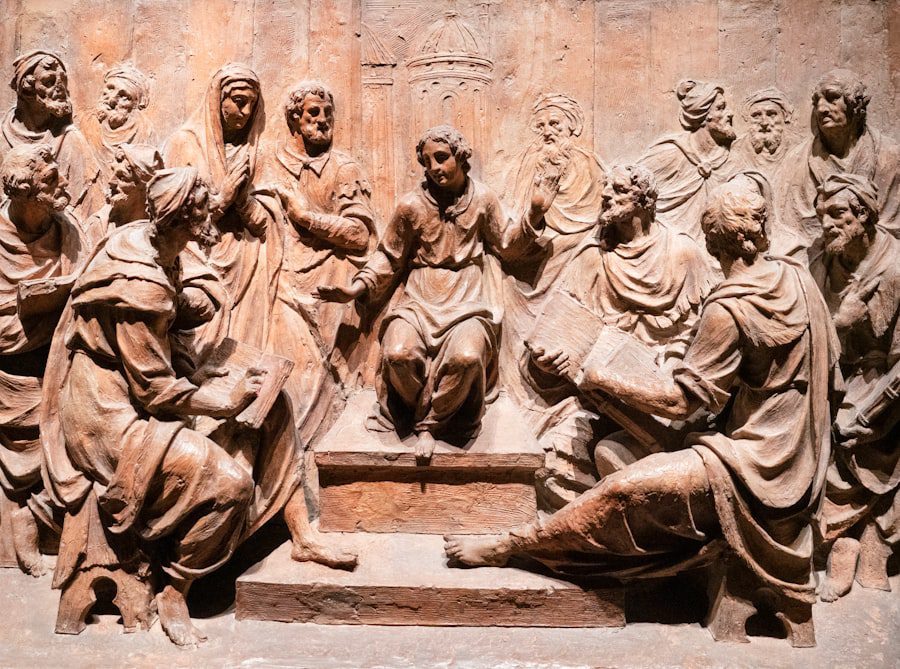
Community plays a vital role in multiplying disciples. When believers come together in fellowship, they create an environment where faith can flourish. Small groups, Bible studies, and church gatherings provide opportunities for individuals to connect with one another, share their experiences, and grow together in their understanding of God’s Word.
These relationships foster accountability and encouragement, which are essential for spiritual growth. Additionally, community allows for diverse perspectives on faith. Engaging with individuals from different backgrounds and experiences enriches our understanding of God’s character and His work in the world.
As we learn from one another, we become better equipped to share our faith with others outside our immediate circles. The more we invest in building relationships within our communities, the more likely we are to see a multiplication of disciples as individuals feel empowered to reach out to their friends and family.
Empowering others to become disciple-makers
Empowering others to become disciple-makers is a crucial aspect of fulfilling the Great Commission. As we invest in individuals’ spiritual growth, it is essential to encourage them to take ownership of their faith journeys and share what they have learned with others. This empowerment can take many forms—providing resources, offering mentorship, or simply encouraging them to step out in faith.
One effective way to empower others is by involving them in ministry opportunities within the church or community. Allowing individuals to serve alongside us not only builds their confidence but also gives them practical experience in sharing their faith. As they witness firsthand how God works through them, they become more likely to embrace their roles as disciple-makers themselves.
By fostering an environment where everyone feels valued and capable of contributing to God’s Kingdom work, we create a culture of multiplication that extends far beyond our individual efforts.
Celebrating the impact of faith multiplication on the Kingdom
As we engage in the process of faith multiplication through discipleship, it is essential to take time to celebrate the impact this has on God’s Kingdom. Each new believer represents a life transformed by Christ—a testament to His grace and love. Celebrating these milestones not only encourages those who have made commitments but also inspires others within our communities to consider their own faith journeys.
Moreover, recognizing the collective impact of our efforts reinforces the importance of discipleship within the Church. When we share stories of lives changed through faith multiplication—whether through baptisms, testimonies, or acts of service—we remind ourselves that we are part of something much larger than ourselves. We are participating in God’s redemptive plan for humanity, contributing to a legacy that will continue long after we are gone.
By celebrating these moments together as a community, we strengthen our resolve to continue making disciples and expanding God’s Kingdom for generations to come. In conclusion, embracing the concept of faith multiplication requires intentionality and commitment from each one of us as followers of Christ. Through understanding its significance, engaging in effective discipleship strategies, overcoming challenges, modeling our faith authentically, fostering community relationships, empowering others as disciple-makers, and celebrating our collective impact on God’s Kingdom, we can fulfill Jesus’ call to make disciples of all nations.
Let us rise up together as a church dedicated to multiplying our faith so that many may come to know Him!