The Hidden Power That Raised Jesus (And Can Change You)

The Easter season is a time of reflection, renewal, and the celebration of the resurrection of Jesus Christ. It’s a period that invites us to explore the profound impact of this event on our lives. In this blog post, we will delve into the themes of perspective, peace, and power as they relate to the resurrection, drawing on the experiences of Mary Magdalene, Thomas, and Peter.

Understanding Perspective
Perspective is everything. During the last days of Jesus’ life, His disciples faced immense turmoil. They were grappling with fear, disappointment, and confusion as they watched their leader being arrested and crucified. These events shattered their expectations and dreams. Jesus had told them about His impending death and resurrection, but their focus was primarily on the pain of His potential loss. They couldn’t see the bigger picture—what looked like disaster was actually part of God’s divine plan.

Photo by Small Group Network on Unsplash
As Jesus faced His own troubled spirit, He reassured His followers that they should not let their hearts be troubled. In John 14:27, He states, “Peace I leave with you; my peace I give you.” This peace is not dependent on external circumstances but is a deep, internal assurance that God is in control.
The Importance of Peace
Peace is a crucial aspect of our spiritual lives. It is not merely the absence of conflict but a profound sense of completeness and wholeness. The Hebrew term “shalom” embodies this concept, signifying a state of well-being and harmony. Jesus offers this peace to His disciples during their darkest moments, reminding them that true peace comes from Him, not the world.

Photo by Ivan Lopatin on Unsplash
When we face difficulties, it’s easy to become overwhelmed by our circumstances. However, Jesus encourages us to shift our focus from our troubles to His promises. He wants us to know that even in chaos, we can find His peace. This peace empowers us to navigate life’s challenges with grace and assurance.
The Power of the Resurrection
The resurrection of Jesus is the cornerstone of Christian faith. It signifies victory over death and offers us hope. After His resurrection, Jesus appeared to Mary Magdalene, who represents fear and despair. Mary had lost the one who gave her hope and purpose. Yet, when she encountered the risen Christ, He spoke her name, bringing her reassurance and peace.

Photo by Jon Tyson on Unsplash
Mary’s experience illustrates the transformative power of recognizing Jesus’ voice. He calls us by name and seeks to calm our fears, just as He did for her. This personal encounter with Jesus can change everything, reaffirming our identity and purpose in Him.
Dealing with Doubt
Thomas, often labeled as “Doubting Thomas,” struggled with skepticism after Jesus’ resurrection. His absence during Jesus’ first post-resurrection appearance left him in a state of disbelief. He needed tangible proof of Jesus’ resurrection, stating, “Unless I see the nail marks in His hands… I will not believe.” This illustrates a very human response to profound grief and disappointment.
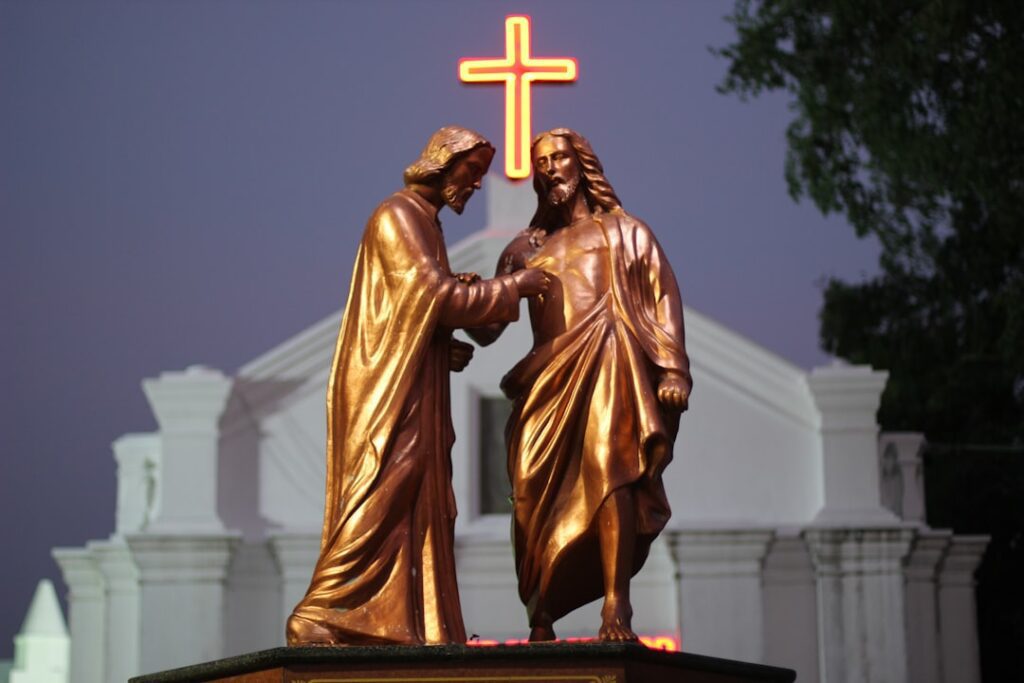
Photo by Paul Yonggicho on Unsplash
Eight days later, Jesus appeared again, inviting Thomas to touch His wounds. This moment is significant because it shows that Jesus meets us in our doubts and fears. He doesn’t scold Thomas for his skepticism but gently invites him to believe. Thomas’ declaration, “My Lord and my God,” signifies a turning point from doubt to faith, showcasing the power of Jesus to transform our uncertainty into belief.
Peter’s Restoration
Peter’s story is one of failure and redemption. After denying Jesus three times, Peter felt lost and ashamed. He decided to return to his old life as a fisherman, perhaps believing he had forfeited his calling. However, Jesus sought Peter out on the shores of Galilee, where it all began.

Photo by Sean Oulashin on Unsplash
In this encounter, Jesus reinstates Peter, asking him three times if he loves Him. This repetition mirrors Peter’s three denials, providing an opportunity for healing and restoration. Jesus’ command to “feed my sheep” reaffirms Peter’s role in building the church. Through this interaction, we see that no failure is beyond the reach of God’s grace.
The Role of the Holy Spirit
Jesus promised that after His ascension, He would send the Holy Spirit to empower His followers. This Spirit is vital for us to live out our faith effectively. The Holy Spirit provides guidance, comfort, and strength, allowing us to fulfill God’s purposes in our lives.

Photo by Ashley Batz on Unsplash
When we receive the Holy Spirit, we gain access to divine power that enables us to face life’s challenges with confidence. We can overcome fear, doubt, and failure by relying on the Spirit’s strength rather than our own. This power transforms our perspective, allowing us to see beyond our circumstances to the greater work God is doing in and through us.
Conclusion: Embracing the Resurrection Power
The resurrection of Jesus is not just a historical event; it is a present reality that can change our lives. As we reflect on the experiences of Mary Magdalene, Thomas, and Peter, we are reminded of the importance of perspective, peace, and power in our spiritual journeys. Jesus calls us to embrace His peace, to confront our doubts, and to accept the power of the Holy Spirit to live out our calling.

Photo by Jonny Gios on Unsplash
This Easter season, let us open our hearts to the transformative power of the resurrection. May we find peace in our troubles, strength in our doubts, and renewed purpose in our failures. Just as Jesus reached out to His disciples, He reaches out to us today, inviting us to experience the fullness of life He offers.
As we move forward, let us remember that we are not alone. Jesus is with us, guiding us, and empowering us to fulfill His purposes. This is the hidden power that raised Jesus and can change you.