
Hope in the Foolishness of God
As we gather together, it’s essential to reflect on the foundations that have shaped our community and our beliefs. One of the core pillars of Life Springs Christian Church is our unwavering commitment to the pro-life movement. This commitment has deep roots, tracing back to our founding under Buddy Hicks, who not only pastored this church but also advocated for life through various platforms, including straight talk radio. His legacy in pro-life ministry paved the way for many, including Bishop Braun, who has continued this vital mission.

Photo by Mathew MacQuarrie on Unsplash
Bishop Braun’s leadership in the pro-life movement has been instrumental. He was the director for Texans for Life and played a pivotal role in uniting churches across Texas for the pro-life rally at the Capitol in Austin. In 1982, an impressive 10,000 people from diverse congregations came together, marking the largest march to date. This event is a testament to the church’s deep-seated belief in the sanctity of life, which remains a vital aspect of our identity.

Photo by CHUTTERSNAP on Unsplash
As we contemplate the significance of our message today, I invite you to join me in prayer. Father in heaven, we are grateful for the gift of life that you provide. We acknowledge that you are the light of the world, and we come together to seek your guidance and strength. May we carry your light and life to the nations, sharing your salvation with all. In Jesus’ name, Amen.
Seeing Through Jesus’ Colored Glasses
The title of today’s message is “Hope in the Foolishness of God.” To understand this concept, we need to discuss the importance of perspective. Have you ever heard the term “rose-colored glasses”? It refers to viewing the world through an overly optimistic lens. However, what we truly need are “Jesus-colored glasses” to see the world as He does.

Photo by Carlos Quintero on Unsplash
Jesus taught us that the eye is the lamp of the body. If your eye is sound, your whole body will be full of light. Conversely, if your eye is filled with darkness, that darkness will be profound. This principle is crucial: what we focus on shapes who we become. It raises important questions about our values and vision. How do we perceive our lives, our families, and even those who challenge us?

Photo by Ricardo Gomez Angel on Unsplash
What we look at, we become like. This principle is vital as we navigate our lives and the world around us. Our experiences, our children’s futures, and the state of our communities depend on what we focus on. Earth is a battleground; the victory has been won through Christ’s sacrifice, but our daily lives reflect either heaven or hell based on our focus.
The Power of Idolatry and Its Consequences
The world has been groaning, waiting for something better. Under idolatry, humanity has suffered tremendously, longing for meaning and significance. This longing is echoed in classical literature, where characters often grapple with the futility of their existence. For instance, in Homer’s “The Odyssey,” the portrayal of the gods reveals a world filled with chaos and despair, prompting a desire for something greater.

Photo by Kelly Sikkema on Unsplash
In contrast, stories that depict favor from deities, like Athena in “The Odyssey,” highlight the human desire for significance and prosperity. This narrative illustrates the hunger for identity that many experience. The values we derive from what we focus on—justice, relationships, and morality—come from the things we idolize.

Photo by Towfiqu barbhuiya on Unsplash
In the past, I observed how youth culture shaped identities based on musical preferences. Groups formed around genres like country, punk, or hip-hop, demonstrating how our choices reflect our values and identities. This dynamic illustrates the influence of cultural narratives on our lives, reinforcing the idea that what we focus on determines who we become.
Defining Our Vision and Heroes
It’s crucial to define our vision for life. When asked about their heroes, many young people struggle to name figures who inspire them. This lack of vision can lead to conformity with worldly values. We must actively seek out heroes and define what we aspire to become. Without a clear vision, we risk being shaped by the world around us.

Photo by Clark Tibbs on Unsplash
As we enter this new year, Bishop Braun emphasized the importance of discontentment and hunger for righteousness. These principles drive the Kingdom of God and challenge us to seek more than the superficial promises of the world. The Kingdom of God offers a fulfillment that the world cannot provide. True satisfaction comes only through Christ.
Addressing Cultural Challenges
The ongoing battle for life, particularly in the context of Roe v. Wade, continues to be a pressing issue. It should stir a holy dissatisfaction within us, prompting us to cry out for justice and an end to the senseless loss of life. We must be grateful for the freedoms we enjoy in America to advocate for pro-life values, a privilege largely due to the steadfastness of the Catholic community.

Photo by Ian Schneider on Unsplash
Yet, as we champion life, we must also address other critical issues such as marriage, family, and sexuality. Our culture often misrepresents the church, painting believers as harsh and intolerant. However, our mission is to embody Christ’s love, addressing these topics with compassion and grace. It’s not about condemnation but rather about understanding and dignity for every individual created in God’s image.

Photo by freestocks on Unsplash
We need to acknowledge that sexuality is just one facet of human identity. Our conversations about identity and relationships must be rooted in love and respect. God’s laws reflect His nature and wisdom, guiding us toward a life that mirrors heaven rather than hell. Strong families form the foundation of a thriving church and community, and we must advocate for the sanctity of marriage.
The Transformative Power of the Cross
In 1 Corinthians 2:1-5, Paul speaks of his determination not to rely on eloquent speech but to demonstrate the power of God through weakness. He emphasizes that true faith is not rooted in human wisdom but in the power of God. This principle is transformative; it reminds us that our strength lies not in our abilities but in our reliance on Christ.

Photo by Kelly Sikkema on Unsplash
The message of the cross may seem foolish to the world, but it holds the power to change lives. The rulers of this age failed to recognize the wisdom of God, leading to the crucifixion of Jesus. Yet, through this act of apparent weakness, God triumphantly transformed the world. The resurrection signifies that the light has overcome the darkness, and we are invited to partake in this victory.
Living in Light of His Kingdom
As followers of Christ, we are called to see the world through His perspective. This means embracing the challenges and injustices around us with hope and determination. We must be diligent in our pursuit of righteousness, recognizing that our actions reflect our values. The world needs to see a vision of the Kingdom that encompasses love, dignity, and respect for every individual.
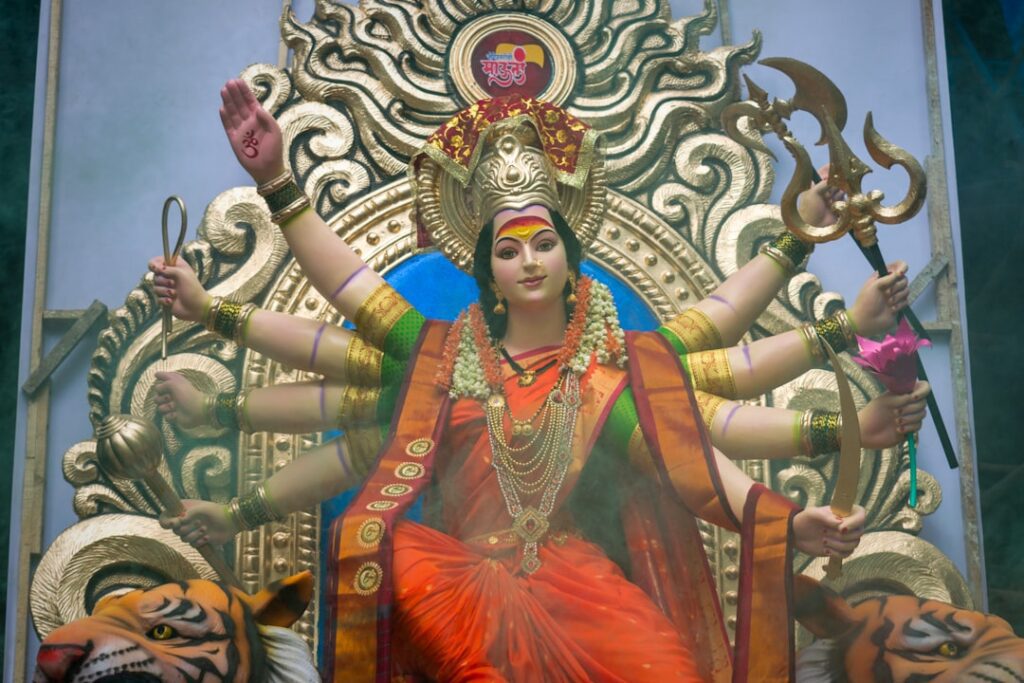
Photo by Sonika Agarwal on Unsplash
Ultimately, our relationship with God is vital. Knowing His word is essential, but it must be paired with a personal connection through prayer and fellowship. This relationship empowers us to live out the truths we hold dear. We must strive to connect with the Lord continually, allowing His presence to guide our actions and perspectives.
Conclusion: A Call to Action
In conclusion, we are challenged to embody a vision of hope in the foolishness of God. We are called to live out our faith boldly, advocating for life, love, and righteousness in every aspect of our lives. Let us seek revival, starting with ourselves, and embrace the transformative power of Christ. Together, we can make a difference, painting a picture of His Kingdom in a world that desperately needs hope.
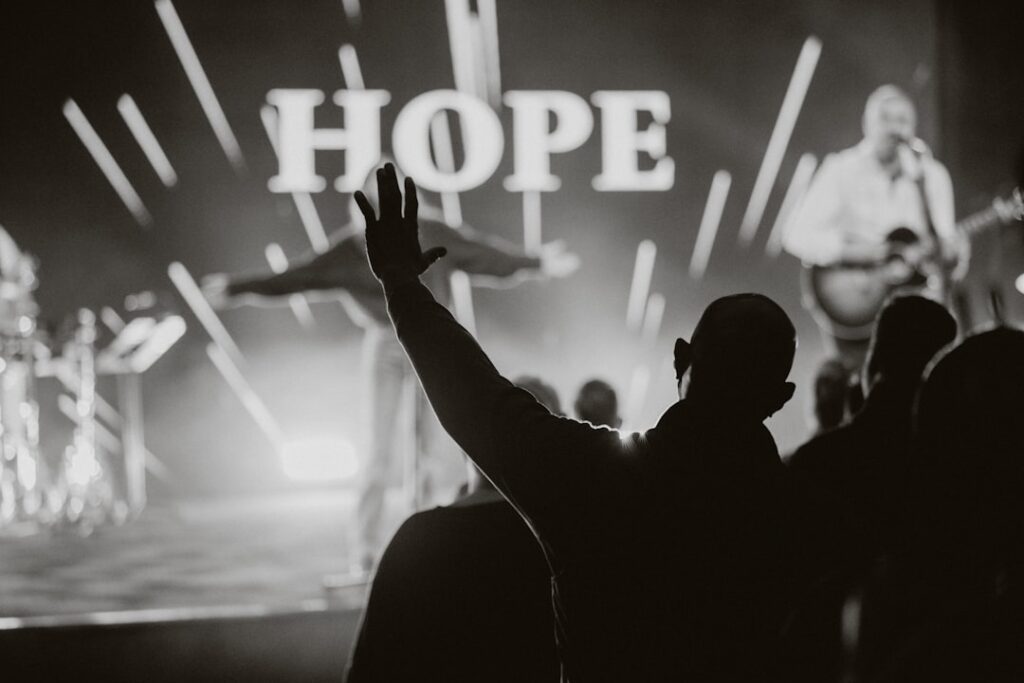
Photo by Hanna Morris on Unsplash