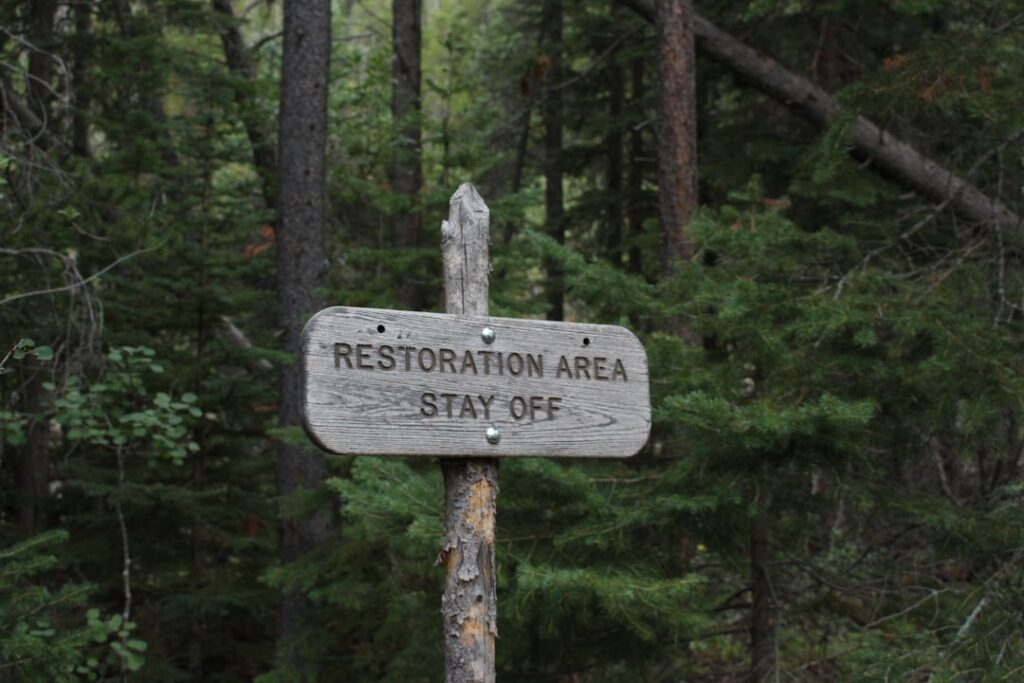
In the journey of life, individuals often encounter various forms of brokenness that can manifest in emotional, spiritual, or relational dimensions. This brokenness can stem from a multitude of sources, including personal trauma, loss, or the impact of societal issues such as poverty and injustice. For instance, a person who has experienced the death of a loved one may find themselves grappling with profound grief, which can lead to feelings of isolation and despair.
Similarly, those who have faced betrayal in relationships may struggle with trust issues, making it difficult to form new connections. Recognizing the depth and complexity of this brokenness is crucial for understanding the human experience and the need for healing. Moreover, brokenness is not merely an individual phenomenon; it often permeates communities and societies at large.
Social injustices, economic disparities, and systemic oppression contribute to a collective sense of disarray. For example, communities plagued by violence or discrimination may experience a breakdown in social cohesion, leading to mistrust among residents and a lack of support systems. This broader context of brokenness highlights the interconnectedness of individual and communal struggles, emphasizing that healing must address both personal wounds and societal fractures.
Understanding this multifaceted nature of brokenness lays the groundwork for exploring pathways to restoration.
Key Takeaways
- Understanding the Brokenness: Acknowledge and understand the root causes of the brokenness in order to effectively address it.
- The Call to Restoration: Embrace the responsibility and opportunity to restore what has been broken and bring about positive change.
- Tools for Rebuilding: Utilize resources, skills, and knowledge to rebuild and restore what has been broken.
- Overcoming Obstacles: Identify and address challenges that may arise during the restoration process in order to move forward effectively.
- Seeking God’s Guidance: Seek spiritual guidance and wisdom to navigate the restoration process with faith and purpose.
- Community Involvement: Engage and involve the community in the restoration efforts to foster a sense of unity and collective responsibility.
- Celebrating Progress: Acknowledge and celebrate the milestones and progress made in the restoration journey to inspire continued effort and motivation.
- Maintaining and Sustaining the Restoration: Develop strategies and plans to maintain and sustain the restoration efforts for long-term impact and success.
The Call to Restoration
Understanding the Call to Restoration
In various religious traditions, there are narratives that emphasize the importance of restoration—whether through prayer, meditation, or acts of service. These practices serve as catalysts for personal growth and communal healing, encouraging individuals to step into their roles as agents of change.
The Journey of Restoration
Restoration also requires a commitment to vulnerability and authenticity. It involves confronting painful truths about oneself and one’s circumstances while being open to the possibility of renewal. This journey can be daunting; however, it is often accompanied by moments of profound insight and clarity. For instance, someone who has struggled with addiction may find that acknowledging their struggles in a supportive environment fosters a sense of accountability and hope.
Embracing the Outcome of Restoration
The call to restoration is not merely about returning to a previous state but rather about evolving into a more resilient and integrated version of oneself. This understanding is crucial as it shifts the focus from mere recovery to a transformative process of growth and self-improvement. By embracing this journey, individuals can find a deeper sense of purpose and meaning, leading to a more fulfilling life.
Conclusion on Restoration
Ultimately, the call to restoration is a powerful invitation to transform and heal, offering a path towards wholeness and a more authentic life. As individuals embark on this journey, they can discover new strengths, forge deeper connections with others, and cultivate a sense of hope and renewal that can have a lasting impact on their lives.
Tools for Rebuilding

Rebuilding after experiencing brokenness necessitates a diverse set of tools and strategies tailored to individual needs and circumstances. One essential tool is self-reflection, which allows individuals to examine their thoughts, feelings, and behaviors critically. Journaling can be particularly effective in this regard, as it provides a safe space for expressing emotions and processing experiences.
Through writing, individuals can identify patterns in their lives that contribute to their sense of brokenness and begin to envision healthier alternatives. In addition to self-reflection, seeking professional support can be invaluable in the rebuilding process. Therapists, counselors, and coaches offer guidance and expertise that can help individuals navigate their challenges more effectively.
For example, cognitive-behavioral therapy (CBT) equips individuals with practical skills to reframe negative thought patterns and develop healthier coping mechanisms. Furthermore, support groups provide a sense of community and shared experience, allowing individuals to connect with others who have faced similar struggles. These tools collectively empower individuals to take proactive steps toward healing and restoration.
Overcoming Obstacles
The path to restoration is often fraught with obstacles that can hinder progress and discourage individuals from pursuing their goals. One common challenge is the fear of failure or the belief that one is unworthy of healing. This internal dialogue can create significant barriers, leading individuals to retreat into familiar patterns of behavior rather than embracing change.
Overcoming this fear requires cultivating self-compassion and recognizing that setbacks are a natural part of the healing journey. By reframing failure as an opportunity for growth rather than a definitive endpoint, individuals can foster resilience and perseverance. External obstacles also play a significant role in the restoration process.
Economic hardships, lack of access to resources, or unsupportive environments can impede progress and exacerbate feelings of hopelessness. For instance, someone seeking to rebuild their life after incarceration may face stigma and limited job opportunities, making it challenging to reintegrate into society successfully. Addressing these systemic barriers often requires advocacy and community support.
By working together to dismantle obstacles, individuals can create an environment conducive to healing and growth.
Seeking God’s Guidance
For many individuals navigating brokenness, seeking divine guidance serves as a source of strength and comfort throughout the restoration process. This spiritual dimension can manifest in various forms—through prayer, meditation, or engagement with sacred texts. Many find solace in the belief that they are not alone in their struggles; rather, they are part of a larger narrative that encompasses hope and redemption.
This connection to something greater than oneself can provide clarity during moments of uncertainty and inspire individuals to persevere despite challenges. Moreover, seeking God’s guidance often involves cultivating a sense of discernment—an ability to recognize signs or messages that may indicate the right path forward. This discernment can be honed through practices such as mindfulness or contemplative prayer, which encourage individuals to quiet their minds and listen for inner wisdom.
Engaging with a faith community can also enhance this process by providing support and encouragement from others who share similar beliefs. Ultimately, seeking divine guidance fosters a sense of purpose and direction that can be instrumental in navigating the complexities of restoration.
Community Involvement

Community involvement plays a pivotal role in the restoration process by fostering connections that promote healing and support. Engaging with others who share similar experiences creates a sense of belonging that can counteract feelings of isolation often associated with brokenness. Whether through volunteering at local organizations or participating in community events, individuals can find purpose in contributing to the well-being of others while simultaneously nurturing their own growth.
Additionally, community involvement provides opportunities for collective healing. When individuals come together to address shared challenges—such as poverty or mental health issues—they create a powerful force for change. Initiatives like community gardens or neighborhood clean-up projects not only beautify spaces but also cultivate relationships among residents.
These interactions foster empathy and understanding, breaking down barriers that contribute to societal fragmentation. By investing in community well-being, individuals not only aid their own restoration but also contribute to the healing of those around them.
Celebrating Progress
Recognizing and celebrating progress is an essential aspect of the restoration journey that often goes overlooked. In the pursuit of healing, individuals may become so focused on their goals that they fail to acknowledge the small victories along the way. Celebrating these milestones—whether big or small—serves as a reminder of how far one has come and reinforces motivation to continue moving forward.
For instance, someone who has made strides in overcoming anxiety might take time to acknowledge their achievements in facing fears or engaging in social situations. Celebration can take many forms; it might involve sharing accomplishments with friends or family or engaging in personal rituals that honor one’s journey. Creating visual reminders—such as vision boards or journals—can also serve as tangible representations of progress made over time.
By intentionally celebrating achievements, individuals cultivate a positive mindset that encourages further growth while reinforcing their commitment to the restoration process.
Maintaining and Sustaining the Restoration
The final stage in the journey toward restoration involves maintaining and sustaining the progress achieved over time. This requires ongoing commitment and vigilance as individuals navigate life’s inevitable ups and downs. Establishing healthy routines—such as regular exercise, mindfulness practices, or continued therapy—can help reinforce positive changes while providing stability amidst challenges.
These practices serve as anchors that ground individuals during turbulent times. Furthermore, sustaining restoration often involves revisiting one’s goals and aspirations regularly. As life evolves, so too do individual needs and desires; therefore, it is essential to remain adaptable and open to change.
Engaging with supportive communities can also play a crucial role in this process by providing encouragement and accountability. Ultimately, maintaining restoration is an ongoing journey that requires dedication but offers profound rewards in terms of personal growth and fulfillment.