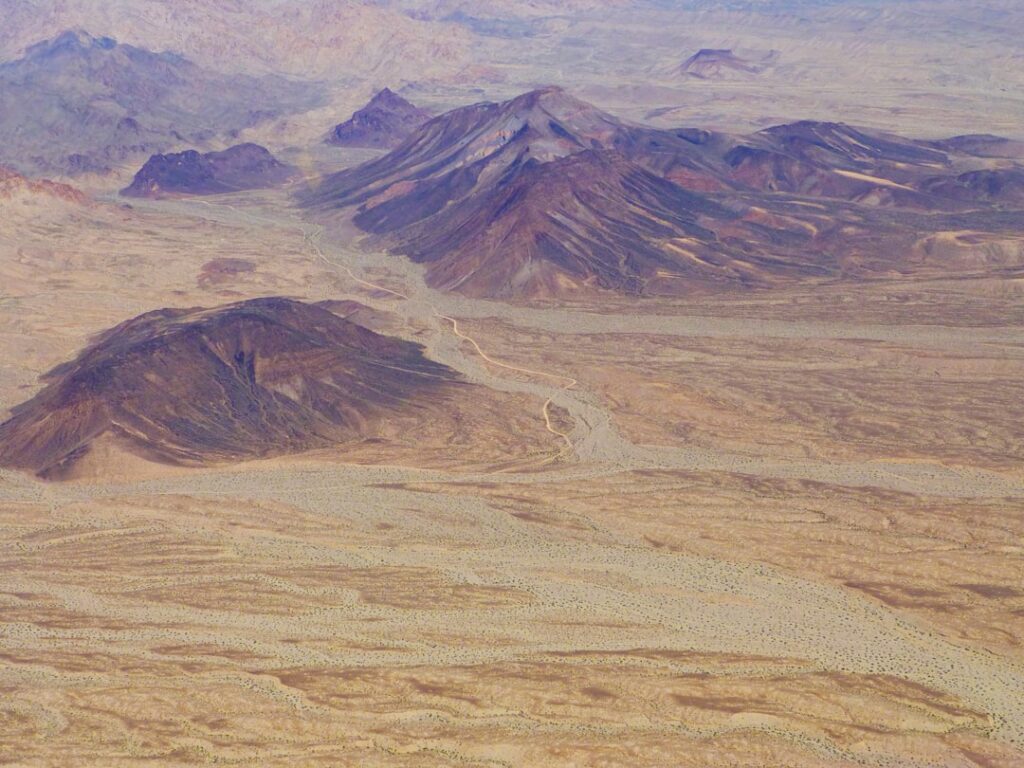
Dry seasons, often characterized by a lack of spiritual vitality or emotional fulfillment, serve a significant purpose in the journey of faith. These periods can feel desolate and lonely, yet they are not without meaning. In many religious traditions, including Christianity, dry seasons are seen as times of testing and refinement.
They challenge believers to dig deeper into their faith, prompting introspection and a reevaluation of priorities. The absence of immediate spiritual rewards can lead to a greater understanding of reliance on God rather than on transient feelings or circumstances. Moreover, dry seasons can act as a catalyst for growth.
Just as nature undergoes cycles of dormancy before bursting forth with new life, individuals may find that their spiritual lives require similar rhythms. During these times, one may be stripped of distractions and forced to confront underlying issues that may have been overlooked during more fruitful periods. This process can lead to a more profound relationship with God, as believers learn to seek Him not just for what He provides but for who He is.
The dry season becomes a crucible for transformation, shaping character and deepening faith in ways that abundance cannot.
Key Takeaways
- Dry seasons serve a purpose in our spiritual growth, teaching us to rely on God’s promises and find strength in desolation.
- Embracing growth opportunities in the desert allows us to let go of control and surrender to God’s plan, leading to renewal and hope.
- Seeking God’s presence in the silence of the desert helps us trust in His provision during times of scarcity and lean on His promises.
- The desert wilderness offers a chance for spiritual growth and renewal, allowing us to find strength and hope in the midst of desolation.
- Trusting in God’s provision during dry seasons leads to discovering hope and renewal, ultimately strengthening our faith.
Learning to Lean on God’s Promises
In the midst of a dry season, it is essential to lean on the promises of God. Scripture is replete with assurances that God is present, even when circumstances suggest otherwise. For instance, in Isaiah 41:10, God reassures His followers not to fear because He is with them; He will strengthen and uphold them.
These promises serve as anchors during turbulent times, reminding believers that they are not alone in their struggles. By meditating on these truths, individuals can cultivate a sense of peace that transcends their immediate feelings of desolation. Additionally, leaning on God’s promises requires an active engagement with faith.
It is not merely about recalling verses but about internalizing them and allowing them to shape one’s perspective. This might involve prayerful reflection on specific promises or journaling about how they have been fulfilled in the past. By recounting personal experiences where God’s faithfulness was evident, believers can bolster their confidence in His unchanging nature.
This practice fosters resilience and encourages individuals to hold fast to hope, even when the landscape of their lives appears barren.
Finding Strength in the Midst of Desolation

Desolation can be an overwhelming experience, often leading to feelings of isolation and despair. However, it is within this very desolation that individuals can discover unexpected reservoirs of strength. The act of confronting one’s vulnerabilities can lead to a deeper understanding of personal limitations and the necessity of divine support.
In moments when one feels utterly depleted, it is often the realization that strength comes not from oneself but from God that provides the most profound comfort. Moreover, finding strength in desolation often involves community support. Engaging with others who have experienced similar dry seasons can foster a sense of solidarity and encouragement.
Sharing stories of struggle and perseverance can illuminate the path forward and remind individuals that they are part of a larger narrative of faith. This communal aspect is vital; it reinforces the idea that while personal journeys may feel solitary, they are interconnected with the experiences of others who have walked similar paths. In this way, desolation can become a shared experience that cultivates empathy and understanding.
Embracing the Growth Opportunities in the Desert
The metaphor of the desert is rich with implications for personal growth and spiritual development. Deserts are often seen as barren landscapes; however, they also represent spaces where new life can emerge under the right conditions. Embracing the growth opportunities presented during dry seasons requires a shift in perspective—seeing these times not merely as periods of lack but as fertile ground for transformation.
Just as desert plants adapt to harsh conditions, individuals can learn resilience and adaptability through their trials. In practical terms, this might involve setting aside time for self-reflection and prayer during dry seasons. Engaging in spiritual disciplines such as fasting or meditation can create space for new insights and revelations.
Additionally, exploring new avenues for service or ministry can provide fresh perspectives and invigorate one’s faith journey. By actively seeking ways to grow during these challenging times, individuals can cultivate a sense of purpose that transcends their immediate circumstances. The desert becomes not just a place of suffering but a transformative landscape where new strengths are forged.
Letting Go of Control and Surrendering to God’s Plan
One of the most challenging aspects of navigating a dry season is the struggle for control. Many individuals find themselves clinging tightly to their plans and expectations, which can lead to frustration when things do not unfold as desired. Surrendering to God’s plan requires a profound act of faith—trusting that His ways are higher than our own and that He has a purpose even in our suffering.
This surrender is not passive; it involves an active choice to release one’s grip on outcomes and embrace uncertainty. The process of letting go often involves confronting fears and anxieties about the future. It may require individuals to confront their desire for security and predictability, recognizing that true peace comes from trusting in God’s sovereignty rather than in human understanding.
This journey can be facilitated through prayer, where individuals express their fears and desires while seeking God’s guidance. As they learn to relinquish control, they may find that God’s plans are far more expansive than they could have imagined, leading them toward opportunities they had not previously considered.
Seeking God’s Presence in the Silence of the Desert

Silence can be one of the most daunting aspects of a dry season. In a world filled with noise and distraction, the absence of immediate answers or divine intervention can feel isolating. However, this silence can also be an invitation to seek God’s presence more intentionally.
In moments of quietude, individuals have the opportunity to listen deeply—to themselves, to their surroundings, and most importantly, to God. This practice requires patience and openness, allowing space for reflection and contemplation. Engaging with silence may involve various spiritual practices such as contemplative prayer or solitude retreats.
These practices encourage individuals to step away from the busyness of life and immerse themselves in stillness, creating an environment conducive to encountering God. In this silence, one may discover profound insights or a renewed sense of purpose that was previously obscured by noise and distraction. The desert becomes a sacred space where individuals can cultivate intimacy with God, learning to recognize His voice amidst the stillness.
Trusting in God’s Provision during Times of Scarcity
Scarcity often breeds anxiety; when resources—be they emotional, spiritual, or material—are limited, it can be challenging to maintain faith in God’s provision. However, trusting in God’s ability to provide during these times is crucial for spiritual growth. Throughout biblical history, there are numerous accounts where God provided for His people in miraculous ways during times of need.
For instance, the Israelites received manna from heaven during their desert wanderings—a tangible reminder that God sustains His people even in barren landscapes. In practical terms, trusting in God’s provision may involve cultivating gratitude for what one does have rather than focusing solely on what is lacking. Keeping a gratitude journal or engaging in acts of service can shift one’s perspective from scarcity to abundance.
By recognizing the small blessings amidst challenging circumstances, individuals can foster a sense of hope and resilience that sustains them through difficult times. This practice reinforces the belief that God is actively involved in their lives and will provide for their needs according to His perfect timing.
Discovering Hope and Renewal in the Desert Wilderness
The desert wilderness is often viewed as a place of hardship; however, it is also a landscape rich with potential for hope and renewal. Many individuals find that after enduring a dry season, they emerge with newfound clarity and strength. This renewal often comes from having navigated through challenges that forced them to confront their beliefs and values deeply.
The lessons learned during these times can lead to a more profound appreciation for life’s blessings once abundance returns. Moreover, discovering hope in the desert involves recognizing that these experiences are not wasted but are integral parts of one’s spiritual journey. The struggles faced during dry seasons can equip individuals with empathy and understanding that enrich their relationships with others who may be experiencing similar challenges.
This shared experience fosters community and connection, transforming personal trials into collective testimonies of resilience and faithfulness. Ultimately, the desert wilderness becomes a place not just of survival but of thriving—a testament to the enduring power of hope amidst adversity.