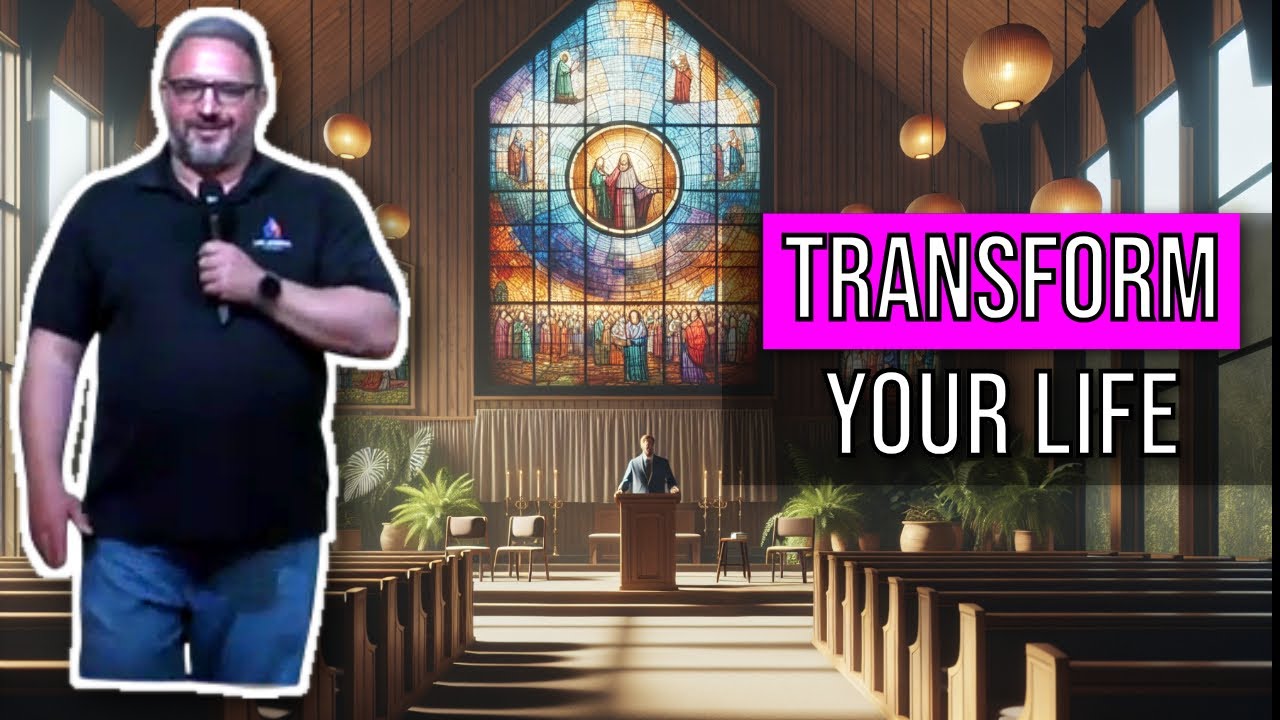
The Mission That Changes Everything: Restoring Human Flourishing Through the Gospel

Pastor Bill Brannan unpacks Matthew 28 and shows how God’s presence, discipleship, and baptism restore human flourishing through compassionate, everyday gospel ministry.

Watch the Video!

YouTube player

I’m Pastor Bill Brannan, senior pastor at Life Springs Christian Church. In this message I unpack the Great Commission and what it practically looks like when a church commits itself to restore human flourishing through the Gospel of Jesus Christ. My goal here is to make our vision plain so we can run with it—rooted in God’s presence, lived out in community, and expressed as everyday discipleship.

The Great Commission: More Than a Slogan

The mission statement any healthy church must steward is faithful to Matthew 28:19–20. This text is not merely an assignment; it is the framework for restoring life and flourishing in our neighborhoods, workplaces, and families.

“Go therefore and make disciples of all nations, baptizing them in the name of the Father and of the Son and of the Holy Spirit, teaching them to observe all things that I have commanded you; and behold, I am with you always, even to the end of the age.”

Notice three essentials here: the presence of God with us, discipleship, and baptism (an encounter with Jesus that passes people from death to life). Each is indispensable. If the Lord is not with us, everything we do is in vain. If we don’t disciple, the good news remains only information. If people aren’t truly encountering Jesus, they won’t experience the transformation God intends.

The Presence of God: The Foundation

The last phrase—“behold, I am with you always”—isn’t just a comforting tag; it’s foundational. The presence of God empowers us for mission. When we experience God’s presence we receive sight, courage, and the grace to love and serve others. I’ve stood in mornings where my heart was heavy, and I simply prayed, “Lord, I need Your presence.” God answered. Light broke through. That presence makes us instruments of blessing.

Moses captured this truth in the wilderness: without God’s presence the people were no different than any other nation. Presence changes everything; it fuels our outreach and sustains us for the work.

The Power of Observation: Discipleship Is Caught, Not Just Taught

Discipleship is learning from the Master—and from one another. We’re all learners. I learned as much by watching people like Charlene and other ministers as I did from formal teaching. Observing someone who loves hard-to-love people or humbly admits mistakes can awaken a hunger in you: “I want to be like that.”

Authentic discipleship happens in community, in the daily practice of watching, imitating, and being provoked toward Christlike character. Christianity is primarily caught, not merely taught.

The Older-Brother Syndrome: A Warning Against Pride

Too often churches create a pecking order—the older brother who keeps score of who is “doing” ministry correctly. That attitude drives the younger brother away. Jesus’ household doesn’t work by titles or self-importance; it grows when we remember we are all imperfect siblings learning to follow the Father together.

Compassion rather than judgment should define our response to those who don’t yet measure up to our expectations. Often pride or a longing for significance drives the harshness. When we lead with grace, we keep the living water flowing in people’s lives so their light won’t be hidden under a bushel.

The Power of Love: Motivation Above Method

Everything contrary to God’s design robs people of flourishing. That’s the motivation for mission—not condemnation, but compassion. Love looks like treating people with dignity, welcoming authenticity, and creating spaces where people don’t have to wear masks.

If our outreach is simply a checklist of sins to correct, people will close off. But when we live out God’s love—practically caring for people, listening, and praying—we attract those hungry for life and healing.

The Church and God’s Word: Wisdom for All People

“Teaching them to observe all things that I have commanded you” reveals that God’s Word is more than a spiritual manual for believers—it is practical wisdom for human flourishing in society, workplaces, families, and civic life.

When we model biblical wisdom at work—leading with dignity instead of treating people like tasks—we show an alternative way of life. Those outside the church notice. They ask, “What makes you different?” and the answer is often a life shaped by Scripture.

The Gospel Sets Captives Free

The law shows us truth; the Gospel gives us power. People often agree with the wisdom of Scripture—unforgiveness hurts, pride destroys relationships, love heals—but find themselves unable to live it out. The Gospel brings transformation: power from on high to forgive, reconcile, and live in freedom.

I’ve witnessed men bound by rage and verbal abuse who found deliverance when they encountered Jesus—when the Gospel became real to them. That’s the hope we bring: not only instruction but the life-giving power of Christ.

Words Create Worlds: Teaching Wisdom Publicly

Scripture’s wisdom can be taught to the wider culture in ways that create flourishing. Frank Buckman’s post–World War II work is an example: he taught forgiveness and responsibility in societies that could have remained driven by resentment. People responded to practical wisdom and were transformed—even before they became Christians.

When God’s word is lived out in families, workplaces, and public life it forms structures that bring rejoicing and flourishing. Conversely, systems that ignore wisdom produce suffering. We are called to bring biblical wisdom into every sphere.

Learning from One Another: Community Produces Maturity

Real discipleship happens in fellowship. We each have pieces of revelation of Christ, and by sharing them we become complete in Him. Look for the Christlike traits in others, imitate what you see, and be willing to hand off what God has given you to help someone else grow.

  • Be present with others—practice prayer and ask for God’s presence daily.
  • Watch and imitate Christlike behavior in your community.
  • Lead with compassion, not condemnation; prioritize dignity.
  • Share Scripture’s practical wisdom in everyday conversations (work, family, neighborhood).
  • Trust the Gospel to produce inside-out change, not merely behavior modification.

Conclusion: A Mission That Restores

Fulfilling the Great Commission restores human flourishing at ever-increasing levels. When God is with us, when we disciple one another in community, and when we teach and live out the wisdom of Scripture, we become a living picture of heaven on earth. That picture invites others: “Come follow Jesus—He is good; He brings life.”

Our church vision—becoming a community that restores the world by reproducing the life of Christ with imperfect people—depends on a renewed commitment to God’s presence, authentic discipleship, and practical, Gospel-rooted wisdom in every sphere of life. Let’s run with that vision together.

Next Steps

  1. Ask God for His presence each morning and practice stepping into His presence throughout your day.
  2. Join a small group or fellowship where you can watch, learn, and be learned from.
  3. Practice one biblical habit this week (forgiveness, hospitality, listening) and notice how it affects your relationships.
  4. Look for one place—work, home, community—where you can apply Scripture’s wisdom to create flourishing.

Amen.

 

Facebook
LinkedIn
X
Email

Related Sermons

Church speaker at a podium discussing Easter hope and God’s faithfulness when hopes collapse

Why the Resurrection of Jesus Changes Everything

Every year, when Resurrection Sunday comes around, there is a sense that words are not enough. We instinctively know that what we celebrate is too weighty and beautiful to fully capture. The resurrection of Jesus is not merely a cherished doctrine; it is the turning point of history, the defeat of death, and the beginning of a new way of living. This message carries the weight of hope and victory, demanding our attention and inviting us to explore how it transforms our lives and the world around us. Discover how the resurrection shapes our faith and daily existence.

Read More »
Church speaker gesturing while teaching at lectern in church sanctuary

Why “Go and Make Disciples” Is Actually Mistranslated

What if the Great Commission isn’t a heavy burden of pressure and guilt, but an invitation to live fully in Christ? Instead of merely “going” to make disciples, imagine a life where disciple-making flows naturally from your everyday activities. This shift transforms the command into a joyful expression of faith, where you bear witness to Jesus simply by being who you are. Discover how understanding the heart of this message can liberate you from striving and lead you into a vibrant, grace-filled life that reflects the beauty of God’s kingdom in every sphere of your existence.

Read More »
Speaker raising one arm and holding a microphone during a rainy sermon at a church stage.

The New Creation Begins: The Power of the Resurrection

The resurrection of Jesus is not just a past miracle; it is the powerful beginning of a new creation that is unfolding in our world today. This transformative event declares that death, darkness, and sin do not have the final word. As we embrace the reality of Christ’s resurrection, we are invited to participate in God’s renewal of the world, moving beyond a limited gospel of escape to a vibrant faith that seeks to bring healing and hope. Discover how the resurrection empowers us to grow into mature sons and daughters of God, ready to impact our communities and creation itself.

Read More »
Pastor preaching near a church pulpit with stained glass backdrop

Overcoming Fear: Why Looking to Jesus Changes Everything

In moments when fear and anxiety seem overwhelming, the question we must ask ourselves is not just, “What do I do next?” but rather, “What am I looking at?” Hebrews 12 invites us to look unto Jesus, the author and finisher of our faith. Through the stories of imperfect people like Hezekiah and Paul, we discover that nothing is impossible with God. This journey of faith is not about controlling outcomes but about coming to Him with our burdens. Join us as we explore how looking to Jesus transforms our perspective and empowers us to overcome fear and endure life’s challenges.

Read More »
Pastor speaking from the pulpit on church steps during a sermon

Reaching the Unreached in Nigeria and Breaking Free From the Limitations We Accept

In a world filled with limitations, both external and internal, the call to break free resonates deeply. Imagine living like a powerful elephant, yet tethered by the ropes of past failures and fears. This message challenges us to confront the boundaries we’ve accepted and to embrace the freedom that Christ offers. As we reflect on the mission in Nigeria, we are reminded that the church is called to shine brightly, even in the darkest times. Are you ready to decide to break free and step into your God-given potential? Discover how you can shake off the yoke and rise.

Read More »
Preacher delivering a sermon at a church podium with microphone and open notes

Matthew 7:21-24 Explained: Does God Truly Know You?

How do you answer the question when God asks, “Where are you?” This isn’t about your physical location or church attendance; it’s a deeper inquiry into your relationship with Him. It’s possible to be active in ministry and still feel spiritually dry. Jesus warns us in Matthew 7:21-24 that not everyone who claims to know Him truly does. This message invites you to reflect on your intimacy with God, to assess where you stand in your faith, and to rekindle that genuine connection. Are you ready to take a spiritual inventory and discover where you truly are?

Read More »
Speaker behind a podium holding a microphone during a church sermon

How to Forgive When Your Flesh Demands Justice

When I think of the Garden of Eden, I picture light—a world filled with the presence of God, where heaven and earth were one. But then sin entered the story, plunging humanity into darkness. This movement from light to darkness reveals our deep longing for justice and reconciliation. The haunting cry of Abel’s blood for justice echoes through time, yet the blood of Jesus speaks a better word—mercy. Discover how the gospel breaks the cycle of vengeance and invites us into a new creation, where forgiveness becomes the pathway to healing and true community.

Read More »
Pastor speaking with open hand gestures at a church podium

Why You Feel Alone in a Crowded Church

One of the great tragedies of modern Christianity is that many people can sit in a room full of believers and still feel profoundly alone. They may attend every week, listen to solid teaching, and genuinely love Jesus, yet something still feels missing. The issue is not that church does not matter, but rather that we have often built church on a worldly model instead of the kingdom model Jesus intended. When the church aligns with God’s design, it becomes a place of healing, transformation, belonging, and encounter with the living Christ. Discover how to cultivate this authentic community.

Read More »
clear framed speaker at lectern with communion elements and guitar behind

Organic vs. Institutional: Why Relational Church Changes Everything

The church is meant to be a household, a family that models heaven on earth. When it becomes a lifeless institution driven by hierarchy and performance, it loses the essence of authentic relationship with God and one another. Imagine a community that grows organically from encounters with Jesus, where love, vulnerability, and reconciliation flourish. In a time of division, the church must reflect the beauty of every tongue, tribe, and nation. Discover how embracing relational church life can transform not just our gatherings, but our very witness to the world. Let the walls fall and experience the love that changes everything.

Read More »
Speaker gesturing toward congregation with communion table and steps behind

Authentic Relational Church — The Jerusalem Model

Christianity can appear successful by worldly standards—big buildings and large attendance—yet still miss the transforming power Jesus intended. When the church is organized by systems instead of organic, family-shaped relationships, it often fails to reflect heaven on earth. The heart of the problem is structural. A mechanistic church produces mechanical results, while a church rooted in belonging and the gospel brings life, healing, and renewal. The dream is simple: every person experiences love, welcome, and a personal encounter with Jesus. Discover how the early church’s model can inspire a thriving, relational community today.

Read More »