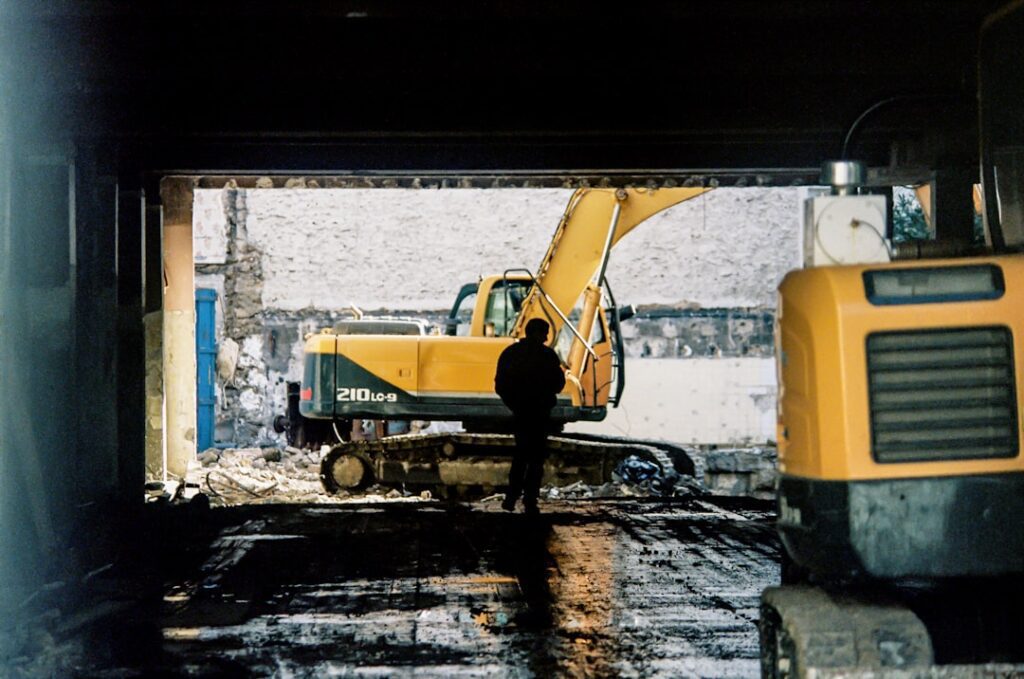
In the spiritual journey, individuals may encounter moments that necessitate reconstruction—both personally and within their communities. This concept of rebuilding has historical precedent in religious texts, particularly in the biblical account of Nehemiah, who undertook the restoration of Jerusalem’s damaged walls. This narrative serves as a metaphor for contemporary spiritual restoration, suggesting that addressing brokenness in personal and communal contexts can be viewed as participation in restorative work.
The process of rebuilding typically presents significant challenges and uncertainties. Nevertheless, it also offers opportunities for personal development and positive change. Engaging in restoration requires resilience, dedication, and conviction.
This process often involves self-examination to identify areas requiring healing. Religious perspectives suggest that such undertakings are supported by divine guidance, providing necessary resources for the reconstruction process. The concept of rebuilding can be understood as an aspect of spiritual practice—an application of principles that manifest compassion and benevolence through tangible actions.
Key Takeaways
- Recognize the importance of responding to the call to rebuild and restore what is broken.
- Identify and assess the extent of damage to understand the scope of restoration needed.
- Trust in God’s promise of restoration as a foundation for hope and renewal.
- Rely on faith to guide and strengthen efforts throughout the rebuilding process.
- Overcome challenges through unity and perseverance to achieve lasting restoration success.
Assessing the Damage: Recognizing the Ruins
Before we can effectively rebuild, we must first take a hard look at the damage that has been done. This process of assessment can be uncomfortable, as it requires us to confront the ruins in our lives—whether they be broken relationships, unhealed wounds, or spiritual stagnation. Just as Nehemiah surveyed the walls of Jerusalem before beginning his work, we too must take stock of our own lives and acknowledge the areas that need attention.
This honest evaluation is crucial; it allows us to identify not only what is broken but also what needs to be restored. Recognizing the ruins is not just about identifying problems; it is also about understanding their impact on our lives and the lives of those around us. For instance, unresolved conflicts can create barriers between friends and family, while unaddressed spiritual struggles can lead to feelings of isolation and despair.
By acknowledging these issues, we open ourselves up to God’s healing touch. It is in this vulnerable space that we can invite God into our brokenness, allowing Him to illuminate the path toward restoration. This process may be painful, but it is also liberating; it frees us from denial and opens our hearts to the possibility of renewal.
Embracing God’s Promise of Restoration

As we assess the damage in our lives, it is essential to hold onto God’s promise of restoration. Throughout Scripture, we see countless examples of God’s faithfulness in rebuilding what has been lost. In Isaiah 61:3, we are reminded that God provides “a crown of beauty instead of ashes,” signifying His ability to transform our pain into purpose.
Embracing this promise means trusting that God can take our brokenness and weave it into something beautiful. It requires faith in His character as a loving Father who desires to restore us fully. This promise of restoration is not limited to individual experiences; it extends to communities and nations as well.
When we look at the world around us, it can be easy to feel overwhelmed by despair and hopelessness. However, as followers of Christ, we are called to be agents of change, embodying the hope that comes from knowing God’s restorative power. By embracing His promises, we become vessels through which His love can flow into the lives of others.
This collective journey toward restoration invites us to engage with our communities actively, seeking ways to bring healing and hope where it is most needed.
The Role of Faith in Rebuilding
Faith plays a pivotal role in the rebuilding process. It is through faith that we find the courage to confront our ruins and take steps toward restoration. In Hebrews 11:1, we learn that “faith is confidence in what we hope for and assurance about what we do not see.” This assurance empowers us to move forward even when the path ahead seems unclear or daunting.
When we place our trust in God’s promises, we are equipped to face challenges with resilience and determination. Moreover, faith fuels our perseverance during difficult times. Rebuilding often involves setbacks and obstacles that can test our resolve.
However, when we anchor ourselves in faith, we gain a perspective that transcends our immediate circumstances. We begin to see beyond the rubble and recognize the potential for new life and growth. This perspective allows us to celebrate small victories along the way, reminding us that every step taken in faith brings us closer to restoration.
As we lean into our faith, we become more attuned to God’s guidance, enabling us to navigate the complexities of rebuilding with grace and wisdom.
Overcoming Obstacles: Challenges in the Restoration Process
| Metric | Description | Value | Source/Reference |
|---|---|---|---|
| Number of Restoration Projects | Count of community rebuilding initiatives inspired by the theme | 45 | Community Outreach Reports 2023 |
| Volunteer Participation | Number of volunteers engaged in restoration activities | 1,200 | Volunteer Coordination Office |
| Hours Dedicated | Total volunteer hours contributed to rebuilding efforts | 9,600 | Volunteer Logs 2023 |
| Communities Impacted | Number of communities positively affected by restoration projects | 12 | Annual Impact Assessment |
| Spiritual Growth Sessions | Number of sessions held to encourage spiritual restoration | 30 | Church Ministry Reports |
| Restoration Sermons Delivered | Count of sermons focused on God’s call to restore | 25 | Pastoral Records |
| Funds Raised | Amount raised to support rebuilding and restoration efforts | 150,000 | Finance Department |
The journey of rebuilding is rarely straightforward; it is often fraught with challenges that can discourage even the most determined among us. These obstacles may come in various forms—internal struggles such as fear and doubt or external pressures like criticism from others or unforeseen circumstances. Recognizing these challenges is essential for effective rebuilding; it allows us to prepare ourselves mentally and spiritually for the road ahead.
One common obstacle is the fear of failure. Many people hesitate to embark on a rebuilding journey because they worry about making mistakes or not achieving their desired outcomes. However, it is crucial to remember that failure is not the end but rather a part of the learning process.
Each setback can teach us valuable lessons about resilience and dependence on God’s strength. By reframing our understanding of failure as an opportunity for growth, we can approach rebuilding with renewed courage and determination.
The Power of Unity in Rebuilding

As we navigate the challenges of rebuilding, one of the most powerful tools at our disposal is unity. When Nehemiah set out to rebuild Jerusalem’s walls, he did not do so alone; he rallied the people together, inspiring them to work side by side toward a common goal. This spirit of collaboration is essential for effective restoration within our communities as well.
When individuals come together with a shared vision and purpose, they can accomplish far more than they could alone. Unity fosters an environment where diverse gifts and talents can flourish. Each person brings unique strengths to the table, creating a tapestry of skills that enhances the rebuilding process.
Moreover, working together cultivates relationships built on trust and mutual support. In times of difficulty, these connections provide encouragement and accountability, reminding us that we are not alone in our efforts. As we unite in our mission to rebuild—whether it be within our families, churches, or communities—we reflect Christ’s love and demonstrate His desire for harmony among His people.
Celebrating the Victories: Rebuilding Success Stories
As we engage in the rebuilding process, it is vital to take time to celebrate victories—both big and small. Each step forward represents progress toward restoration and serves as a testament to God’s faithfulness in our lives. Celebrating these victories not only encourages us but also inspires others who may be on similar journeys.
Sharing success stories creates a ripple effect of hope within our communities, reminding everyone that transformation is possible. These stories can take many forms: a family reconciled after years of conflict, an individual overcoming addiction through faith and support from others, or a community coming together to address social issues with compassion and action. Each narrative highlights God’s hand at work in our lives and serves as a reminder that He delights in restoring what has been broken.
By sharing these testimonies within our church community or beyond, we create an atmosphere of encouragement that fosters further growth and healing.
Sustaining the Restoration: Maintaining and Preserving the Rebuilt Ruins
The final aspect of rebuilding involves sustaining what has been restored. It is one thing to initiate change; it is another entirely to maintain it over time. Just as Nehemiah faced ongoing challenges even after completing the walls of Jerusalem, we too must be vigilant in preserving the work God has done in our lives and communities.
This requires intentionality and commitment as we seek to nurture relationships, cultivate spiritual growth, and address any emerging issues. Sustaining restoration also involves creating systems of support that encourage ongoing growth and accountability. This may include regular gatherings for prayer and fellowship or establishing mentorship relationships within our church community.
By fostering an environment where individuals feel supported in their journeys, we create a culture that values continuous improvement and healing. Ultimately, sustaining restoration is about recognizing that rebuilding is not a one-time event but an ongoing process—a lifelong commitment to following Christ and reflecting His love in all aspects of our lives. In conclusion, the call to rebuild is both a challenge and an invitation—a chance for each of us to engage deeply with God’s redemptive work in our lives and communities.
By understanding this call, assessing our ruins honestly, embracing God’s promises, exercising faith, overcoming obstacles together in unity, celebrating victories along the way, and committing ourselves to sustain what has been restored, we become active participants in God’s beautiful narrative of restoration. Let us rise up as disciples of Jesus Christ—ready to rebuild with hope, courage, and unwavering faith!