Will You Surrender to the King?
In a world filled with uncertainty and chaos, the question of who truly holds authority in our lives becomes increasingly vital. This post explores the themes of leadership, surrender, and the quest for a king, drawing from biblical narratives and their relevance to today’s youth and society.
The Call for a King
As we delve into the biblical narrative from 1 Samuel, we encounter a pivotal moment in Israel’s history. The elders of Israel approached Samuel, expressing their desire for a king. They stated, “Look, you are old, and your sons do not walk in your ways; now make us a king to judge us like all the nations.” This request signifies a rejection of God’s authority and a longing for earthly leadership.

Photo by Taylor Brandon on Unsplash
Samuel, the last of the judges, felt the weight of this rejection. However, God reassured him, indicating that the people were not rejecting Samuel, but rather rejecting Him. This moment highlights a critical truth: God is the ultimate king, and seeking earthly authority often leads to dissatisfaction and turmoil.
The Consequences of Rejection
The Israelites’ cry for a king was rooted in their desire for immediate needs and tangible leadership. They believed that a human king would solve their problems and provide security. Yet, God warned them of the consequences of such a choice: heavy taxation, forced labor, and the loss of their freedom. Instead of recognizing God’s provision, they sought a ruler who could cater to their physical desires.

Photo by Museums Victoria on Unsplash
This pattern repeats through generations. Today, many young people seek government or societal structures to fulfill their needs, echoing the Israelites’ cry for a king. The question remains: are we placing our trust in earthly leaders instead of the true King?
God’s Perspective on Our Lives
In Jeremiah 18, God uses the metaphor of a potter and clay to illustrate His relationship with humanity. He commands Jeremiah to visit the potter’s house, where he observes the potter reshaping a flawed vessel. God declares, “As the clay is in the potter’s hand, so are you in My hand.” This imagery emphasizes God’s sovereignty and His ability to mold our lives for His glory.

Just as the potter transforms the clay, God desires to reshape our lives. However, this process may involve discomfort and challenges. Embracing God’s molding requires trust in His plans, even when they differ from our expectations.
The True King and His Kingdom
Mark 14 recounts the story of a woman who anoints Jesus with costly oil, a gesture of profound love and worship. While some criticized her for wasting valuable resources, she recognized Jesus as her King. This act of surrender contrasts sharply with Judas Iscariot’s betrayal, motivated by greed and a desire for power.

Photo by Sai De Silva on Unsplash
This moment reveals the heart of true worship: it is not about material possessions but about recognizing the worth of our King. Judas, on the other hand, exemplifies the dangers of seeking power and status over genuine faith.
The Great Commission: A Call to Action
Jesus’ final command, the Great Commission, urges us to take action. We are not called to passively wait for change but to actively participate in God’s kingdom work. This involves sharing the gospel, serving others, and living out our faith daily.

Photo by Jeremy Dorrough on Unsplash
In today’s world, we often find ourselves waiting for leaders or systems to bring about change. However, the true transformation begins within us. We must be tenacious in our faith and proactive in our actions, reflecting the love of Christ in our communities.
Understanding Our Identity in Christ
As we navigate our lives, it is crucial to understand our identity in Christ. Ephesians 1:20 reminds us that Jesus is seated above all rule and authority. This truth empowers us to live without fear, knowing that our King reigns supreme over every situation.
Photo by Kelly Sikkema on Unsplash
Our identity should not be defined by societal expectations or our circumstances but by our relationship with Christ. When we embrace this truth, we can confidently surrender our lives to Him, allowing Him to guide our paths.
Responding to the Call
The question remains: will you surrender to the King? Surrendering is not merely acknowledging Jesus’ authority; it involves a heartfelt commitment to follow Him. It requires casting off the burdens of this world and embracing the eternal hope found in Him.
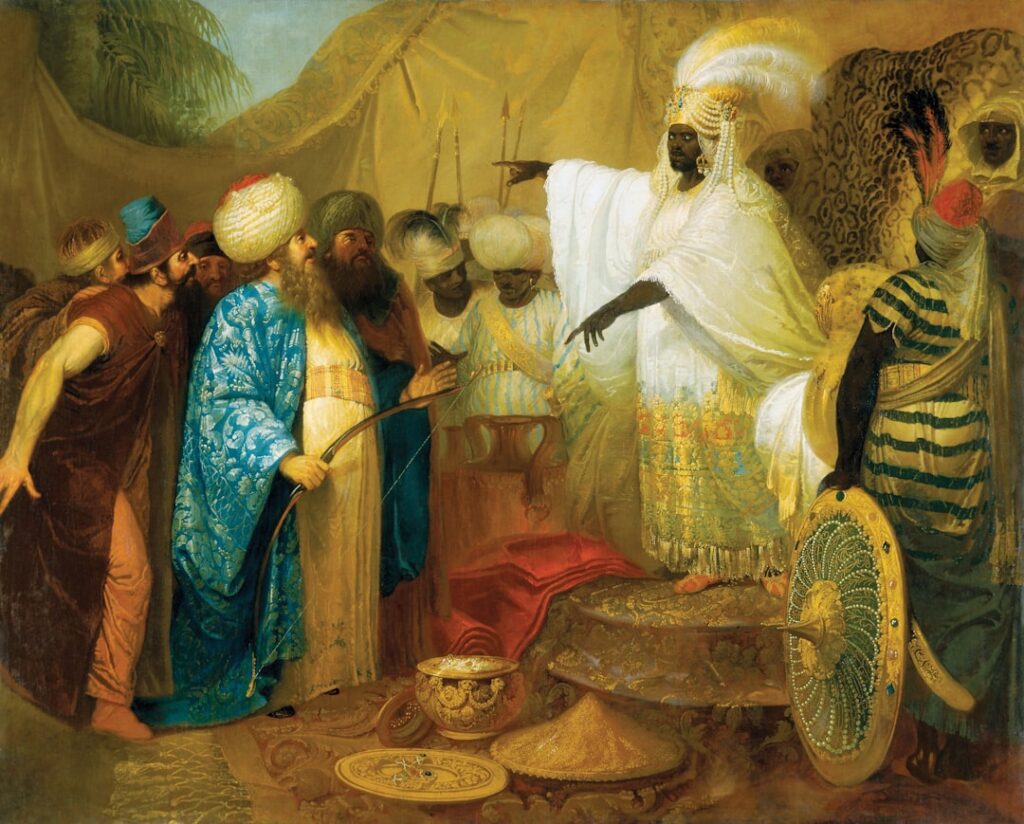
Photo by Europeana on Unsplash
In Matthew 27, we see the contrasting responses to Jesus’ crucifixion. While many mocked Him, one of the criminals on the cross recognized Jesus’ true identity. He pleaded, “Lord, remember me when You come into Your kingdom.” This plea for mercy reflects a profound understanding of Jesus’ authority and the hope of eternal life.
Living Out Our Legacy
As we consider our legacies, let us strive to leave a mark that reflects our love for Jesus. Our lives should testify to His goodness and grace, influencing those around us to seek Him. Surrendering to the King means prioritizing our relationship with Him above all else.

Photo by Patrick Fore on Unsplash
We are called to be vessels of His love, sharing the message of salvation with others. The world needs to see the hope we have in Christ, and our actions can lead others to Him.
Conclusion: A Call to Action
In closing, let us not wait for the world to dictate our actions. Instead, let us rise up as followers of Christ, actively seeking to surrender our lives to the King. Embrace the call to share His love, serve others, and live out our faith boldly. Together, we can impact the world for His glory.

Photo by Ben White on Unsplash
As we go forth, remember that every action counts. Whether small or significant, let your life reflect the truth of who Jesus is. Surrender to the King and watch as He transforms your life and the lives of those around you.