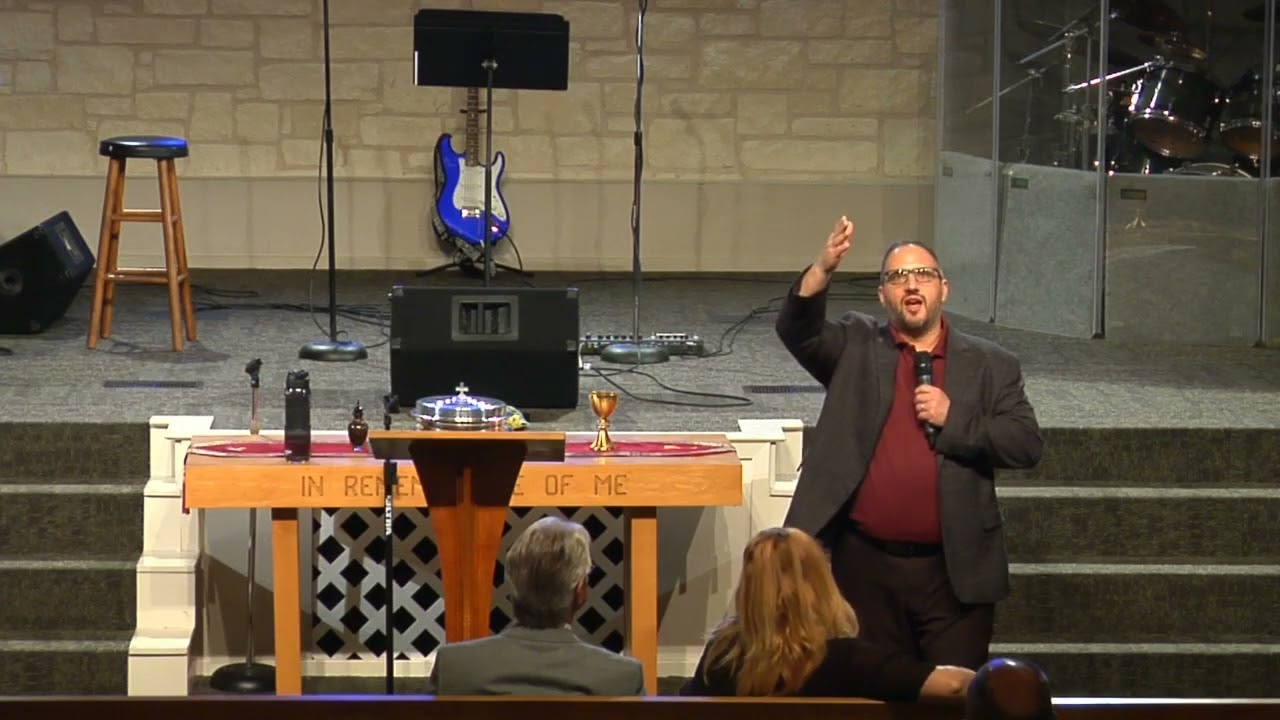
The Worldwide Liberation Movement
The phrase “Worldwide Liberation Movement” evokes a sense of positivity and hope. It conjures images of freedom, unity, and breaking free from oppression. However, the power of perception plays a significant role in how we interpret this concept. In various contexts, terms can be framed in ways that create expectations—both positive and negative. This blog explores the idea of this movement in the light of the Gospel of Jesus Christ, emphasizing its role as a liberating force in the world.

Photo by Daniel Curran on Unsplash
Understanding Perception and Expectation
Perception shapes our reality. It influences how we relate to different ideas, especially when it comes to the Gospel and the mission of the Church. Often, the Gospel is viewed through a lens of cultural biases that can distort its true meaning. When we think of the Great Commission or evangelism, preconceived notions may arise that frame these concepts negatively, as if they are instruments of oppression rather than liberation.
For instance, the way we communicate about the Gospel can either invite or repel acceptance. If we frame it as an oppressive moral system, it can be perceived as an intrusion into personal freedom. On the contrary, when we present it as a movement of liberation, it becomes a message of hope. It’s essential to understand that the Gospel is not about imposing tyranny; it’s about bringing freedom and light to those in darkness.

Photo by Nick Fewings on Unsplash
The Gospel as a Liberation Movement
The essence of the Gospel is liberation. It is about freeing individuals from spiritual bondage and oppression. The Kingdom of God is breaking forth, offering freedom to those who are enslaved, healing to the brokenhearted, and light to those living in darkness. This is an exciting and transformative message.
As believers, we must reject any notion that suggests the Gospel brings oppression. Instead, we must embrace the truth that it is the source of life, healing, and deliverance. The narrative of the Gospel is one of liberation—a call to break down walls of division and unite humanity under the love of Christ.

The Power of Language and Expectation
Language significantly impacts how we perceive ideas. The expectations created by certain phrases can either empower or hinder acceptance. For example, when we hear terms like “the Affordable Health Care Act,” they may provoke a response based on preconceived notions about affordability and accessibility, regardless of the reality.
Similarly, when we talk about the Gospel, we must be mindful of the language we use. If we present it as a list of rules or a means of control, it will be met with resistance. However, if we frame it as a liberating movement that honors the dignity and worth of every individual, we create an environment where people are more likely to embrace it.

Photo by Annika Gordon on Unsplash
The Great Commission as Liberation
At its core, the Great Commission is about liberation. It is a call to all believers to spread the message of the Gospel, which brings life and hope to the world. The call to evangelism should not be seen as an oppressive mandate but rather as an invitation to participate in a movement that seeks to liberate the oppressed.
Understanding the Great Commission as a Worldwide Liberation Movement allows us to see its true purpose. It is not about imposing beliefs but about offering a pathway to freedom and reconciliation. This perspective empowers us to share the Gospel with confidence and love, knowing it is the only source of true liberation.
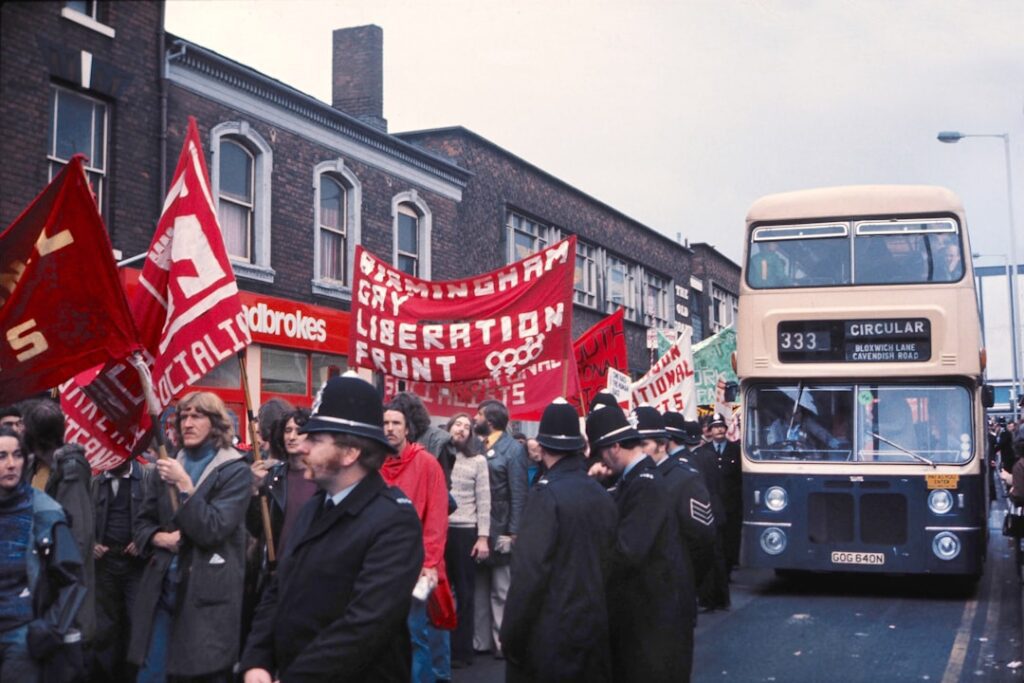
Photo by Ian Sanderson on Unsplash
Addressing Cultural Perceptions
In today’s society, many people view the Church and the Gospel through a critical lens, often associating it with oppression and judgment. This perception can be discouraging for believers who know the truth of the message. However, it is crucial to recognize that these views often stem from cultural misunderstandings.
The reality is that the Gospel is a message of love and acceptance. It is about bringing hope to the hopeless and healing to the wounded. When we communicate the Gospel, we must emphasize its liberating nature, challenging the negative perceptions that have taken root in society.

Photo by Ashes Sitoula on Unsplash
God’s Heart for Liberation
God’s desire is for all people to be free. The Scriptures reveal a God who is passionate about justice and liberation. He commands all men everywhere to repent, not as a tyrant but as a loving Father who desires to see His creation restored to its intended purpose.
In Acts 17:29-30, we find a powerful reminder of God’s heart for humanity. He understands the struggles of idolatrous cultures and has overlooked their ignorance until the time of Christ. Now, with the advent of the Gospel, He calls everyone to repentance because He wants to liberate them from the chains of sin and oppression.

Photo by Aziz Acharki on Unsplash
The Power of the Gospel
The Gospel is powerful and transformative. It has the ability to break down strongholds, heal the brokenhearted, and bring hope to the hopeless. As believers, we must recognize the authority we have through the Word of God. It is not merely a collection of ancient texts but a living and active force that can change lives.
Hebrews 4:12-13 emphasizes the power of the Word of God, describing it as sharper than any two-edged sword. This imagery illustrates the Gospel’s ability to penetrate the deepest parts of our being, discern our thoughts, and expose the intentions of our hearts. When we engage with Scripture, we invite the transformative power of God into our lives.

Awakening the Church
As we embrace the Worldwide Liberation Movement, it is vital that the Church awakens to its mission. We are called to be agents of change, bringing the message of liberation to a world in bondage. This requires unity, faith, and a commitment to live out the Gospel in our daily lives.
Matthew reminds us that Jesus performed mighty works and miracles, yet He faced unbelief in His hometown. This serves as a cautionary tale for the Church today. We must not allow familiarity or complacency to stifle our faith. Instead, we should expect God to move powerfully among us as we step out in faith.

Photo by Samantha Sophia on Unsplash
The Role of Prayer and Unity
Prayer is a crucial element in the Worldwide Liberation Movement. It is through prayer that we align ourselves with God’s will and invite His presence into our lives and communities. Unity among believers enhances our collective power to effect change in the world.
When we come together in prayer, seeking God’s presence and guidance, we create an environment where miracles can happen. The hunger for God’s presence ignites passion and purpose, empowering us to share the message of liberation with boldness.

Photo by Rosie Sun on Unsplash
Conclusion: The Call to Action
The Worldwide Liberation Movement is not merely an abstract concept; it is a call to action for every believer. As we embrace the Gospel as a liberating force, we can transform our communities and the world. Let us be bold in sharing the message of hope, healing, and freedom that is found in Christ.
As we move forward, let us remember that we are not alone in this mission. We have the power of the Holy Spirit guiding us, the Word of God empowering us, and the love of Christ compelling us to act. Together, we can be agents of change, bringing the message of liberation to a world in desperate need of hope.

Photo by freestocks on Unsplash