Exploring the Essence of Love in Spiritual Life

Dive into the greatest commandment and discover how to embody love for God and neighbor in your daily life. A guide to understanding love's profound impact.

Watch the Video!

The Greatest Commandment

YouTube player

Understanding the essence of love is at the heart of our spiritual journey. The greatest commandment, as articulated in the Bible, serves as a guiding principle for how we should live our lives. In this exploration, we will delve deep into the meaning and implications of loving God and loving our neighbors as ourselves.

The Context of the Commandment

The foundation of our discussion is found in Matthew 22:35-40, where a lawyer asks Jesus, “Teacher, which is the great commandment in the law?” Jesus responds with a profound answer that encapsulates the essence of our relationship with God and others.

He states, “You shall love the Lord your God with all your heart and with all your soul and with all your mind. This is the great and first commandment. And the second is like it: You shall love your neighbor as yourself.” These two commandments are the crux of all the law and the prophets.
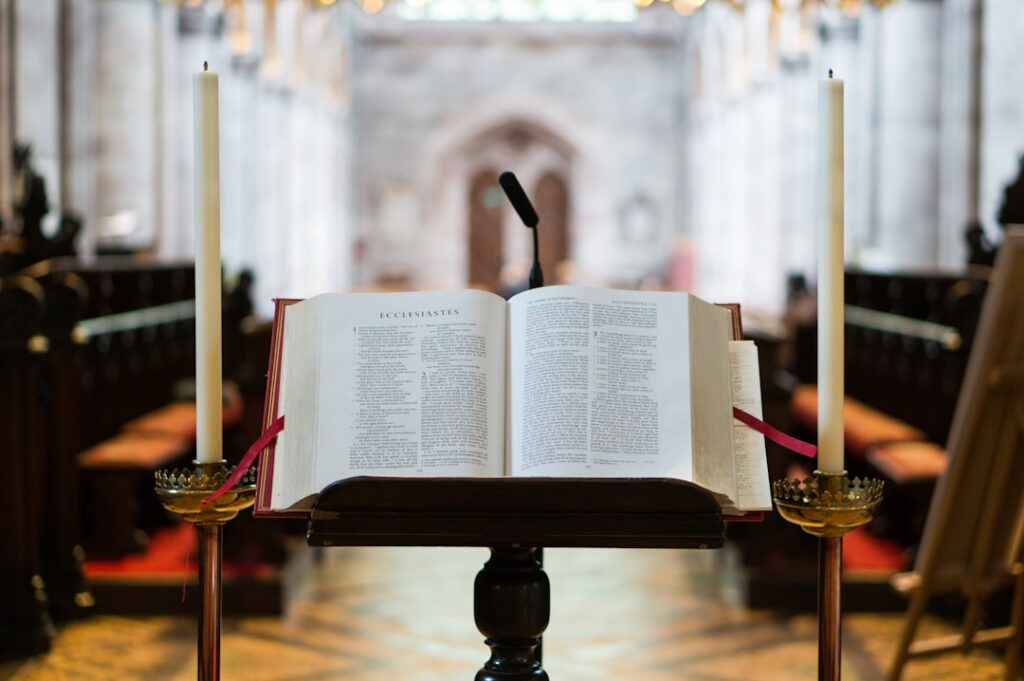
Photo by Stephen Radford on Unsplash

The Role of Jesus as Rabbi

To fully appreciate the significance of this commandment, it’s essential to understand the role of Jesus as a rabbi in the first century. Unlike the typical understanding of a carpenter, Jesus was a rabbi who engaged in teaching and interpreting the scriptures. The rabbinical tradition, which emerged around 150 years before Jesus, aimed to help ordinary people understand how to live under God’s law.

Rabbis were not just educators; they were role models. Disciples followed their rabbi closely, emulating their actions and teachings. This was a dynamic and immersive learning process, where disciples aimed to embody the teachings of their rabbi, ultimately becoming like them.
Photo by Centre for Ageing Better on Unsplash

The Shema: A Central Prayer

Jesus’ reference to loving God with all our heart, soul, and mind draws from the Shema, a central declaration of faith in Judaism found in Deuteronomy 6:4-9. This prayer emphasizes the oneness of God and the command to love Him fully. The Shema is recited daily by observant Jews and serves as a reminder of their covenant with God.

The command to love God is not merely about feelings; it involves our entire being. We are to love God with our emotional heart, our life (soul), and our strength (might). This comprehensive love calls us to integrate our faith into every aspect of our lives.

Photo by Levi Meir Clancy on Unsplash

The Practical Application of Love

So how do we translate this commandment into our daily lives? The answer lies in the way we interact with others and how we express our love for God. Jesus’ teachings remind us that our love for God must manifest in our relationships with those around us. This is where the second commandment comes into play: loving our neighbor as ourselves.

  • Daily Conversations: Discussing our faith with family and friends, sharing God’s goodness in our lives.
  • Acts of Kindness: Engaging in selfless acts that demonstrate our love for others.
  • Community Involvement: Being involved in our communities to uplift those in need.

The Challenge of Love

While loving God and our neighbors seems straightforward, it can often feel overwhelming. The call to love is not just a suggestion; it is a command that requires commitment and effort. We often find ourselves falling short, struggling to love perfectly.

Recognizing our limitations is essential. David and Goliath’s story exemplifies the idea that we often face giants in our lives that seem insurmountable. Yet, like David, we must remember that our faith in God empowers us to overcome these challenges.

Photo by Mateus Campos Felipe on Unsplash

The Need for a Deliverer

Our inability to love perfectly highlights the need for a Savior. Jesus, as the embodiment of love, fulfills the law and offers us grace. In our moments of failure, we must turn to Him, asking for help to fulfill the commandment of love. It is through Christ that we find the strength to love God and others genuinely.

Understanding Love Through the Spirit

1 John 4:13-19 emphasizes that our ability to love stems from God’s love for us. When we recognize that God first loved us, we are empowered to extend that love to others. The Holy Spirit plays a crucial role in this process, helping us to abide in God’s love and share it with those around us.

As we engage with the world, we must remember that love is not just an action; it is a state of being. It requires us to be rooted in our identity as beloved children of God, which enables us to serve others selflessly.

Photo by Tim Marshall on Unsplash

The Practical Steps to Loving Well

To live out the greatest commandment, we can take practical steps that align our actions with our faith. Here are some actionable ways to express love:

  1. Prayer: Begin with prayer, asking God to help you love others as He loves you.
  2. Listen: Take the time to listen to others, showing empathy and understanding.
  3. Serve: Look for opportunities to serve in your community, whether through volunteering or simple acts of kindness.
  4. Forgive: Practice forgiveness, letting go of grudges and extending grace to others.
  5. Share: Share your faith journey with others, allowing them to see God’s love in action.

The Transformative Power of Love

Ultimately, love has the power to transform lives. When we embody the greatest commandment, we become vessels of God’s love in the world. This love not only impacts those around us but also deepens our relationship with God.

As we strive to love God with all our heart, soul, and mind, and to love our neighbors as ourselves, we participate in a divine mission that brings healing and hope to our communities.

Conclusion: Embracing the Greatest Commandment

The greatest commandment is more than a rule; it is a way of life. It challenges us to reflect on our priorities and our relationships. As we embrace this commandment, we invite God’s transformative love into our hearts, enabling us to love others authentically.

Let us commit to living out this commandment daily, allowing it to shape our actions and interactions. In doing so, we fulfill our calling as followers of Christ, living in a way that honors God and uplifts those around us.

Photo by Lina Trochez on Unsplash


Facebook
LinkedIn
X
Email

Related Sermons

Radiant golden light breaking through darkness with diverse people walking forward together, symbolizing healing, freedom, and becoming like Jesus.

The Christian Revolution: How to Truly Become Like Jesus

Christianity is light breaking into a world of darkness, and the life of Christ is meant to be reproduced in us. This is the heart of the Christian revolution: God brings healing, liberty, and glory through a people becoming like Jesus. We often think maturity comes from our efforts, but true transformation happens through worshiping Him. Every human life has value because we bear the image of God. Join the Jesus revolution, where we move from an escapist faith to actively participating in bringing His light into the world. Discover how to reflect Jesus and make a difference today!

Read More »
Illustration of believers encouraging one another and carrying spiritual peace from their daily work into their homes and community under a radiant light, with no text.

Turn Your Daily Work Into Worship: Living in Spirit and Truth

Glory to God. Perspective is everything, family. The believer’s perspective must align with the Father, where true peace resides. When we focus on the people God has placed in front of us, we can carry His power into our homes, jobs, and relationships. Work is not just a task; it can become worship when we recognize who gave us the opportunity. Genuine humility and teamwork can transform our environments, allowing us to serve others with love and kindness. Discover how to turn your daily work into an act of worship and embrace the divine purpose in every aspect of your life.

Read More »
A reverent sunrise scene symbolizing true freedom centered on Christ, with a light cross in the sky and subdued fireworks in the distance, showing hope and liberty.

Jesus and the 4th of July: The True Meaning of Freedom

Jesus and the Fourth of July belong together far more than most people realize. Independence Day often gets reduced to fireworks and barbecues, but if we remember who we are and what liberty truly means, Jesus is at the center of it all. The call to remember our identity and history is crucial; without it, our celebration becomes shallow. The Exodus story is not just a tale of liberation; it’s a powerful reminder that true freedom is rooted in God’s grace and covenant. Discover how these themes intertwine and shape our understanding of liberty today.

Read More »
A hopeful symbolic scene showing a broken world transforming into a radiant, heaven-like renewal as light bridges from ruin to restoration.

Does the Church Bring Heaven to Earth?

Does the Church Bring Heaven to Earth? This bold statement invites us to explore a profound truth: the church is not merely a gathering but a living temple where heaven and earth intersect. In a world filled with confusion and despair, the church embodies God’s promise to restore what was broken. As we engage in true worship and build together as a community, we become vessels of God’s presence, allowing the river of life to flow through us. Discover how every member plays a vital role in bringing healing and hope to our broken world. Join us in this transformative journey!

Read More »

Torn from Top to Bottom: The Mystery of the Temple Revealed

A verse can sit in plain sight for years and still slip past us. In Matthew 27, at the moment Jesus gave up His spirit, the temple curtain was torn from top to bottom. This dramatic detail was not random; it was a revelation. It signaled the end of one order and the beginning of another, as God established a living temple made of His people by the Holy Spirit. Discover how this pivotal moment reshapes our understanding of access to God, the significance of the church, and the transformative power of the Holy Spirit in our lives today.

Read More »

The Missing Feast: Why Pentecost Matters More Than We Realize

We all know how to make room for certain holy days. Christmas is everywhere. Easter still carries weight in the culture. But there is another feast that should be just as central: Pentecost. This “missing feast” is not just a historical event; it reveals how the Christian life is meant to be lived today. It speaks of the Holy Spirit’s outpouring, the unity of believers, and the transformative power of God in our lives. Discover why Pentecost matters more than we realize and how it can reshape our understanding of faith, community, and the world around us.

Read More »

How to Live in the End Times

The phrase “end times” often conjures images of panic and speculation, but Peter offers a different perspective. He urges us to embrace a life of prayer, love, and service, reminding us that the end is not merely a distant event but a present reality. This understanding transforms our approach to the world, encouraging us to embody the kingdom of God now. Instead of succumbing to fear, we are called to live with fervent love, hospitality, and a commitment to justice. Discover how to navigate these times with purpose and hope, reflecting the glory of God in every aspect of life.

Read More »
Pastor pointing while speaking at the pulpit with an open Bible during a sermon on honoring mothers

Why Motherhood Is the Most Important Job

Motherhood is not just a role; it is a profound calling designed by God. It shapes lives, influences generations, and reflects the heart of our Creator. From the wisdom of the Proverbs 31 woman to the heartfelt story of Hannah, the Bible offers rich insights into the beauty and weight of motherhood. This journey is filled with both joy and heartache, yet it is a sacred work that deserves honor and recognition. Discover how the lessons of motherhood can transform not only families but also communities and nations. Join us in exploring the significance of this vital role.

Read More »
Church speaker at a podium discussing Easter hope and God’s faithfulness when hopes collapse

Why the Resurrection of Jesus Changes Everything

Every year, when Resurrection Sunday comes around, there is a sense that words are not enough. We instinctively know that what we celebrate is too weighty and beautiful to fully capture. The resurrection of Jesus is not merely a cherished doctrine; it is the turning point of history, the defeat of death, and the beginning of a new way of living. This message carries the weight of hope and victory, demanding our attention and inviting us to explore how it transforms our lives and the world around us. Discover how the resurrection shapes our faith and daily existence.

Read More »
Church speaker gesturing while teaching at lectern in church sanctuary

Why “Go and Make Disciples” Is Actually Mistranslated

What if the Great Commission isn’t a heavy burden of pressure and guilt, but an invitation to live fully in Christ? Instead of merely “going” to make disciples, imagine a life where disciple-making flows naturally from your everyday activities. This shift transforms the command into a joyful expression of faith, where you bear witness to Jesus simply by being who you are. Discover how understanding the heart of this message can liberate you from striving and lead you into a vibrant, grace-filled life that reflects the beauty of God’s kingdom in every sphere of your existence.

Read More »