Create a Better World: The Call to Transform Culture
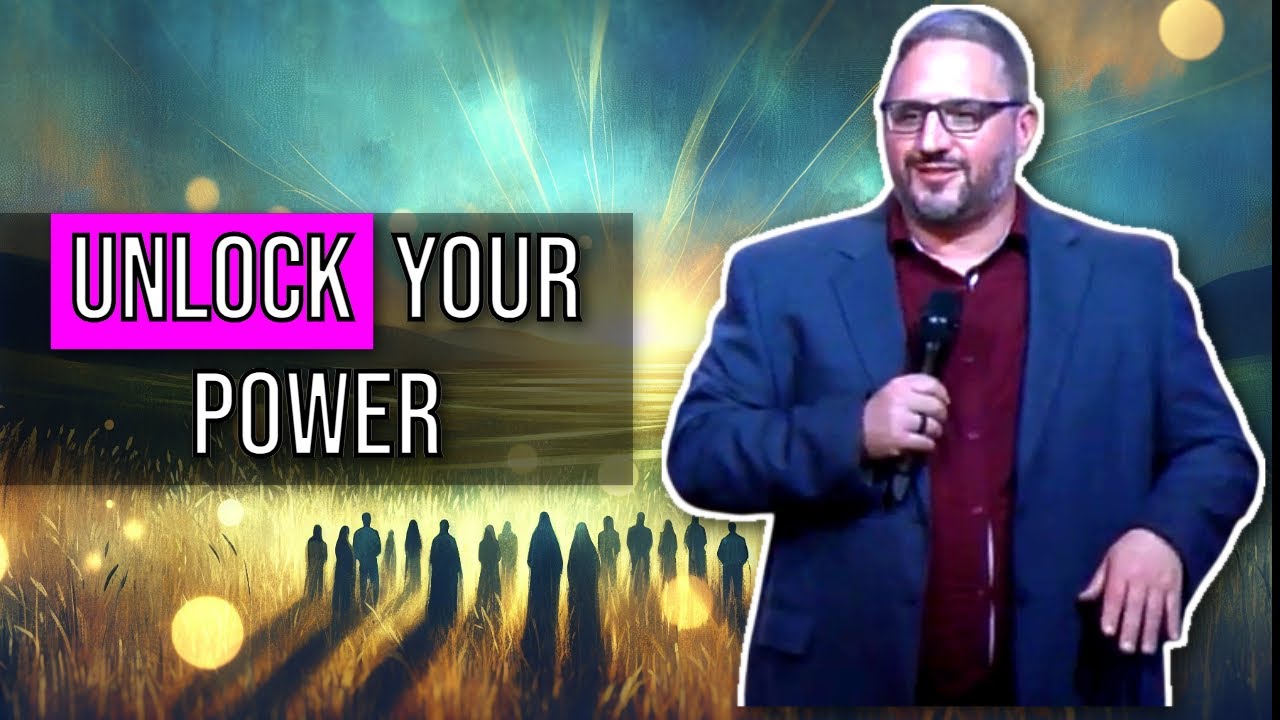
The world we live in is shaped by culture, an intricate web woven by the actions and beliefs of individuals. In our quest to create a better world, we must recognize the importance of transforming this culture. This transformation requires courage, understanding, and a commitment to fostering relationships that uplift and inspire change. This blog explores the various facets of cultural transformation, the vital role of discipleship, and the authority we possess in Christ to make a difference.
The Nature of Culture
Culture is a collective expression of the values, beliefs, and practices that define a community. Just as families, communities, cities, and nations have their unique cultures, so too do generations. Each culture has the potential to either uplift or oppress, to inspire or to instill fear. To create a better world, we must confront the reality of our current cultural state and understand the trajectory it is on.

Photo by Suzanne D. Williams on Unsplash
Facing Reality
Confronting the current state of our culture is essential. We must not shy away from difficult conversations or uncomfortable truths. Acknowledging the issues at hand allows us to address them head-on, fostering an environment where healing and transformation can occur. Fear often prevents us from engaging in these conversations, but faith, hope, and love can guide us through the darkness.
The Power of Relationships
At the heart of cultural transformation lies the power of relationships. How we interact with one another significantly impacts the climate of our communities. When we build authentic relationships, we create spaces for understanding, forgiveness, and love. This relational dynamic is crucial in diffusing cultural tensions and promoting healing.

Photo by Matt Popovich on Unsplash
The Role of Discipleship
Discipleship is the process through which individuals grow in their faith and learn to embody the teachings of Christ. By making disciples, we can cultivate a culture that reflects the values of the Kingdom of God. Discipleship involves more than mere instruction; it requires a commitment to walking alongside others, sharing in their journeys, and fostering an environment of grace and growth.
Hope for the Future
As we navigate the complexities of our current cultural landscape, it is crucial to hold on to hope. The promises of God provide a foundation for our belief in a better future. Through Christ, we have access to healing, redemption, and transformation. We are not without hope; rather, we are empowered to bring about change in our communities.

Photo by Jan Tinneberg on Unsplash
The Authority We Hold in Christ
Jesus has bestowed upon us authority to impact the world around us. This authority is not limited to the church but extends to all aspects of life. We are called to manifest the love and grace of God in every interaction, illuminating the darkness with the light of Christ. Understanding our position in Christ allows us to engage boldly in the mission of transforming culture.
Creating a Better World through Action
To create a better world, we must take action. This involves going out into our communities, building relationships, and sharing the message of the Gospel. The Great Commission calls us to make disciples of all nations, teaching them to observe all that Christ has commanded. Our actions should reflect our commitment to this mission.

Photo by Shane Rounce on Unsplash
Engaging in the Mission
Engagement in the mission requires us to step outside our comfort zones. It involves connecting with people from various backgrounds, demonstrating love and compassion, and inviting them into a relationship with Christ. As we engage, we become agents of change, influencing our culture for the better.
The Importance of Worldview
Worldview plays a crucial role in shaping culture. The stories we tell and the narratives we embrace inform our values and expectations for the future. By grounding ourselves in the truth of Scripture, we can counteract the negative narratives that seek to divide and oppress. A healthy worldview rooted in Christ enables us to navigate challenges with grace and resilience.

Photo by Pawel Czerwinski on Unsplash
Overcoming Evil with Good
As Christians, we are called to overcome evil with good. This principle is foundational to our mission of creating a better world. By actively engaging in acts of kindness, compassion, and love, we can diffuse the landmines of anger, resentment, and division that threaten to tear our communities apart. Our actions should reflect the character of Christ, drawing others towards the hope and healing found in Him.
Building the Church
The church plays a vital role in cultural transformation. It is within the context of the church that discipleship flourishes, and individuals can grow in their faith. As we build up the church, we create a community that reflects the love and grace of God, empowering its members to engage in the mission of making disciples.
Photo by Jon Flobrant on Unsplash
Reviving the Value of the Church
In today’s society, the value of the church is often diminished. However, it is essential to recognize the church as the body of Christ, called to be a light in the world. By reviving the importance of the church in our communities, we can foster an environment where individuals are encouraged to grow in their faith and engage actively in the mission of discipleship.
Conclusion: A Call to Action
Creating a better world is not merely an ideal; it is a call to action. As we engage in the mission of making disciples, we have the opportunity to transform our culture and impact future generations positively. Let us embrace our authority in Christ, build meaningful relationships, and commit ourselves to the work of discipleship. Together, we can create a world that reflects the love and grace of God, shining brightly in a world that desperately needs hope.

Photo by Ben White on Unsplash
Create a Better World
(Preaching Outline)
- Where our world is heading
- We need to have the courage to face reality head on and the wisdom to understand the trajectory relationships are heading. (Why relationships? – this is how messages apply.)
- Stephanie showed me a video called “What We are Doing to White People” by Charlie Cheon – He shows the current conviction that societal evil is the fault of white people and discrimination against white people is not possible because you have to have the power to oppress in order for it to be discrimination. He shows TikTok videos that this is a very significant issue. They even call for the genocide of white people. One of his fundamental arguments is that laws and policies being made proves there is the power to oppress. This is actual systemic racism. He warns that this is leading to a culture of violence and oppression. Evil is producing evil. (https://youtu.be/BFpUjyM0orQ)
- When I came back from Belfast, one of the first things I noticed after being away for five years was the significant hostility that was manifesting in racial relations.
- How does that make you feel? How does it make you want to respond? Fear or Faith? Christ would ask you, do you have faith for your relationships?
- Are we creating, because we are creating it, the world we want to leave for our children and future generations?
- Here is a scripture that challenges us when confronting issues in the world: Ephesians 2:11–13 (NKJV) — 11 Therefore remember that you, once Gentiles in the flesh—who are called Uncircumcision by what is called the Circumcision made in the flesh by hands—12 that at that time you were without Christ, being aliens from the commonwealth of Israel and strangers from the covenants of promise, having no hope and without God in the world. 13 But now in Christ Jesus you who once were far off have been brought near by the blood of Christ.
- We have to have hope in the world or we are no longer believers. I am going to share some scripture that will help have hope and will set us on a trajectory to create a better world.
- Dealing with landmines in relationships – They need to be removed when they are not blowing up.
- The importance of worldview – one of the major problems is that the world is listening to all of the wrong stories and therefore has developed all of the wrong values.
- I challenge that the church often listens to the wrong stories when confronting issues in our relationships – they are stories without hope and grounded in fear rather than faith.
- We need to understand that the stories we listen to drive the world we create and leave for future generations.
- We also need to heed the admonition of scripture which says: Romans 12:21 (NKJV) — 21 Do not be overcome by evil, but overcome evil with good.
- Scriptures are the source of the stories that create a better world because they not only tell a story but bring empowerment to change the world – it makes us partners with God in the drama of redemption.
- Luke 10:1 (NKJV) — 1 After these things the Lord appointed seventy others also, and sent them two by two before His face into every city and place where He Himself was about to go.
- Luke 10:8–12 (NKJV) — 8 Whatever city you enter, and they receive you, eat such things as are set before you. 9 And heal the sick there, and say to them, ‘The kingdom of God has come near to you.’ 10 But whatever city you enter, and they do not receive you, go out into its streets and say, 11 ‘The very dust of your city which clings to us we wipe off against you. Nevertheless know this, that the kingdom of God has come near you.’ 12 But I say to you that it will be more tolerable in that Day for Sodom than for that city.
- Luke 10:17–20 (NKJV) — 17 Then the seventy returned with joy, saying, “Lord, even the demons are subject to us in Your name.” 18 And He said to them, “I saw Satan fall like lightning from heaven. 19 Behold, I give you the authority to trample on serpents and scorpions, and over all the power of the enemy, and nothing shall by any means hurt you. 20 Nevertheless do not rejoice in this, that the spirits are subject to you, but rather rejoice because your names are written in heaven.” – (satan never ruled in heaven)
- The gospel has the power to change the trajectory of the world.
- Matthew 28:18–20 (NKJV) — 18 And Jesus came and spoke to them, saying, “All authority has been given to Me in heaven and on earth. 19 Go therefore and make disciples of all the nations, baptizing them in the name of the Father and of the Son and of the Holy Spirit, 20 teaching them to observe all things that I have commanded you; and lo, I am with you always, even to the end of the age.” Amen.
- We are sent with authority and we need to understand our authority.
- Satan fell like lightening because the 70 went in the authority of Christ.
- Ephesians 2:4–6 (NKJV) — 4 But God, who is rich in mercy, because of His great love with which He loved us, 5 even when we were dead in trespasses, made us alive together with Christ (by grace you have been saved), 6 and raised us up together, and made us sit together in the heavenly places in Christ Jesus.
- The enemy usurps the authority of man as he did in the fall.
- We are called to be disciples to make disciples
- John 15:16–17 (NKJV) — 16 You did not choose Me, but I chose you and appointed you that you should go and bear fruit, and that your fruit should remain, that whatever you ask the Father in My name He may give you. 17 These things I command you, that you love one another.
- 1 John 4:17–19 (NKJV) — 17 Love has been perfected among us in this: that we may have boldness in the day of judgment; because as He is, so are we in this world. 18 There is no fear in love; but perfect love casts out fear, because fear involves torment. But he who fears has not been made perfect in love. 19 We love Him because He first loved us.
- Charles Hodge in his Systematic Theology: Seeing then that the world by wisdom knows not God; seeing that men when left to themselves inevitably die in their sins; it has “pleased God by the foolishness of preaching to save them that believe.” (1 Cor. 1:21.) God has sent his Son into the world to save sinners. Had any other method of salvation been possible, Christ is dead in vain. (Gal. 2:21; 3:21.) There is, therefore, no other name whereby men can be saved. (Acts 4:12.) The knowledge of Christ and faith in Him are declared to be essential to salvation.[1]
- Matthew 28:18–20 (NKJV) — 18 And Jesus came and spoke to them, saying, “All authority has been given to Me in heaven and on earth. 19 Go therefore and make disciples of all the nations, baptizing them in the name of the Father and of the Son and of the Holy Spirit, 20 teaching them to observe all things that I have commanded you; and lo, I am with you always, even to the end of the age.” Amen.
- A church of disciples making disciples
- A church that exhibits faith, hope and love rather than fear.
- A culture of love and growth
- Why I have enjoyed working at Christian schools. – People and Problems
- I look forward to the day that LSCC becomes a context for transformation.
- Christian community is challenging but it is how we become like Christ.
- A culture of grace and forgiveness. – Grace in Relationships
- How a church grows.
- We talked at life group about how a wrong story of how God saves can restrict us from bearing fruit.
- Authorpreneur group I was a part of – a great book will never be read if we do not sell its value.
- Tell the story of Christ, His kingdom and of his bride.
- Tell the story of how people belong in the church.
- Tell the story of LSCC.
- Go!
- Power, Authority, Presence – the Holy Spirit has been given.
- Create a better world for our children and future generations!
[1] Charles Hodge, Systematic Theology, vol. 1 (Oak Harbor, WA: Logos Research Systems, Inc., 1997), 29–30.