The Hidden Power of Church: Transforming Culture from Within
The celebration of Easter is a reminder of the resurrection and the hope it brings. This hope is not just for individuals but also for nations and cultures. The message of resurrection resonates throughout history, and it emphasizes that life can emerge from the grave, both literally and metaphorically. In this blog, we will explore how the church can play a pivotal role in transforming culture by focusing on rebuilding God’s house and restoring true worship.
The Resurrection of a Nation
Throughout history, there have been remarkable stories of resurrection, notably the resurrection of a nation. One such story is recorded in the book of Ezra, where, after a period of captivity, the Jews were allowed to return to Jerusalem. This was a significant moment, as it marked the revival of a nation that had seemingly died due to their unfaithfulness to God.
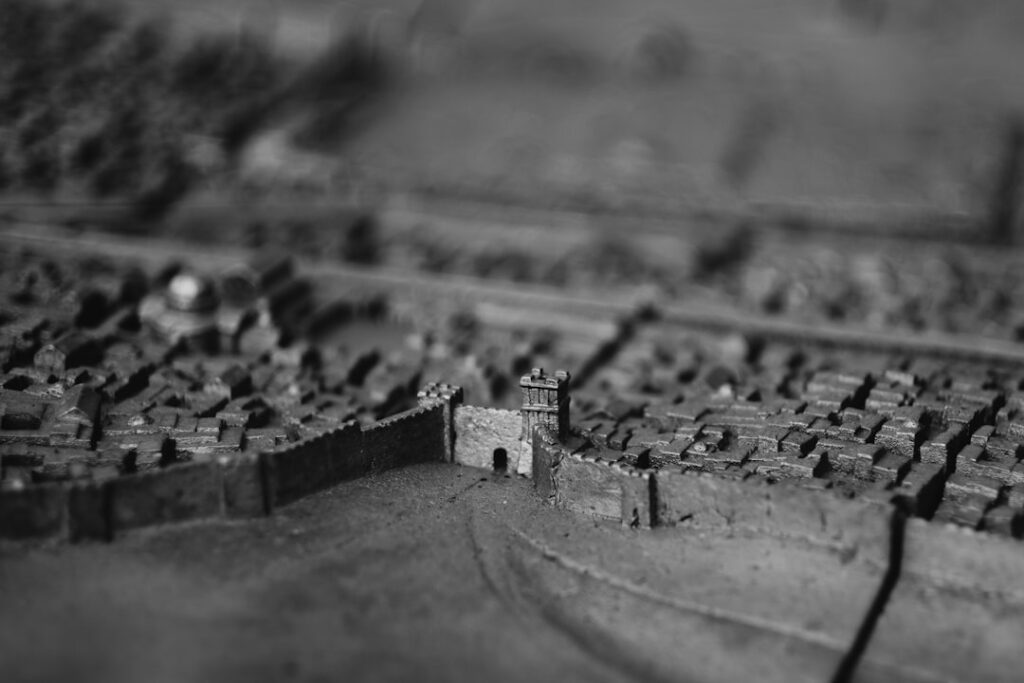
Photo by Levi Meir Clancy on Unsplash
Upon their return, the first action of the people was to reinstitute worship, although they initially neglected to rebuild the temple. This highlights an important lesson: personal worship alone is insufficient. God’s desire is for His house to be rebuilt, as this restoration is integral to the revival of the nation.
Engaging with God’s Call
Daniel’s example illustrates how engagement with God’s word and purpose is crucial. Instead of passively accepting the 70 years of captivity, he prayed and sought God’s intervention. This proactive approach led to the decree allowing the Jews to return home. The importance of prayer and action cannot be overstated; it is a catalyst for change.

Photo by Ben White on Unsplash
When the Jews returned, they focused on building their own homes and lives, which is relatable in today’s culture. We often get caught up in our personal pursuits, forgetting the greater mission that God has for us. Haggai, a prophet sent by God, urged the people to recognize the need to rebuild God’s house, reminding them that their personal efforts would yield little if they neglected their divine purpose.
God’s House: The Center of His Plan
God’s house is central to His plan for the world. When the people began to realize the significance of their mission, they responded to Haggai’s call. The rebuilding of the temple was not merely a construction project; it was a restoration of their identity and purpose. The temple represented God’s presence among His people, and its reconstruction was essential for national revival.
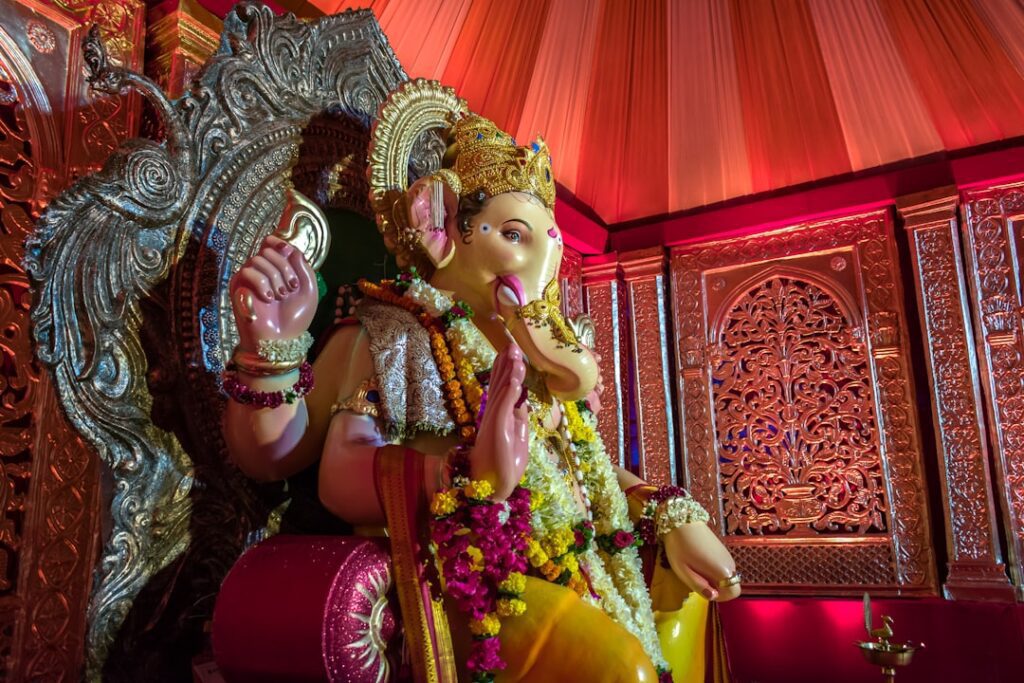
Photo by Sonika Agarwal on Unsplash
Haggai’s message was clear: when God’s house is prioritized, the blessings will flow. This principle holds true today; when we focus on building the church and engaging in community, we can expect to see transformation both personally and culturally.
The Role of Prophets
In the context of restoration, the role of prophets like Haggai and Zechariah was vital. They provided vision and encouragement during a time of despondency. Zechariah received dreams that revealed God’s heart and His desire for His people to rise up and fulfill their calling. The prophetic voice is essential in guiding communities to recognize their purpose and the urgency of their mission.

Photo by Ian Schneider on Unsplash
God’s revelations, often communicated through dreams and visions, serve to awaken hope and faith in His people. It is essential to remain open to how God speaks and to be willing to act on His guidance, just as the Israelites did when they responded to the prophetic call.
Understanding Judgment and Restoration
Judgment is often misunderstood, yet it plays a critical role in the restoration process. God’s judgment is not merely punitive; it is redemptive. It serves to remove wickedness and restore righteousness. The people of Israel faced judgment for their unfaithfulness, but this led to their eventual restoration and the rebuilding of their nation.

Photo by Egor Vikhrev on Unsplash
The imagery of fire is frequently associated with judgment in Scripture, symbolizing purification and the removal of evil. This understanding is crucial as we navigate cultural challenges today. Acknowledging God’s judgment can lead to a deeper appreciation for His grace and mercy, which ultimately restores and revives.
Complacency: The Enemy of the Kingdom
Complacency can hinder our effectiveness in fulfilling God’s mission. The Israelites became complacent after restoring their worship, neglecting the rebuilding of the temple. This complacency is a warning for us today; we must remain vigilant and proactive in our faith and mission.
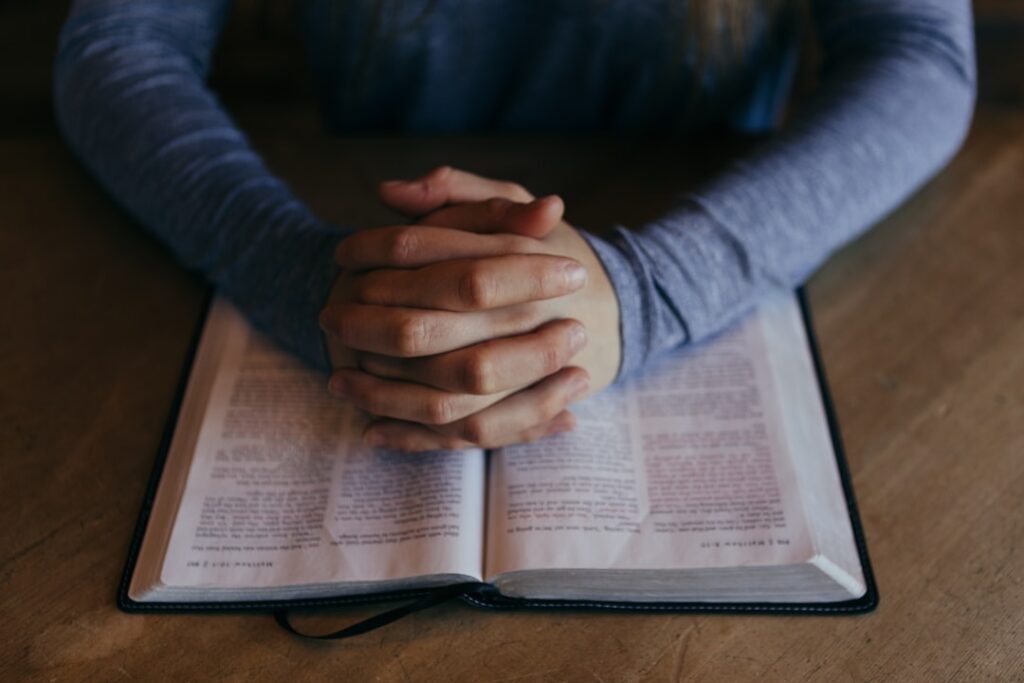
Photo by Patrick Fore on Unsplash
When we become comfortable with our routines, we risk losing sight of our purpose. God desires for us to be engaged in His work, actively participating in the transformation of our communities and cultures. The message from Haggai is applicable: we must prioritize the rebuilding of God’s house to see cultural change.
The Impact of True Worship
The first commandment emphasizes the importance of worshiping God alone. When we prioritize our relationship with Him, everything else falls into place. The moral fabric of society is woven through our worship and devotion. A nation that honors God will reflect His values and principles.

Photo by Joshua Humpfer on Unsplash
As we witness cultural shifts and challenges, we must remember that the solution lies in restoring true worship. By inviting others into a relationship with God, we can impact the culture around us. The church must be a beacon of hope, demonstrating the transformative power of the gospel.
Missionaries of Change
Each believer is called to be a missionary, carrying the message of hope and transformation into the world. The early church exemplified this missionary zeal, believing that God would fulfill His promises. Today, we must embrace our identity as missionaries, actively participating in the Great Commission.

Photo by Ross Findon on Unsplash
Transformation begins with personal commitment and extends to our communities. As we engage with others, we must do so with the expectation that God will work through us. The church is not merely a gathering place; it is a launching pad for mission and transformation.
Conclusion: Rebuilding God’s House
In conclusion, the call to rebuild God’s house is a call to action for all believers. We are invited to participate in the work of restoration and transformation. As we prioritize our worship and commitment to God’s mission, we can expect to see cultural changes that reflect His kingdom.

Photo by Scott Webb on Unsplash
The church is the hope of the nations, and through our collective efforts, we can bring light into the darkness. Let us embrace our role as missionaries, trusting in God’s power to transform lives and cultures. Together, we can rebuild God’s house and witness the resurrection of nations.