
The World on Fire
Today, I want to talk about a powerful image that’s been on my heart: the world on fire. This concept is not just a metaphor; it’s a reality that we see unfolding in our lives, our communities, and our churches. As we dive into this topic, I pray that God reveals deeper truths about His presence in our lives and the transformative power of His Spirit.
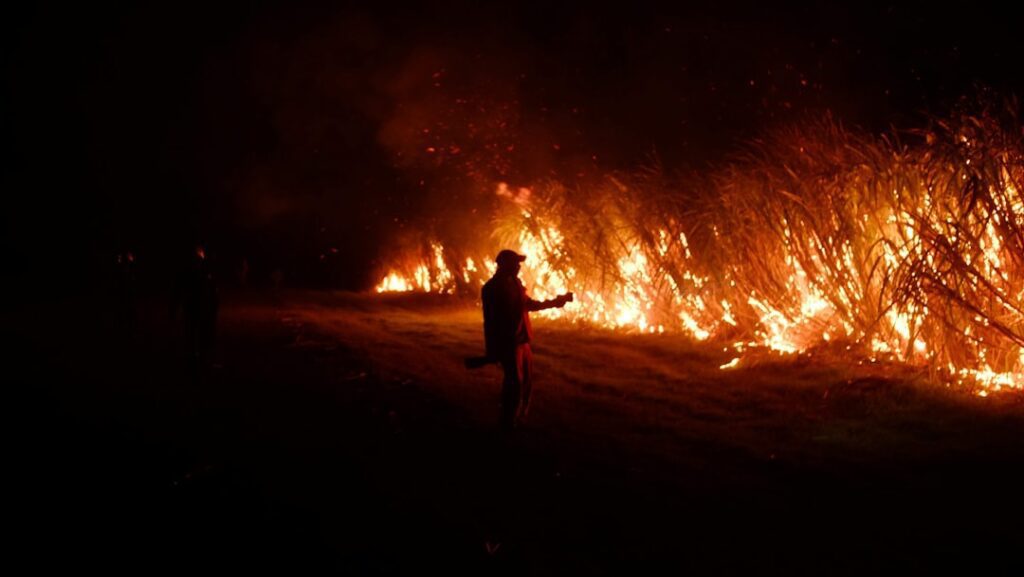
Photo by Patrick Konior on Unsplash
The Beginning of a New Era
When we look at the early church, as depicted in the book of Acts, it feels like a nuclear bomb went off in history. This explosion of spiritual power began with the death of Jesus Christ. In that moment, darkness covered the earth. The veil was torn, and the Holy of Holies was opened for all. This was the beginning of something new.
Fifty days later, on the day of Pentecost, the Holy Spirit came in a mighty way. This was not just an event; it was the ignition of a movement that would change everything. The book of Acts is a record of this movement, a rolling out of divine power that continues to influence the world today. It’s a thrilling narrative that prompts us to ask: is this just a historical account, or is it a blueprint for our lives today?

Photo by Edwin Andrade on Unsplash
Is the Book of Acts Normative?
As we read through Acts, we encounter miraculous events, bold proclamations, and the radical transformation of lives. But we must ask ourselves: is this normative? Is this the standard that we should aspire to in our Christian walk? I wholeheartedly believe it is. The book of Acts is not just a history lesson; it is a guide for what normal Christianity looks like.
If we are not experiencing the power and presence of God as described in Acts, we are being robbed of our inheritance. God desires to restore this experience in our lives today. The early church was a community on fire, and we are called to be the same.
Photo by Debby Hudson on Unsplash
A World on Fire
The early church ignited a fire that burned through the oppressive structures of their time. They faced persecution because they carried a message that threatened the status quo. Their presence was like a match to the dry wood of a wicked world, and it was no wonder they faced hostility. This was a world built on evil, power, and oppression, and the gospel was dismantling it.
In Luke 12:49, Jesus says, “I came to kindle fire on the earth, and how I wish it were already kindled!” This fire represents the reign of God breaking into our world. It signifies the destruction of sin, death, and the enemy’s hold over humanity. The fire of the Holy Spirit is meant to burn away the old and usher in the new.

Photo by Joshua Newton on Unsplash
Understanding the Elements of Fire
We read in 2 Peter 3:10 about the day of the Lord coming as a thief in the night, where the heavens will pass away with a great noise, and the elements will melt with fervent heat. This imagery paints a vivid picture of destruction and renewal. The elements melting away signifies not just the physical world but also the spiritual structures that have held people captive.
Interestingly, the word used for “elements” is stoicheia, which can refer to both natural substances and supernatural powers. This suggests that the world is not just made up of physical matter but also spiritual principalities and powers. The early church confronted these powers head-on, and through the Holy Spirit, they were dismantling the very fabric of evil that had held humanity in bondage.

Photo by Ashley Batz on Unsplash
How Do We Set the World on Fire?
If the book of Acts serves as our guide, one of the first principles we can glean from it is the power of prayer. The early church was a praying church. Look at the story of Saul of Tarsus, who was once a fierce persecutor of Christians. His conversion on the road to Damascus was not just a sovereign act of God; it was a response to the prayers of the church.
When we pray, we are engaging in a divine dialogue that can change the course of history. The church prayed continually for Peter while he was imprisoned, and God sent an angel to free him. This shows us the importance of persistent prayer and its power to effect change in our world.

Photo by Pedro Lima on Unsplash
Understanding the Power of Prayer
Prayer should never be reduced to a mere duty; it is an encounter with the living God. When we meet with Him, we cannot remain the same. The light of His presence transforms us and empowers us to impact the world around us.
In Acts, we see that the early believers were deeply committed to prayer. They recognized it was essential for their survival and ministry. When we pray, we align ourselves with God’s will and invite His power to work through us.
Photo by shraga kopstein on Unsplash
Unity in the Body of Christ
Another principle we see in the book of Acts is the importance of unity among believers. The early church operated in harmony, and every member of the body played a crucial role. When each person fulfills their calling, the body grows and thrives.
However, we often fall into the trap of comparing our callings to others. Paul reminds us in Ephesians 4 that every part of the body is essential. When we embrace our unique gifts and work together, we can set the world on fire with the love and truth of Jesus.
Photo by William White on Unsplash
Grace as a Transformative Power
Grace is another critical element in our journey as believers. Ephesians 2:8 tells us that we are saved by grace through faith. This grace is not just a one-time event; it’s a continual process that transforms us into the image of Christ. It empowers us to live righteously and to carry out the good works God has prepared for us.
When we understand grace as a transformative power, we recognize that we cannot earn our way to God. It is through the blood of Jesus that we are reconciled to the Father. This understanding frees us from the bondage of sin and allows us to walk in the fullness of life that Christ offers.

Photo by Guillermo Diaz on Unsplash
Contending for Our Inheritance
As we navigate our spiritual journeys, we must contend for our inheritance in Christ. This involves recognizing when we are being robbed of our peace, joy, and purpose. When we stray from the presence of God, we miss out on the fullness of life He intends for us.
Jesus came to give us life more abundantly, and that life is found in His presence. Psalm 16:11 reminds us that in His presence is fullness of joy. If we find ourselves lacking joy, we must return to the source and seek His face.

Photo by Lesly Juarez on Unsplash
Conclusion: A Call to Action
In conclusion, we are called to be a people who set the world on fire. Through prayer, unity, grace, and a deep relationship with God, we can be agents of change in a world that desperately needs hope. The early church serves as our example, and we have the same Spirit at work within us.
Let us commit to living out these principles in our lives and communities. Together, we can watch as the fire of God spreads, transforming hearts and lives for His glory. Amen.