Unlocking the Kingdom: Transform Your Faith Today
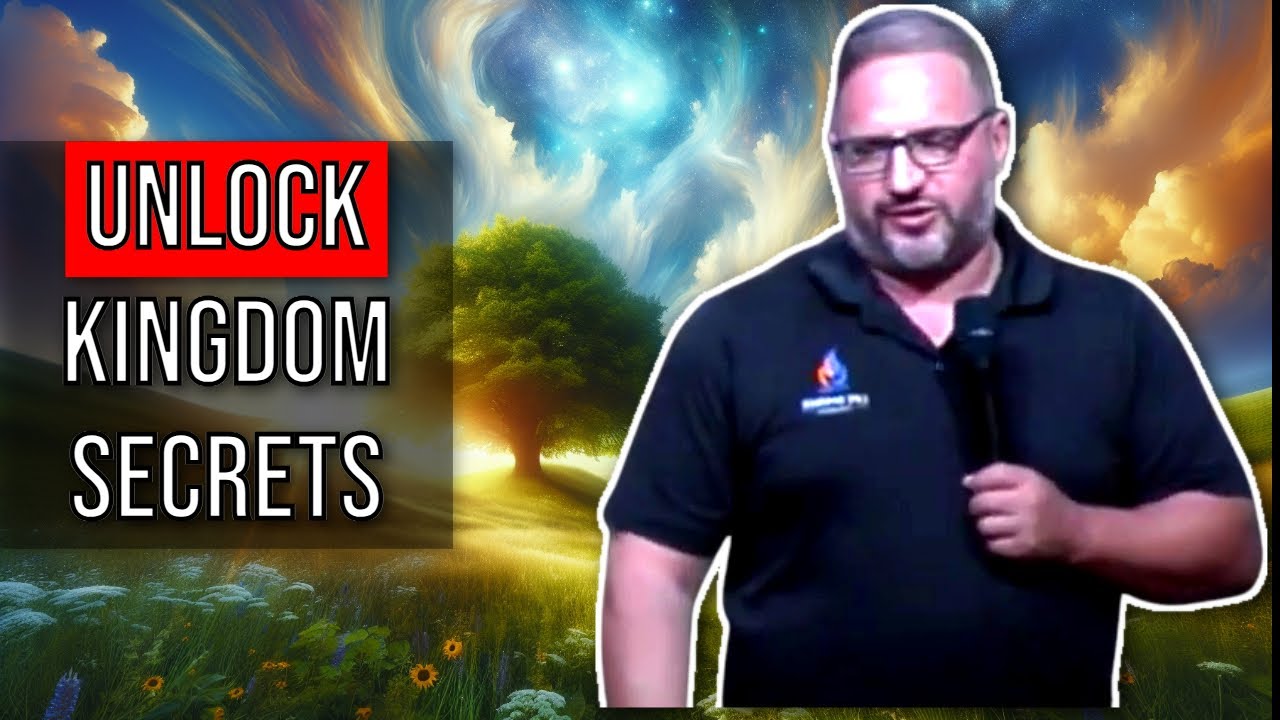
In this enlightening message, Pastor Bill Brannan delves into the profound nature of God’s Kingdom and its transformative power in our lives. This exploration reveals that the Kingdom of God is not merely a future promise, but a present reality that can reshape our faith and how we live each day.
Pursuing the Kingdom of God
Pursuing the Kingdom of God is about more than just seeking a place; it involves actively engaging with God’s presence and His will in our lives. It requires an intentional effort to align ourselves with His purposes and to seek His righteousness. This pursuit transforms our daily existence as we learn to live under the reign of a loving King.

Photo by Sincerely Media on Unsplash
Understanding the Pursuit
The act of pursuing the Kingdom involves a commitment to grow in our relationship with God. This means immersing ourselves in His Word, prayer, and community. It’s about cultivating a heart that longs for His Kingdom to manifest in every aspect of our lives.

Photo by Ioann-Mark Kuznietsov on Unsplash
Practical Steps to Pursue the Kingdom
- Prayer: Regularly communicate with God, seeking His guidance and wisdom.
- Study Scripture: Engage deeply with the Bible to understand God’s will and character.
- Community: Surround yourself with fellow believers who encourage and support your faith journey.
- Service: Actively serve others, reflecting the love of Christ in tangible ways.
- Worship: Make worship a priority, acknowledging God’s greatness and sovereignty.
The Gospel of the Kingdom
The Gospel of the Kingdom is a transformative message that goes beyond personal salvation. It invites us into a new way of living, where the values of God’s Kingdom shape our actions and interactions.

Photo by Antonino Visalli on Unsplash
The Message of Transformation
This Gospel proclaims that through Christ, we are called to be agents of change in the world. The transformation it offers is holistic, impacting not just our spiritual lives but also our social, emotional, and cultural dimensions.

Photo by Helena Lopes on Unsplash
Divine Escape Theology
Divine Escape Theology often presents a narrow view of the Gospel, focusing solely on personal salvation and the afterlife. While these elements are important, they can lead to a disengagement from the realities of life on Earth.

Photo by Pedro Lastra on Unsplash
Challenges of Divine Escape Theology
- Isolation: This perspective can foster a sense of detachment from societal issues.
- Complacency: Believers may become passive, waiting for Christ’s return instead of actively pursuing His mission.
- Misunderstanding of the Kingdom: It can obscure the rich, present reality of God’s Kingdom here and now.
The Kingdom of God as a Good King
Understanding God as a good King is crucial to grasping the nature of His Kingdom. His leadership is characterized by justice, mercy, and love. This perspective shapes how we interact with Him and with others.

Photo by Megan Watson on Unsplash
The Nature of His Rule
In God’s Kingdom, the emphasis is on serving others and uplifting the marginalized. His laws are not burdensome but are meant to guide us into flourishing lives where love reigns supreme.

The Kingdom of God is at Hand
The proclamation that the Kingdom of God is at hand signifies its immediacy and accessibility. It invites us to experience God’s rule and reign in our lives today, not just in a distant future.

Photo by Lina Trochez on Unsplash
Living in the Present Reality
This truth encourages us to embrace our role in advancing the Kingdom here and now. It challenges us to be active participants in God’s work, reflecting His love and grace in our communities.

Photo by Edwin Andrade on Unsplash
The Kingdom of God Here and Now
The Kingdom of God is not merely a future hope, but a present reality that we can experience today. It invites us to engage with God’s purposes in our daily lives.

Photo by Łukasz Nieścioruk on Unsplash
Experiencing the Kingdom
We experience the Kingdom through acts of kindness, justice, and love. Every time we choose to reflect God’s character, we contribute to the manifestation of His Kingdom on Earth.

Photo by Nathan Anderson on Unsplash
Transformation in the Kingdom of God
Transformation in the Kingdom of God is about radical change. It’s not just about individual salvation; it’s about the renewal of communities and societies.

Photo by Suzanne D. Williams on Unsplash
Elements of Transformation
- Personal Renewal: Individuals are transformed from the inside out.
- Community Impact: As individuals change, communities reflect God’s love and justice.
- Global Influence: The Kingdom’s reach extends beyond local boundaries, impacting nations and cultures.
The Power of the Kingdom
The Kingdom of God is powerful. It has the ability to heal, restore, and bring hope to the hopeless. This power is available to all who believe and pursue His ways.

Photo by Mike Labrum on Unsplash
Accessing the Kingdom’s Power
To experience the power of the Kingdom, we must remain connected to the King. Through prayer, faith, and obedience, we tap into the resources of Heaven to see God’s will done on Earth.

Photo by imam hassan on Unsplash
The Kingdom is Within You
Jesus taught that the Kingdom of God is within us. This profound truth means that we carry the essence of God’s Kingdom wherever we go, impacting our surroundings through our actions and attitudes.

Photo by Shaira Dela Peña on Unsplash
Living from Within
When we recognize that the Kingdom is within us, we begin to see our lives as vessels of God’s grace. Our thoughts, words, and deeds can reflect His Kingdom, bringing light into dark places.

Photo by Reinhart Julian on Unsplash
The Kingdom Has Come
The Kingdom of God has arrived through the reign of Jesus Christ. His resurrection marked the beginning of a new era where His authority is established. This Kingdom is not distant; it is a present reality that we can experience today.

Photo by Church of the King on Unsplash
Recognizing the Kingdom
To recognize the Kingdom, we must understand that it operates on different principles than the world. It is characterized by love, justice, and righteousness. By embracing these values, we can participate in the Kingdom’s work on Earth.

Photo by Brooke Cagle on Unsplash
The Kingdom of God Suffers Violence
Matthew 11:12 states that the Kingdom of God suffers violence, and the violent take it by force. This verse highlights the urgency and determination required to pursue the Kingdom amidst opposition.

Photo by Shalom de León on Unsplash
Breaking Forth in Pursuit
This passage invites us to actively seek the Kingdom. It suggests that those who desire to enter must be willing to confront challenges and push through barriers. The Kingdom is not passively received; it is actively pursued.

Photo by Annie Spratt on Unsplash
The Kingdom in Biblical Narratives
The Bible is replete with narratives that illustrate the Kingdom of God. From the stories of the prophets to the parables of Jesus, we see the unfolding of God’s plan to redeem and restore creation.

Photo by Ryan Riggins on Unsplash
Examples of Kingdom Principles
- The Prodigal Son: A story of redemption and grace, illustrating God’s love for the lost.
- The Good Samaritan: A parable that emphasizes love and compassion across cultural boundaries.
- The Beatitudes: Teachings that reveal the values of the Kingdom, highlighting humility and mercy.

Photo by Ivana Cajina on Unsplash
The Kingdom of God Breaking Forth
The Kingdom of God is breaking forth in our lives and communities. This manifestation occurs when we embody the values of the Kingdom and share them with others.

Photo by Andrea Cau on Unsplash
Signs of the Kingdom’s Presence
- Healing: Physical and emotional healing as a reflection of God’s compassion.
- Justice: Advocacy for the marginalized and oppressed.
- Unity: Building bridges between different cultures and backgrounds.

Photo by Vonecia Carswell on Unsplash
Understanding the Anti-Kingdom
The Anti-Kingdom represents the forces that oppose God’s reign. It manifests through manipulation, deceit, and oppression, seeking to keep people in bondage.

Identifying Anti-Kingdom Characteristics
- Manipulation: Using tactics to control or deceive others.
- Fear: Instilling fear to maintain power over individuals.
- Division: Creating discord among people to weaken community bonds.

Photo by Scott Graham on Unsplash
The Anti-Manipulation World
In contrast to the Anti-Kingdom, the Kingdom of God promotes authenticity and transparency. We are called to reject manipulation and embrace truth in our interactions.

Photo by Cytonn Photography on Unsplash
Pursuing Authentic Relationships
Building genuine relationships is essential to advancing the Kingdom. When we communicate openly and honestly, we reflect the character of God and foster a supportive community.

Photo by Priscilla Du Preez ???????? on Unsplash
Pursuing the Kingdom for Yourself
Each of us is invited to pursue the Kingdom personally. This journey involves seeking God’s presence and aligning our lives with His will.

Photo by Johannes Plenio on Unsplash
Steps to Pursue the Kingdom
- Prayer: Engage in regular communication with God, seeking His guidance.
- Study: Delve deep into Scripture to understand God’s nature and His Kingdom.
- Community: Connect with others who are also pursuing the Kingdom.

Photo by Annie Spratt on Unsplash
Closing Prayer
As we reflect on the Kingdom of God, let us pray for the courage to pursue His reign in our lives. May we be vessels of His love and grace, bringing transformation to our communities.

Photo by Milada Vigerova on Unsplash
Lord, we thank You for the gift of Your Kingdom. Help us to seek it earnestly and to reflect Your character in all we do. May Your rivers of living water flow through us, bringing healing and hope to those around us. Amen.

Photo by Marcus Dall Col on Unsplash
Pursuing the Kingdom of God
(Preaching Outline)
1) Matthew 4:23 (NKJV) — 23 And Jesus went about all Galilee, teaching in their synagogues, preaching the gospel of the kingdom, and healing all kinds of sickness and all kinds of disease among the people.
a) The importance of understanding the Kingdom of God!
b) A simple explanation of the kingdom.
c) The kingdom – power and understanding. Why so much teaching – seeing.
d) Mark 1:14–15 (NKJV) — 14 Now after John was put in prison, Jesus came to Galilee, preaching the gospel of the kingdom of God, 15 and saying, “The time is fulfilled, and the kingdom of God is at hand. Repent, and believe in the gospel.”
i) One of the most important questions you need to decide is when the kingdom of God begins on earth.
ii) If you believe it is a present reality, where is it?
e) Luke 17:20–21 (NKJV) — 20 Now when He was asked by the Pharisees when the kingdom of God would come, He answered them and said, “The kingdom of God does not come with observation; 21 nor will they say, ‘See here!’ or ‘See there!’ For indeed, the kingdom of God is within you.” – Do vs. Be/
2) Matthew 11:12 (NKJV) — 12 And from the days of John the Baptist until now the kingdom of heaven suffers violence, and the violent take it by force.
a) “From the days of John the Baptist until now, the kingdom of heaven breaks forth and those breaking forth are pursuing [seeking] it” (Matt 11: 12). This translation brings out the meaning of the Greek text.[1]
b) The gentiles turning to Christ and Western Civilization.
3) A picture of the Kingdom of God in John 7
a) John 7:12–13 (NKJV) — 12 And there was much complaining among the people concerning Him. Some said, “He is good”; others said, “No, on the contrary, He deceives the people.” 13 However, no one spoke openly of Him for fear of the Jews.
b) John 7:40–44 (NKJV) — 40 Therefore many from the crowd, when they heard this saying, said, “Truly this is the Prophet.” 41 Others said, “This is the Christ.” But some said, “Will the Christ come out of Galilee? 42 Has not the Scripture said that the Christ comes from the seed of David and from the town of Bethlehem, where David was?” 43 So there was a division among the people because of Him. 44 Now some of them wanted to take Him, but no one laid hands on Him.
c) (The anti-kingdom Jesus was setting people free from) Matthew 23:27 (NKJV) — 27 “Woe to you, scribes and Pharisees, hypocrites! For you are like whitewashed tombs which indeed appear beautiful outwardly, but inside are full of dead men’s bones and all uncleanness.
4) Another example of the Kingdom
a) Matthew 20:25–28 (NKJV) — 25 But Jesus called them to Himself and said, “You know that the rulers of the Gentiles lord it over them, and those who are great exercise authority over them. 26 Yet it shall not be so among you; but whoever desires to become great among you, let him be your servant. 27 And whoever desires to be first among you, let him be your slave—28 just as the Son of Man did not come to be served, but to serve, and to give His life a ransom for many.”
5) Our expectation of the kingdom of God
a) Matthew 13:31–33 (NKJV) — 31 Another parable He put forth to them, saying: “The kingdom of heaven is like a mustard seed, which a man took and sowed in his field, 32 which indeed is the least of all the seeds; but when it is grown it is greater than the herbs and becomes a tree, so that the birds of the air come and nest in its branches.” 33 Another parable He spoke to them: “The kingdom of heaven is like leaven, which a woman took and hid in three measures of meal till it was all leavened.”
6) Why these things matter to us today.
[1] Young, Brad H.. Jesus the Jewish Theologian (Kindle Locations 1203-1204). Baker Publishing Group. Kindle Edition.