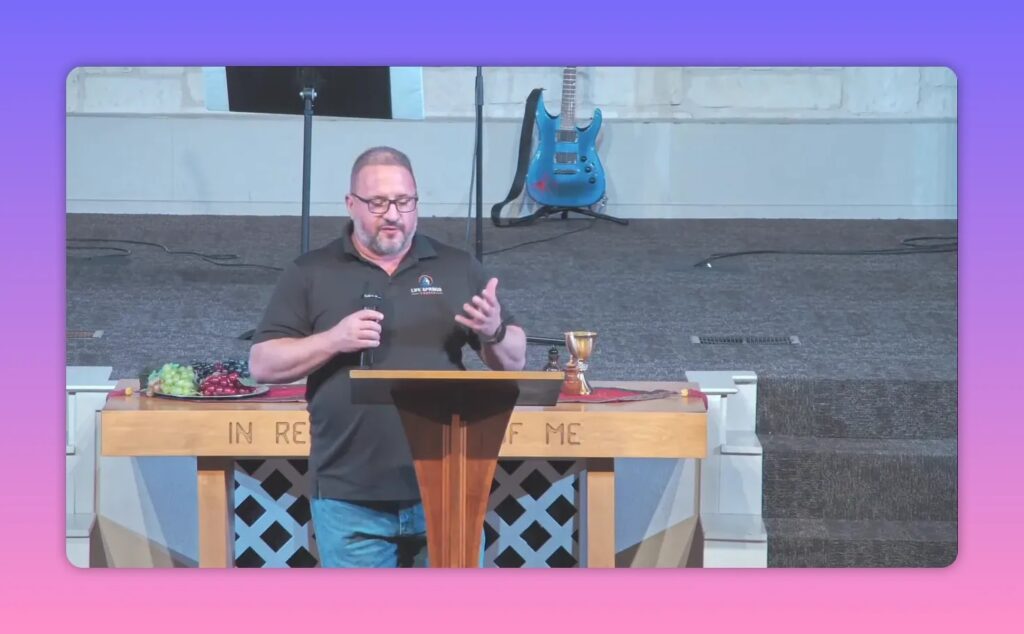

The church is meant to be a household, a family that models heaven on earth. When it becomes a lifeless institution driven by hierarchy, programs and performance, it loses the very thing that makes it alive: authentic relationship with God and with one another. Rooted in the vision of Ephesians, the relational church is an organic community that reflects the triune life of God, tears down walls of division and invites people into real fellowship, joy and mission.
What an organic relational church looks like
An organic church grows out of encounter with Jesus rather than being assembled by human systems. It is not a theater with a script. Instead it is a gathered community sustained by divine life, where people know one another, share spiritual life and express the presence of God together.
“Organic church life is not a theater with a script. It is a gathered community that lives by divine life.”
The difference matters because structure shapes behavior. When the church is primarily institutional it tends to mirror corporate models: policies, programs and a focus on efficiency. When the church is organic it prioritizes relationship, mutual formation and the kind of vulnerability that produces real transformation.
Breaking down walls: Ephesians and reconciliation
Ephesians 2 presents one of the clearest blueprints for how God reconfigures human life. The cross removes the dividing walls that kept people apart. Historically that division was Jew and Gentile, but the principle applies across every boundary that separates us: ethnicity, class, political identity and ideology.
Two linked realities are central here. First, the old barrier was not merely social, it was religious: the ordinances and customs that preserved separation. Second, the cross opened access to God himself. When the way into the Holy of Holies is made available by Christ, every exclusion that depends on those barriers loses its ultimate power. The result is one new humanity.
Why this matters now
We live in a time when families and communities fracture over politics and identity. If the household of God is to be a working model of new creation, then it must welcome the full range of human difference. That welcome is not compromise; it is a faithful reflection of the God who intends every tongue, tribe and nation to be included.
The church as holy temple: heaven and earth together
Scripture uses temple language to describe the church corporately. The tabernacle, the temple and the imagery of Eden all point to a single reality: a place where God’s presence meets human life. The ultimate vision is a redeemed creation that becomes a dwelling place for God, where fellowship and communion are normal.
That shifts the church’s purpose from simply “getting people to heaven when they die” to participating in God’s kingdom here and now. The call becomes: let your kingdom come and your will be done on earth as it is in heaven. The gathered community is meant to be the first fruits of that new creation.
Love as the primary Christian witness
Jesus gave a simple, decisive test of authentic church life: love for one another. This is not sentimentalism. It is the visible sign of the reality of God at work among us. When the people of God demonstrate the kind of costly, cross-shaped love that reconciles and includes, the world sees that God has indeed sent Jesus.
“A new commandment I give to you, that you love one another as I have loved you. By this all will know that you are my disciples.”
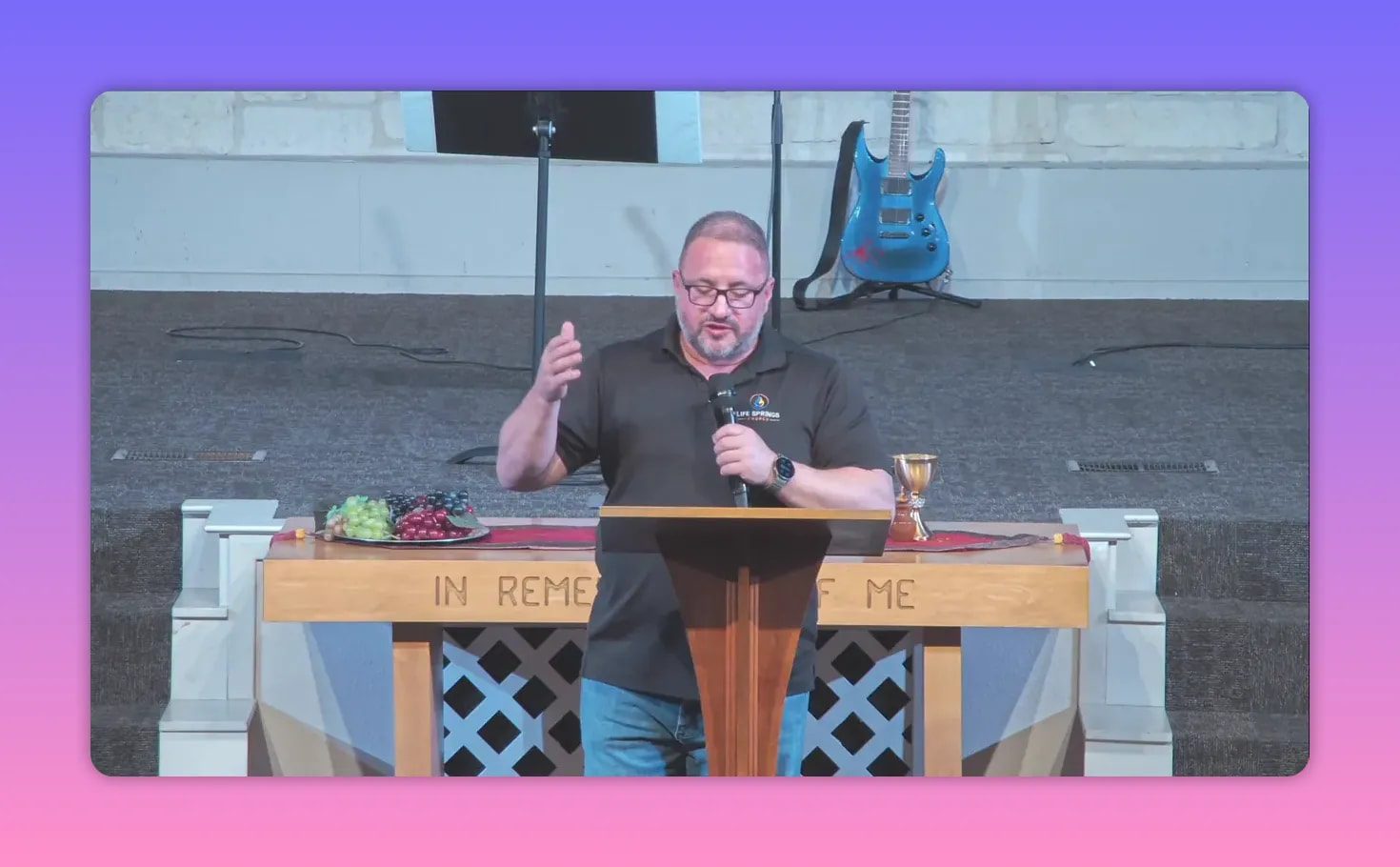
Loving one another does not mean ignoring differences. It means practicing humility, forgiveness and hospitality even toward those who are difficult to love. It also means making welcome a priority: all are welcome, every tongue, tribe and nation.
Practical ways to cultivate relational church
- Prioritize gathering as family over gatherings that only serve tasks. Make space for long conversations, shared meals and personal storytelling.
- Practice hospitality toward those who feel like outsiders. Invite people who would normally be excluded and create environments where they belong.
- Encourage vulnerability in safe settings. Small groups and one-on-one spiritual friendships create the space for walls to come down.
- Teach reconciliation as a spiritual discipline. Help people move beyond tribal loyalties toward the reconciling love of Christ.
- Measure success differently by relational health rather than programmatic growth alone.
Mary and Martha: connection over busywork
The story of Mary and Martha highlights the danger of activity without connection. Serving is good, but it can become a refuge for walls around the heart. The greater need is for presence at the feet of Jesus and for the vulnerability that fellowship requires.
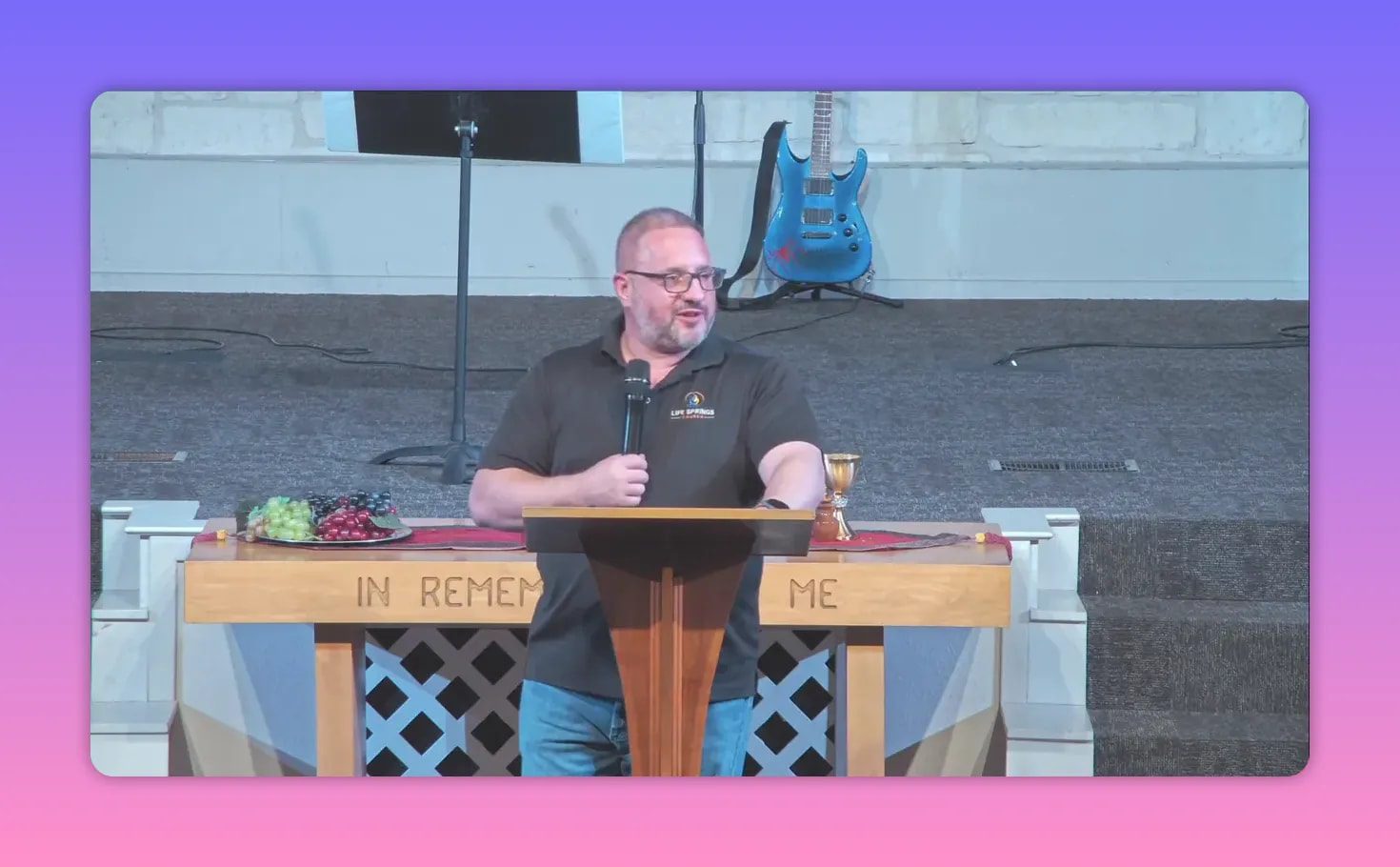
Letting walls come down means risking judgment, saying “I need you” and making room to be known. When that happens, serving flows out of love rather than obligation. The result is a church that is both active and deeply connected.
Final reflection
The cross has torn down every wall that separates us from God and from one another. The call now is to embody that reality in daily life: to be a community of welcome, a temple where heaven and earth meet, and a working model of the new creation. When the church becomes this kind of community, joy and witness follow naturally. The invitation is simple and urgent: let the walls fall and practice the kind of love that changes everything.